


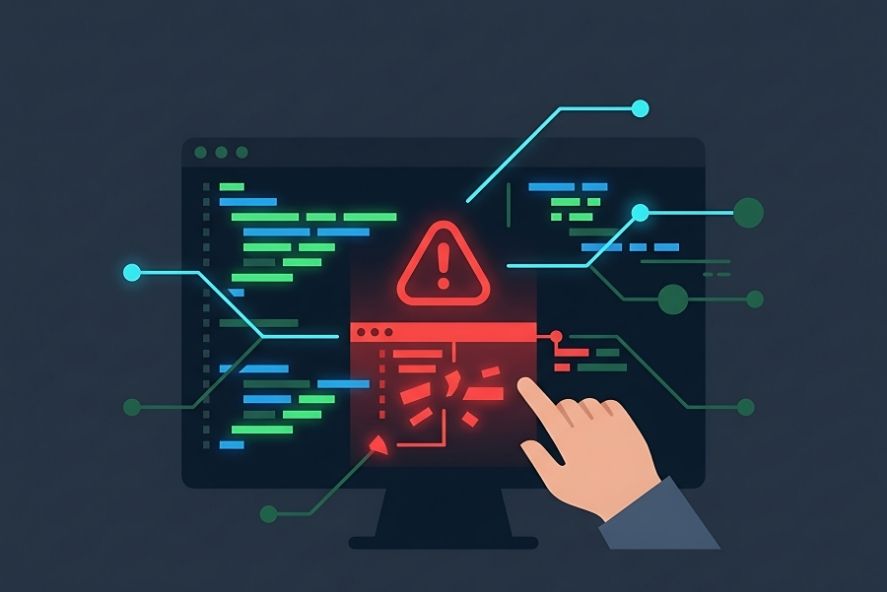
APIs have become essential to modern digital operations. They allow applications, cloud services, SaaS platforms and internal systems to exchange information quickly. However, not every API is always visible to the security team. Developers may create interfaces for testing, temporary integrations or internal projects without following established documentation and security processes. These hidden or unmanaged interfaces are often referred to as shadow APIs. As API usage grows, shadow API security is becoming an important concern for businesses that want better visibility and control across connected applications.
What are shadow APIs?
A shadow API is generally an API that exists outside an organisation’s approved inventory or governance process.
It may have been created for legitimate reasons but later forgotten, poorly documented or left exposed after the original project changed.
The risk comes from the lack of visibility and consistent security controls.
Why are shadow APIs a security problem?
Unknown attack surface
Security teams cannot easily protect an API they do not know exists.
A forgotten endpoint may continue accepting requests even after its business purpose has changed.
This can create an unnecessary entry point into an application or data environment.
Weak authentication
Shadow APIs may not follow the same authentication standards as approved interfaces.
Outdated credentials, weak tokens or missing access controls can increase exposure.
Excessive data access
An API may provide more data than a specific application requires.
If a shadow interface is compromised, attackers may gain access to information that should not have been exposed.
Data minimization and least-privilege access are therefore important.
Limited monitoring
Approved APIs are more likely to be covered by logging and security monitoring.
Shadow APIs may operate outside those processes, making suspicious activity harder to detect.
This creates a major challenge for shadow API security.
Why do shadow APIs appear?
Shadow APIs often emerge because development teams need speed.
A team may create a simple interface to connect two applications and intend to formalise it later.
The problem occurs when the temporary solution becomes permanent without entering the organisation’s API inventory or security process.
Mergers, legacy applications and rapid digital development can add further complexity.
How can businesses prevent shadow APIs?
Maintain a complete API inventory
The first step is visibility.
Businesses should maintain an inventory of active APIs, their owners, connected applications, data types and exposure levels.
Automated discovery tools can help identify interfaces that do not appear in existing records.
Establish clear API standards
Development teams should have straightforward requirements for authentication, authorisation, encryption, logging and documentation.
Clear standards make it easier to build secure APIs without creating unnecessary delays.
Monitor internet-facing assets
External-facing APIs deserve particular attention.
Regular scanning and monitoring can help identify unexpected endpoints, configuration changes and exposed services.
Security teams can investigate interfaces that are not aligned with approved architecture.
Use API gateways and access controls
Where appropriate, API gateways can provide centralized policy enforcement, authentication and traffic visibility.
Access controls can also limit who or what can communicate with specific services.
Include APIs in lifecycle management
An API should not remain active indefinitely.
Businesses can define processes for creating, reviewing, updating and retiring APIs. When an application is decommissioned, related interfaces should also be reviewed.
Building security into development
Developers should be involved in API security from the beginning.
Security testing, code reviews and automated checks can help identify issues before interfaces reach production.
This approach reduces the chance that security becomes an afterthought.
The Mainstream perspective
APIs are supporting increasingly connected digital ecosystems, but hidden interfaces can create security gaps. The Mainstream continues to cover application security, cybersecurity, cloud and digital transformation trends affecting modern technology environments.
Final Thought
Shadow API security starts with visibility. Businesses can reduce risk by maintaining accurate API inventories, applying common security standards, monitoring exposed interfaces and managing APIs throughout their lifecycle. As digital connectivity grows, controlling hidden interfaces will become an increasingly important part of application security.