


India’s media and entertainment Global Capability Centre (GCC) ecosystem is witnessing a broader geographic shift, with Uttar Pradesh, Gujarat and Andhra Pradesh emerging as strong contenders for investments that have traditionally been concentrated in Bengaluru, Hyderabad and Mumbai.
A recent industry report highlights India’s growing appeal as a destination for global media companies setting up capability centres to support content operations, platform engineering, advertising technology, gaming, localisation and AI-driven workflows. While Tier-I cities continue to lead the sector, several state governments are actively positioning themselves to attract future investments.
The move comes as global media, streaming, gaming and advertising firms seek access to new talent pools, lower operating costs and policy-driven incentives while expanding operations across content supply chains, platform development and monetisation functions.
Bengaluru remains a preferred GCC hub due to its strong technology ecosystem and expertise in AI, data science, engineering and product development. Hyderabad continues to attract platform engineering and large-scale media technology operations, while Mumbai benefits from its close connection to India’s content creation and advertising industries.
However, increasing operating costs and growing competition for talent in established hubs are encouraging companies to consider alternative locations. In response, Uttar Pradesh, Gujarat and Andhra Pradesh have introduced dedicated GCC policies to attract global investments.
Uttar Pradesh’s Global Capability Centers Policy 2024 offers cluster-based incentives through special economic zones and technology parks, along with land subsidies, stamp-duty exemptions and operational support.
Andhra Pradesh’s IT & GCC Policy 2024-2029 focuses on capital investment assistance, employment-linked incentives and infrastructure support, while also promoting plug-and-play digital infrastructure.
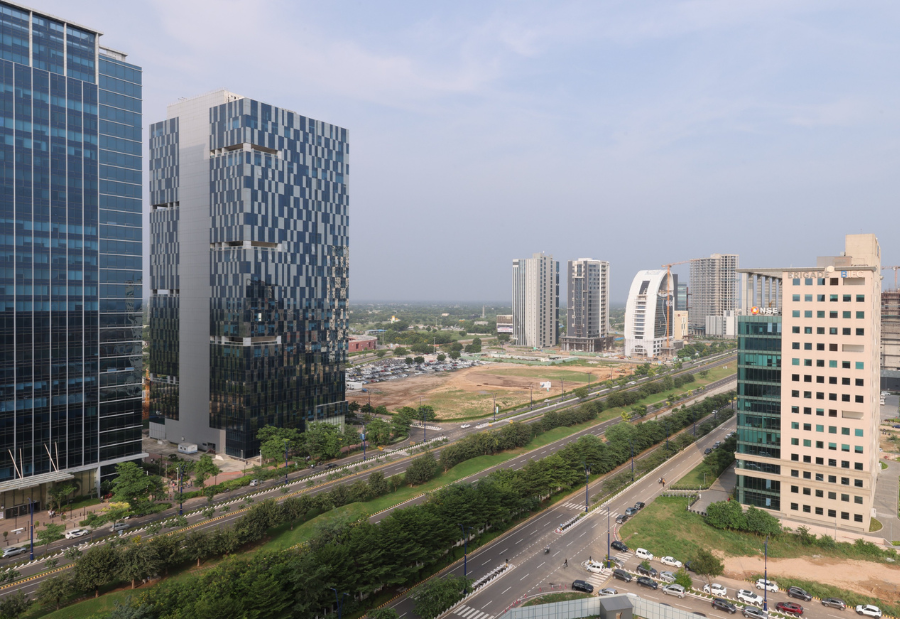
Gujarat’s GCC Policy 2025-30 aims to leverage the ecosystem around GIFT City, offering scale-linked capital and operational incentives with a focus on analytics, platform-led services and emerging digital businesses.
The opportunity is expanding as global advertising and media networks such as WPP, Omnicom, dentsu and Havas continue strengthening their India-based capability centres across AI-powered media planning, marketing technology, analytics, automation and performance marketing.
The report also notes that 83% of GCCs are investing in generative AI, while 58% are investing in agentic AI. Demand for specialised talent is rising, with AI-related roles accounting for 44% of jobs across India’s media and communication GCCs in 2025, compared to 21% a year earlier.
Industry leaders say GCCs are increasingly evolving from support centres into strategic hubs that build global platforms, workflows and AI-driven systems, creating new opportunities for emerging states aiming to become the next major destinations for media and entertainment GCC investments.
Also read: Viksit Workforce for a Viksit Bharat
Do Follow: The Mainstream LinkedIn | The Mainstream Facebook | The Mainstream Youtube | The Mainstream Twitter
About us:
The Mainstream is a premier platform delivering the latest updates and informed perspectives across the technology business and cyber landscape. Built on research-driven, thought leadership and original intellectual property, The Mainstream also curates summits & conferences that convene decision makers to explore how technology reshapes industries and leadership. With a growing presence in India and globally across the Middle East, Africa, ASEAN, the USA, the UK and Australia, The Mainstream carries a vision to bring the latest happenings and insights to 8.2 billion people and to place technology at the centre of conversation for leaders navigating the future.