


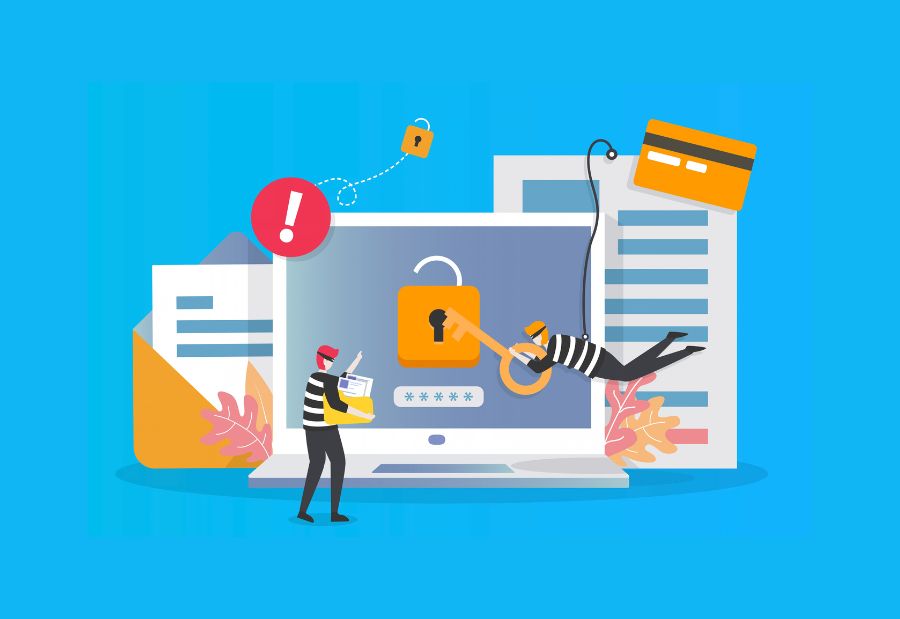
Cybercrime is no longer limited to highly technical attackers working independently. The growth of online criminal marketplaces has created a model where some cybercriminal capabilities can be obtained and used by other criminals.
This trend is commonly described as cybercrime-as-a-service. It involves criminal services, tools or infrastructure being made available to people who may not have the technical expertise to build them independently.
For businesses, the trend highlights how the cyber threat environment is becoming more accessible and organised.
What does cybercrime-as-a-service mean?
The concept works in a similar way to legitimate online services, but for criminal purposes.
Specialized groups may provide malware, phishing kits, stolen credentials, botnets or other tools to customers. In some cases, criminals can purchase access to infrastructure or services instead of developing their own capabilities.
This lowers the technical barrier for people seeking to launch attacks.
Why is this a business concern?
Businesses already manage phishing, ransomware, account compromise and other cyber risks. Cybercrime-as-a-service can increase the scale and variety of these threats by making attack capabilities more accessible.
An organization may face attacks from different groups using similar tools or infrastructure.
This creates a challenge for security teams because the threat does not always depend on one highly skilled attacker.
Common services associated with the model
Several types of criminal services can appear in this ecosystem.
Malware services can provide malicious software or delivery infrastructure.
Credential-related services may involve stolen usernames, passwords or access to compromised accounts.
Phishing services can provide templates, hosting or automation designed to trick users into sharing sensitive information.
Ransomware operations may involve criminal groups providing tools, infrastructure or support to affiliates.
The exact structure can vary, but the underlying idea is the same: specialized capabilities are offered to other attackers.
Why businesses need better identity controls
One of the important lessons from this trend is the value of identity security.
Compromised credentials can provide attackers with access to cloud applications, SaaS platforms, enterprise systems or internal resources.
Businesses should therefore strengthen multi-factor authentication, monitor privileged access and regularly review inactive or unnecessary accounts.
Visibility matters
Security teams also need visibility across endpoints, cloud platforms, identities, applications and networks.
When monitoring is fragmented, suspicious activity can be difficult to connect across different systems.
Centralized visibility and security monitoring can help teams identify patterns and investigate incidents more effectively.
Employee awareness still matters
Technology controls are important, but employees remain part of the security environment.
Phishing campaigns and social engineering can target employees across different communication channels.
Regular security awareness training can help employees recognize suspicious messages, unusual login requests and unsafe links.
Preparing for a more accessible threat environment
The growth of cybercrime-as-a-service means enterprises should not assume that an attack requires highly sophisticated technical skills.
Security strategies should focus on reducing opportunities for compromise, limiting the impact of stolen credentials and identifying unusual activity quickly.
Organisations can also use threat intelligence to understand emerging attack methods and update security controls accordingly.
Business continuity is important.
Prevention is only one part of the response.
Businesses should also maintain tested backup processes, incident response plans and recovery procedures. These capabilities can reduce disruption when preventive controls fail.
The Mainstream perspective
Cybercrime continues to evolve alongside digital business growth. The Mainstream tracks cybersecurity, cyber threats and technology leadership developments to help enterprise audiences understand the changing risk environment.
Final thought
Cybercrime-as-a-service shows how cyberattack capabilities can become easier for criminals to access. Businesses can respond by strengthening identity protection, improving visibility, training employees and preparing for incidents. A layered approach can help organisations manage a threat environment that continues to change.