


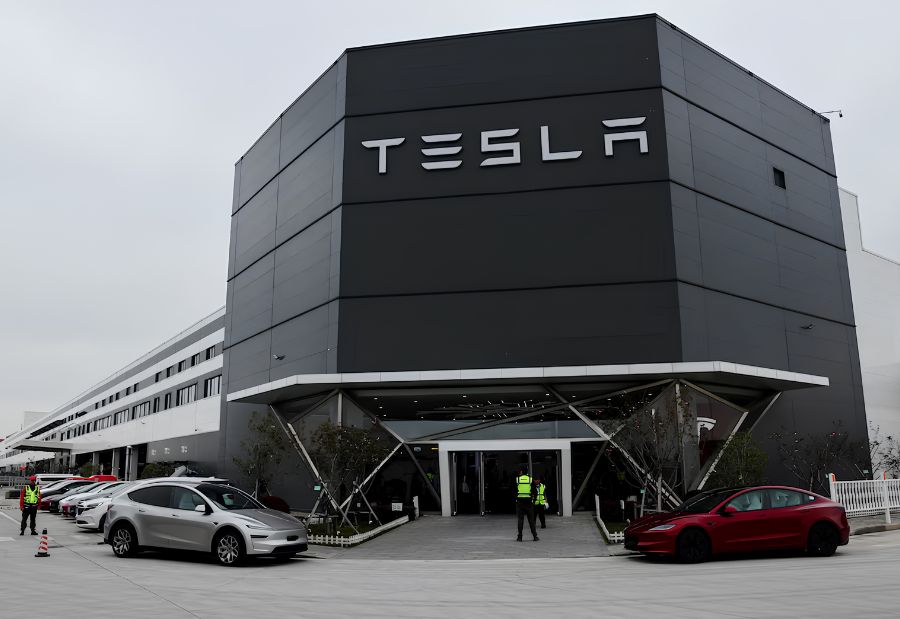
A potential merger between Tesla and SpaceX could become more complex if Elon Musk decides to separate Tesla’s China business. While no such move has been confirmed, analysts believe any restructuring would face significant regulatory, operational, and governance challenges.
Possible options include spinning off Tesla’s China unit, selling the business, or licensing its brand and technology to a third party. However, each option raises questions around intellectual property, technology sharing, and the role of the Chinese government.
Speculation about a merger between the 2 companies, each valued at more than $1 tn, has grown in recent months, particularly during SpaceX’s $75 bn initial public offering process in June. Elon Musk also highlighted increasing overlap between the businesses during Tesla’s earnings call last month.
A recent media report claimed Tesla executives had been asked to prepare for a separation of the company’s China business ahead of a possible merger. Musk denied the report, saying such a move had “never even come up in a discussion.”
Analysts say Tesla’s large presence in China could create hurdles because SpaceX increasingly relies on sensitive U.S. government and defence contracts. According to its IPO filing, nearly 20% of SpaceX’s 2025 revenue came from U.S. federal agencies, making national security a key consideration for any merger.
Some analysts believe separating Tesla’s China operations could reduce regulatory scrutiny in both the U.S. and China. However, Tesla’s Shanghai Gigafactory, its largest manufacturing facility and a major export hub, remains central to the company’s global operations. The Chinese government has also previously provided Tesla with preferential treatment, including a reduced corporate tax rate between 2019 and 2023.
Experts believe any standalone China business would likely require approval from Chinese authorities and could involve greater government oversight.
Analysts also point to technical challenges, including separating software, artificial intelligence systems, intellectual property, supply chains, and data governance. Long-term licensing agreements could allow the new entity to continue using Tesla’s technology and brand, but this could create regulatory concerns, particularly around software updates for self-driving technology.
Despite these challenges, some investors believe separating the China business could support Musk’s long-term vision of focusing Tesla on robotics and autonomous driving. Others argue that China remains essential to Tesla’s manufacturing capacity and vehicle sales, making any separation a difficult strategic decision.
Also read: Viksit Workforce for a Viksit Bharat
Do Follow: The Mainstream LinkedIn | The Mainstream Facebook | The Mainstream Youtube | The Mainstream Twitter
About us:
The Mainstream is a premier platform delivering the latest updates and informed perspectives across the technology business and cyber landscape. Built on research-driven, thought leadership and original intellectual property, The Mainstream also curates summits & conferences that convene decision makers to explore how technology reshapes industries and leadership. With a growing presence in India and globally across the Middle East, Africa, ASEAN, the USA, the UK and Australia, The Mainstream carries a vision to bring the latest happenings and insights to 8.2 billion people and to place technology at the centre of conversation for leaders navigating the future.