


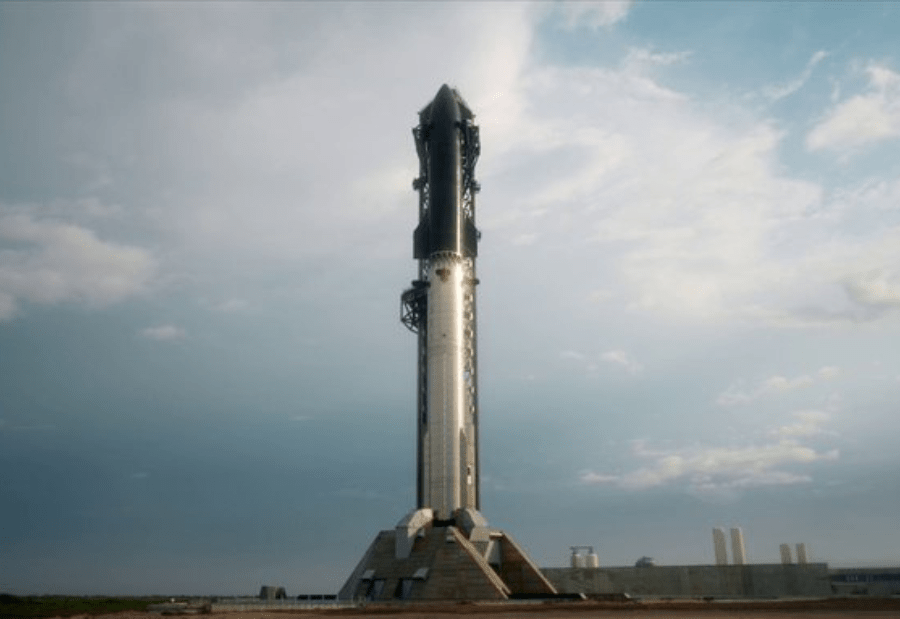
A technical issue during the final stages of the countdown forced SpaceX to postpone the highly anticipated 12th uncrewed test flight of Starship, including the debut of its next-generation Starship V3 vehicle.
The launch was scheduled for 6:30 pm CT on Thursday from SpaceX’s Starbase facility in South Texas. However, multiple delays during the countdown ultimately led to the mission being called off.
According to SpaceX CEO Elon Musk, the issue was caused by a hydraulic pin that failed to retract from the tower arm holding the rocket in place. “The hydraulic pin holding the tower arm in place did not retract. If that can be fixed tonight, there will be another launch attempt tomorrow at 5:30 CT,” Musk said.
He also noted that “Failure today will not affect the schedule by more than a month or so.”
Starship, consisting of the Starship spacecraft and Super Heavy booster, is designed as a fully reusable transportation system capable of carrying crew and cargo to Earth orbit, the Moon, Mars, and beyond. Standing more than 400 feet tall, it is considered the most powerful launch vehicle ever developed, with the capability to carry over 100 metric tonnes to orbit.
The V3 version introduces several upgrades aimed at improving reusability and supporting future lunar and Martian missions. It will also feature enhanced Raptor engines, which are expected to deliver greater thrust and improved overall performance.
During the mission, the Super Heavy booster’s 33 Raptor engines are expected to propel Starship to near-orbital speeds before separating and attempting a splashdown in the Gulf of Mexico. The spacecraft is planned to deploy 20 dummy Starlink satellites, release 2 test satellites for evaluating new Starlink hardware, and conduct heat shield inspections during flight.
All deployed satellites are expected to re-enter Earth’s atmosphere and burn up. Starship itself is scheduled to splash down in the Indian Ocean approximately 1 hour after liftoff.
The test flight comes after several challenges experienced by Starship Version 2 throughout 2025, including multiple failures and in-flight malfunctions. SpaceX aims to achieve full reusability of the system before the end of 2026.
Also read: Viksit Workforce for a Viksit Bharat
Do Follow: The Mainstream LinkedIn | The Mainstream Facebook | The Mainstream Youtube | The Mainstream Twitter
About us:
The Mainstream is a premier platform delivering the latest updates and informed perspectives across the technology business and cyber landscape. Built on research-driven, thought leadership and original intellectual property, The Mainstream also curates summits & conferences that convene decision makers to explore how technology reshapes industries and leadership. With a growing presence in India and globally across the Middle East, Africa, ASEAN, the USA, the UK and Australia, The Mainstream carries a vision to bring the latest happenings and insights to 8.2 billion people and to place technology at the centre of conversation for leaders navigating the future.