


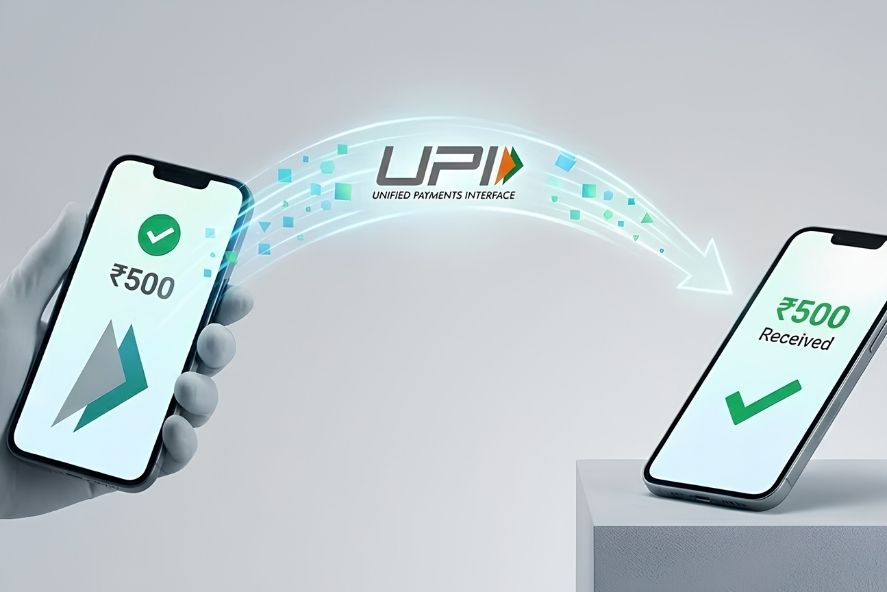
The National Payments Corporation of India (NPCI) is considering requests to postpone the implementation of Unified Payments Interface (UPI) Merchant Discount Rate (MDR) charges to January 2027, with discussions underway with the finance ministry.
Sources said NPCI has received requests from merchant bodies, fintech companies and payments firms seeking a delay, with less than a week remaining before the planned rollout. NPCI is expected to take a decision over the next 2 days.
The industry has raised concerns about uncertainty around different MDR rates, policies and their applicability across various types of transactions. The UPI Steering Committee had fixed an MDR of 0.4%, or 40 basis points, for transactions above Rs 2,000, with the charges scheduled to take effect from October 15, 2026.
MDR is a fee paid by merchants to banks for processing digital payments. At 0.4%, the charge would amount to Rs 8 on a Rs 2,000 transaction and Rs 40 on a payment of Rs 10,000.
One source said several payment industry bodies and merchants had asked NPCI to delay the rollout until the festive season ends. There are also concerns that the additional cost could affect businesses during the festive sales period, particularly as inflation continues to put pressure on consumers.
Another concern is the potential impact on consumer spending. Industry participants fear that higher payment costs could weaken sentiment and that some merchants may eventually pass the additional expense on to customers.
The MDR structure has also created questions around how different transactions should be classified. Unlike cards, which generally follow relatively uniform rates, UPI has different charges for categories such as utility payments, loan repayments and capital market transactions.
Capital market participants have raised concerns with the market regulator over MDR on payments made by customers to add money to their brokerage accounts. They argue that such transactions are similar to person-to-person transfers and that brokers should not bear MDR when they do not generate revenue from these payments.
Loan repayments have also emerged as an area of uncertainty. Under NPCI’s directive, loan payments made through autopay mandates attract a flat Rs 5 fee. However, failed auto-debits can result in customers making manual repayments later, which may be classified as financial institution payments and attract a 0.4% MDR.
Although NPCI has clarified that such payments should attract the Rs 5 flat fee, questions remain over how banks and payment aggregators should distinguish loan repayments from other financial services transactions.
The requests for a delay reflect broader industry concerns about classification, pricing and implementation. Stakeholders are seeking additional time to resolve these issues before the new MDR framework takes effect.
Also read: Viksit Workforce for a Viksit Bharat
Do Follow: The Mainstream LinkedIn | The Mainstream Facebook | The Mainstream Youtube | The Mainstream Twitter
About us:
The Mainstream is a premier platform delivering the latest updates and informed perspectives across the technology business and cyber landscape. Built on research-driven, thought leadership and original intellectual property, The Mainstream also curates summits & conferences that convene decision makers to explore how technology reshapes industries and leadership. With a growing presence in India and globally across the Middle East, Africa, ASEAN, the USA, the UK and Australia, The Mainstream carries a vision to bring the latest happenings and insights to 8.2 billion people and to place technology at the centre of conversation for leaders navigating the future.