


A Tokyo-based startup is taking a different approach to home robotics by building the machines directly into residential spaces instead of relying on mobile humanoid robots.
MW is developing homes with ceiling-mounted robotic arms designed to automate everyday household tasks. Its concept combines custom residential architecture, integrated hardware called the MW bot and MW Intelligence, a software operating system that controls the system.
The company is targeting a 2028 debut for its automated homes in Tokyo. CEO Shuzo Narita aims to scale production to 10,000 homes annually by 2035. Reaching that target would represent around 5% of Japan’s current new-home construction market.
“The first homes and software are complete, and we have already received over 1,000 applications and have begun sales. The first generation (Gen1) of the MW bot, a robot we have been developing alongside our architecture and software, is also complete,” Narita said in a blog post.
“The robot has been integrated into a trailer home, marking the first step in the fusion of architecture and AI robotics,” it added.
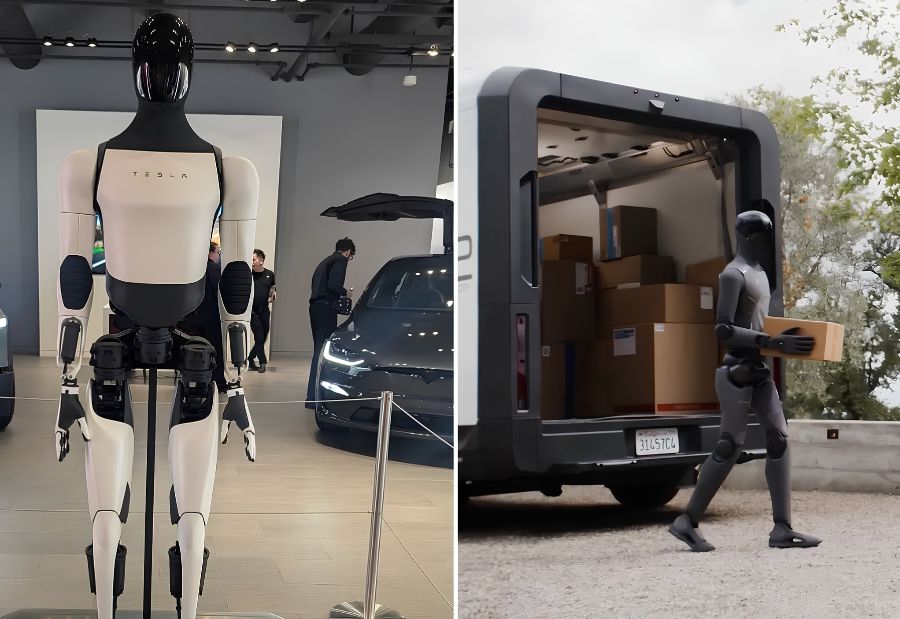
MW’s design is driven partly by the space and safety challenges of typical Japanese homes. Compact living spaces can make it difficult for bulky bipedal robots to move around furniture, pets and children. Humanoid robots also need significant computing power to balance and navigate unpredictable environments.
The startup instead uses 2 robotic arms with claw-like hands that move along overhead rails. The system is designed to handle tasks such as carrying groceries and folding laundry.
During a demonstration in Tokyo’s Toyosu waterfront district, the robot successfully sorted pantry items, including soy sauce, from products requiring refrigeration. It also picked up a hand towel from a dryer and folded it. However, it struggled to fold a T-shirt.
The company draws inspiration from Tony Stark’s fictional AI butler J.A.R.V.I.S. Its current business model focuses on high-end housing. MW has already sold a 3-story house in Meguro Ward and built additional retrofittable homes in Yokohama and Fukuoka. Prices range from ¥200 million to ¥400 million ($1.3M–$2.7M USD).
MW plans to sell its 1st fully functional robot-equipped home by 2028. The company handles the entire process, including land acquisition, architecture, construction, AI development and robot manufacturing.
The 2-year-old startup has raised ¥3 billion ($20 million) in seed capital and is targeting a ¥10 billion Series A.
“We have literally not yet achieved even 1 percent of what we want to do, but our initial vision is starting to take shape, little by little,” Narita wrote.
The company reportedly plans to expand internationally from 2029. Its next potential markets include larger residential projects in Futtsu and Karuizawa.
Also read: Viksit Workforce for a Viksit Bharat
Do Follow: The Mainstream LinkedIn | The Mainstream Facebook | The Mainstream Youtube | The Mainstream Twitter
About us:
The Mainstream is a premier platform delivering the latest updates and informed perspectives across the technology business and cyber landscape. Built on research-driven, thought leadership and original intellectual property, The Mainstream also curates summits & conferences that convene decision makers to explore how technology reshapes industries and leadership. With a growing presence in India and globally across the Middle East, Africa, ASEAN, the USA, the UK and Australia, The Mainstream carries a vision to bring the latest happenings and insights to 8.2 billion people and to place technology at the centre of conversation for leaders navigating the future.