


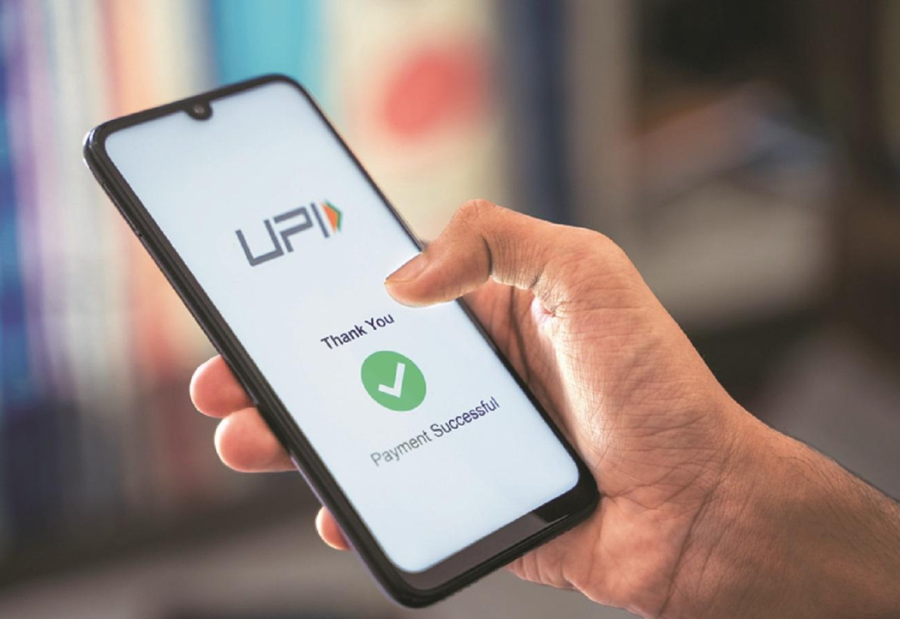
India’s digital payments ecosystem may soon enter a new phase, with the National Payments Corporation of India (NPCI) working towards enabling UPI transactions without requiring an active internet connection.
The proposed capability is expected to allow users to make payments even in areas with poor network coverage, addressing one of the key challenges that still limits the reach of digital payments across the country.
Since its launch in 2016, the Unified Payments Interface (UPI) has transformed the way Indians transact, becoming one of the world’s largest real-time payment systems. However, despite its rapid growth, internet dependency has remained a significant hurdle, particularly in rural regions, remote locations, underground transit systems and during network disruptions.
The new offline payment functionality is expected to build upon existing initiatives such as UPI Lite and UPI 123Pay, both of which were introduced to expand digital payment accessibility. By reducing dependence on continuous connectivity, the latest move could further extend the benefits of digital transactions to millions of users who face intermittent network access.
Industry experts believe the feature could play a pivotal role in deepening financial inclusion. India has made remarkable progress in digital payments adoption, but uneven internet penetration continues to create gaps in accessibility. Enabling offline transactions could help bridge this divide and ensure that digital payments remain available regardless of location or connectivity conditions.
Beyond inclusion, the initiative also has implications for the resilience of India’s payments infrastructure. Recent instances of network slowdowns and service interruptions have highlighted the need for systems that can continue functioning even when internet services are disrupted. Offline UPI capabilities could therefore serve as an important backup mechanism, ensuring continuity in day-to-day transactions.
Security and risk management are expected to remain central to the rollout. Experts anticipate that offline transactions may initially be subject to value limits and additional safeguards to prevent misuse and maintain trust in the ecosystem.
The move reflects India’s broader ambition of creating a more inclusive and robust digital economy, where access to payments is not determined by the availability of mobile data or internet connectivity.
If implemented successfully, internet-free UPI payments could mark another milestone in India’s digital public infrastructure journey, making digital transactions as convenient and universally accessible as cash.
Also read: Viksit Workforce for a Viksit Bharat
Do Follow: The Mainstream LinkedIn | The Mainstream Facebook | The Mainstream Youtube | The Mainstream Twitter
About us:
The Mainstream is a premier platform delivering the latest updates and informed perspectives across the technology business and cyber landscape. Built on research-driven, thought leadership and original intellectual property, The Mainstream also curates summits & conferences that convene decision makers to explore how technology reshapes industries and leadership. With a growing presence in India and globally across the Middle East, Africa, ASEAN, the USA, the UK and Australia, The Mainstream carries a vision to bring the latest happenings and insights to 8.2 billion people and to place technology at the centre of conversation for leaders navigating the future.