


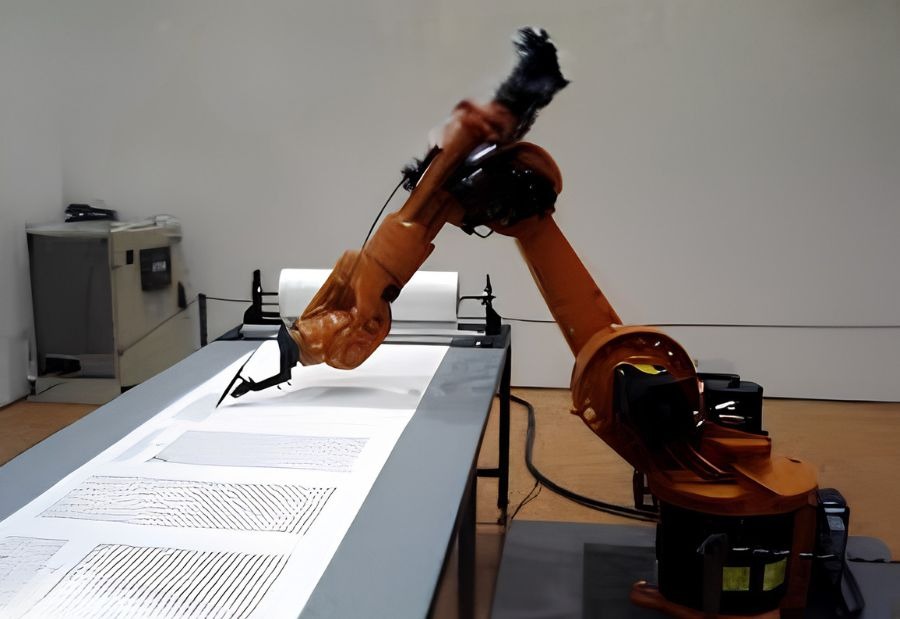
China is rapidly increasing investments in robotics and automation while continuing efforts to maintain workforce stability and employment across industries. The approach reflects the country’s broader strategy of combining AI, industrial automation, and advanced manufacturing with long-term economic and social priorities.
As automation adoption rises across factories, logistics, and industrial operations, Chinese policymakers and business leaders are positioning robots as tools to improve productivity and operational efficiency rather than direct replacements for workers. Industrial automation is increasingly being integrated into large-scale manufacturing systems to enhance precision, output, and production efficiency.
China has emerged as one of the fastest-growing robotics markets globally, supported by strong government backing and industrial modernization initiatives. Manufacturing companies across the country continue increasing robot deployment and automation capabilities to remain competitive in advanced manufacturing and AI-driven production.
At the same time, concerns around employment and job displacement remain an important part of policy discussions. Chinese officials and industry stakeholders have repeatedly stated that automation and humanoid robots are intended to complement human labor, improve workplace safety, and support productivity growth instead of causing large-scale unemployment.
The growing adoption of robotics and AI is also reshaping labor demand across industries. Experts note that automation is creating new opportunities in robotics operations, AI system management, engineering, industrial software, and AI training, even as traditional manufacturing roles continue evolving.
The discussion around robotics and employment has gained greater significance as China faces slower economic growth, rising labor costs, demographic shifts, and increasing global competition in advanced manufacturing sectors. Analysts believe the country is attempting to balance industrial modernization with long-term workforce stability.
Researchers also suggest that full automation may not always be practical or cost-effective in every sector. In many industries, human-AI collaboration and partial automation continue to offer more efficient operational models.
As China continues strengthening its robotics ecosystem, the country’s long-term strategy appears focused on integrating automation, AI, and human labor within a unified industrial growth framework.
Also read: Viksit Workforce for a Viksit Bharat
Do Follow: The Mainstream LinkedIn | The Mainstream Facebook | The Mainstream Youtube | The Mainstream Twitter
About us:
The Mainstream is a premier platform delivering the latest updates and informed perspectives across the technology business and cyber landscape. Built on research-driven, thought leadership and original intellectual property, The Mainstream also curates summits & conferences that convene decision makers to explore how technology reshapes industries and leadership. With a growing presence in India and globally across the Middle East, Africa, ASEAN, the USA, the UK and Australia, The Mainstream carries a vision to bring the latest happenings and insights to 8.2 billion people and to place technology at the centre of conversation for leaders navigating the future.