


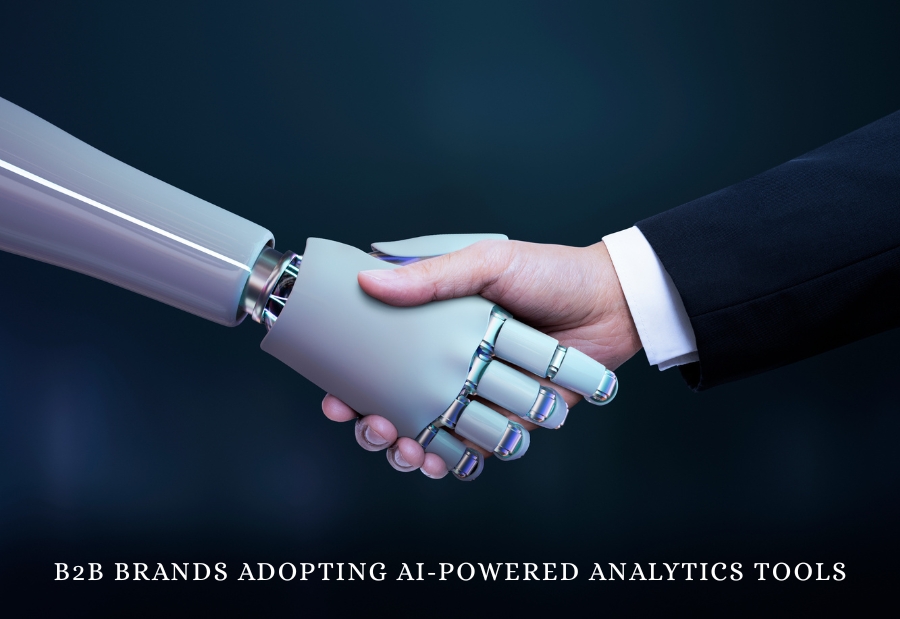
As B2B brands in India look to grow, many are turning to AI-powered analytics tools to make smarter decisions. These tools promise to uncover trends, predict customer behaviour and improve marketing performance. But while the benefits are clear, the journey to adoption is full of hurdles.
From data quality issues to resistance from teams, B2B companies face real challenges when bringing AI-powered analytics into their workflows. Understanding these obstacles can help brands prepare better and adopt these tools more successfully.
Here are the key challenges B2B brands face when adopting AI-powered analytics tools in India.
Data quality and integration issues
One of the biggest hurdles for B2B brands is poor data quality. Many companies collect data from multiple sources—website traffic, CRM systems, email campaigns and social media—but these systems often don’t talk to each well.
When data is scattered across different platforms, it becomes hard to get a complete view. AI-powered analytics tools need clean, organised data to work well. If the input is messy, the output won’t be reliable.
Many B2B brands in India also struggle with data integration. Connecting legacy systems with modern AI tools requires technical expertise that many companies don’t have in-house. This gap can slow down adoption and increase costs.
High cost of implementation
For many B2B brands, especially startups and mid-sized companies, the cost of implementing AI-powered analytics tools is a major concern. These tools often come with high licensing fees, setup costs and ongoing maintenance expenses.
Small businesses may find it hard to justify the investment when they’re still focused on core operations. Plus, the total cost doesn’t just include the software—it also includes training, hiring skilled staff and potentially upgrading existing infrastructure.
While some tools offer affordable options, the most powerful features often come at a premium price. This makes it difficult for smaller B2B brands to access the same level of insights as larger competitors.
Lack of skilled professionals
AI-powered analytics tools need skilled people to set them up, manage them and interpret the results. But India faces a shortage of professionals with the right expertise in AI, data science and analytics.
Many B2B brands struggle to find or hire talent who can work with these advanced tools. Even when companies have the software, they might not have the right people to use it effectively.
This skills gap means that brands often rely on external consultants or third-party vendors, which adds to the cost and reduces control over the process.
Resistance from teams
Another common challenge is team resistance. When B2B brands introduce AI-powered analytics tools, some employees may feel uncomfortable. They might worry that AI will replace their roles or make their work less meaningful.
Without proper communication and training, this resistance can slow down adoption. Teams need to understand how these tools help them work better—not replace them. Change management is key to making the transition smoother.
Companies that invest in training and show employees how AI supports their work see better results. Trust and transparency are essential.
Privacy and compliance concerns
Data privacy is a growing concern in India, especially with new regulations like the Digital Personal Data Protection (DPDP) Act. B2B brands using AI-powered analytics tools must ensure they’re collecting and using data in compliance with these rules.
Some AI tools process data in ways that might not align with local privacy laws. This creates legal risks for companies that aren’t careful. Brands need to choose tools that are compliant and transparent about how they handle data.
Failure to meet compliance standards can lead to penalties, loss of customer trust and damage to reputation.
Final thoughts: Planning is key
Adopting AI-powered analytics tools in India is not easy, but it’s worth the effort for B2B brands looking to grow. The challenges—data quality, cost, skills, resistance and compliance—can be managed with the right planning.
Start by assessing your current data setup, budgeting for the full cost, investing in training, communicating with your team and choosing compliant tools. With patience and preparation, B2B brands can unlock the power of AI and improve their decision-making.
AI-powered analytics is transforming how companies understand their customers and markets. The journey might be tough, but the rewards are worth it for B2B brands ready to take the next step.