


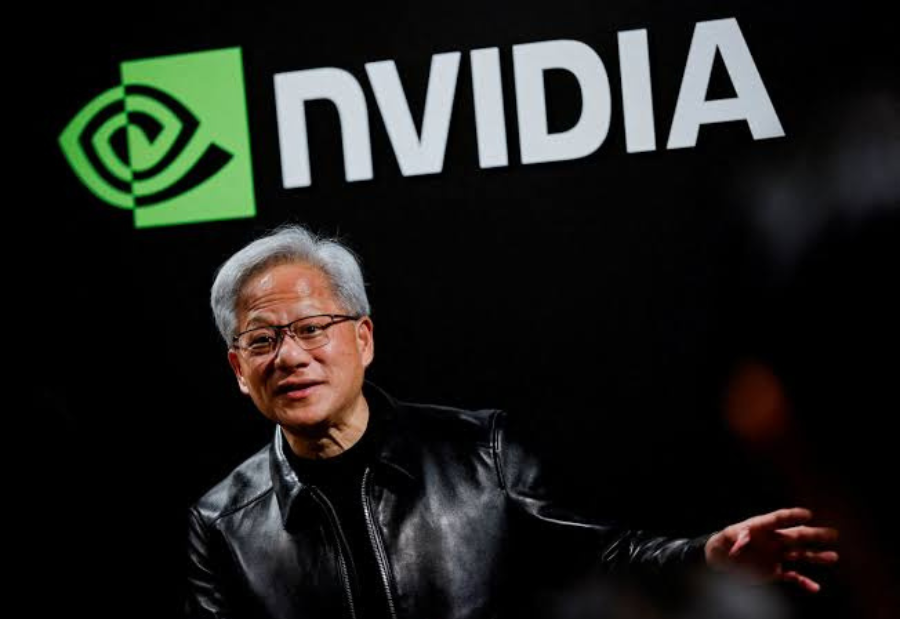
Nvidia’s plan to use its AI chips as collateral for a $500 billion financing initiative is facing caution from banks and investors, who are questioning how long the chips can reliably generate revenue.
Lenders and credit managers want stronger guarantees as they assess the long-term value of Nvidia’s AI processing hardware. Some deals already being developed are expected to include stronger guarantees and customer contracts to provide lenders with more certainty.
“Wall Street is much more conservative,” said Tony Trzcinka, senior portfolio manager at Impax Asset Management, referring to Nvidia’s view that specialised chips can generate revenue for a decade.
Nvidia said its “AI compute is a productive, durable and fungible asset that can support long-term financing. Our financing partners independently assess each opportunity, including customer commitments, expected cash flow and residual value.” The company added, “Financing structures will vary as this market develops.”
The financing plan, announced with Blackstone, Apollo and KKR in August, was designed to help AI developers access Nvidia’s compute through chip-backed loans. Nvidia had said some deals could carry no more than a 25% residual value guarantee.
However, 3 banking sources said Nvidia may need to guarantee all deals or have them supported by revenue from investment-grade customers. For now, the market is not treating AI compute like an investment-grade asset similar to aircraft.
Tens of billions of dollars in deals are reportedly being prepared with stronger guarantees and contracts. The initial structures would be secured by Nvidia chips, customer contracts and Nvidia’s underlying guarantee.
Nvidia CEO Jensen Huang wants compute to become “an investable infrastructure asset”. He has also said GPUs can remain useful for up to a decade. Credit investors remain more cautious.
“Banks typically underwrite GPUs over a 3-4 year depreciation schedule,” Trzcinka said. Investors may therefore seek higher interest rates, larger financial cushions and stronger repayment protections.
Nvidia cited studies showing cloud companies extending server depreciation periods to 5-6 years. Valuation firm Barkr estimates its GB300 NVL72 systems could have a useful life of 9-10 years.
Recent deals offer more protection. CoreWeave secured an $8.5 billion GPU-backed facility supported by Meta’s payments, while Broadcom backed more than 80% of a $35 billion financing structure for Anthropic. Nvidia had also provided a residual-value guarantee for an SB Energy data-centre project.
“The precedent transactions so far would suggest that the creditor community does not subscribe to long average lives for these assets,” said Brian Gelfand of TCW.
Also read: Viksit Workforce for a Viksit Bharat
Do Follow: The Mainstream LinkedIn | The Mainstream Facebook | The Mainstream Youtube | The Mainstream Twitter
About us:
The Mainstream is a premier platform delivering the latest updates and informed perspectives across the technology business and cyber landscape. Built on research-driven, thought leadership and original intellectual property, The Mainstream also curates summits & conferences that convene decision makers to explore how technology reshapes industries and leadership. With a growing presence in India and globally across the Middle East, Africa, ASEAN, the USA, the UK and Australia, The Mainstream carries a vision to bring the latest happenings and insights to 8.2 billion people and to place technology at the centre of conversation for leaders navigating the future.