


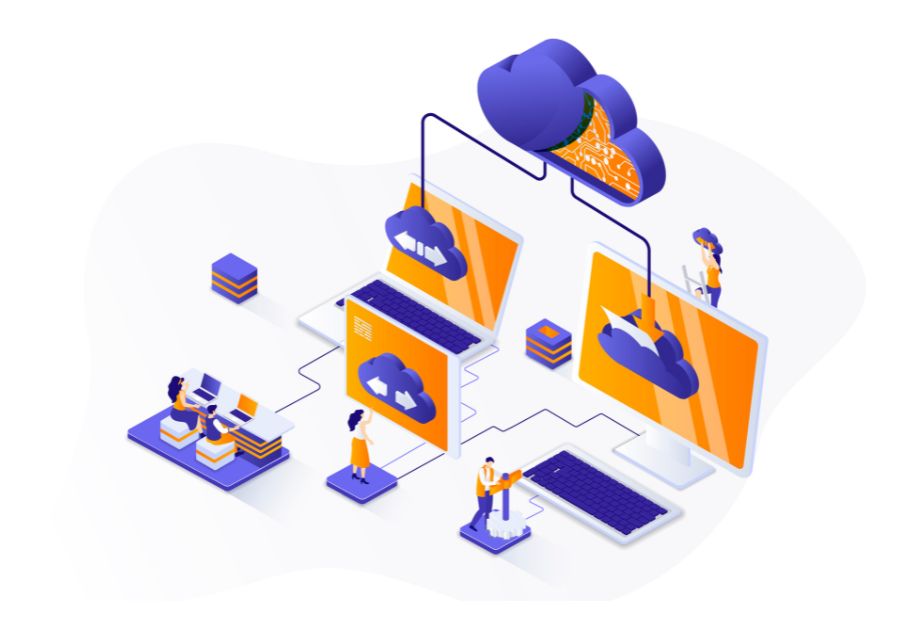
Cloud adoption has given enterprises greater flexibility in choosing where applications and workloads operate. Many businesses use more than one cloud provider to meet different technical or business requirements.
However, using too many cloud environments can introduce additional complexity. For organisations running critical workloads across multiple platforms, multi-cloud workload risks can affect security, availability, cost management and operational efficiency.
Why are enterprises using multiple clouds?
Enterprises may adopt multiple cloud platforms for several reasons.
Different providers may offer specific capabilities, regional availability or commercial arrangements. Business units may also make independent technology decisions, while mergers and acquisitions can add additional cloud environments.
Over time, this can result in workloads distributed across several platforms.
Key multi-cloud workload risks
- Increased operational complexity
Each cloud provider may have different services, management tools, security controls and configuration approaches.
Technology teams need the skills and processes required to manage these differences. As environments expand, maintaining consistency can become difficult.
- Security configuration gaps
Security settings may differ between platforms.
An organization may have strong controls in one environment but weaker configurations in another. Monitoring all environments consistently can also become challenging.
These differences can contribute to multi-cloud workload risks when security policies are not applied consistently.
- Limited visibility
CIOs need to understand where critical workloads are running and how they depend on other services.
When applications, data and infrastructure are spread across multiple clouds, gaining a complete view of dependencies can become harder.
4. Rising management costs
Multiple clouds can create additional costs through duplicated tools, specialized skills and overlapping services.
It may also become difficult to understand total spending when each provider has separate billing structures.
Cost visibility therefore becomes an important part of multi-cloud management.
5. Data movement challenges
Critical workloads may need to exchange data across different cloud environments.
Moving large volumes of information can introduce performance, security and cost considerations. Data residency and compliance requirements may also affect workload placement.
6. Skills and talent requirements
Managing multiple cloud platforms requires broader technical skills.
Teams may need expertise across different provider technologies, security models and operational tools. This can increase training requirements and create dependency on specialized talent.
How can businesses manage these risks?
A multi-cloud strategy does not automatically create poor outcomes. The key is having clear governance and architecture standards.
Organisations can define common security requirements, identity controls, monitoring practices and workload ownership across platforms.
Cloud management tools can also provide a more consolidated view of resources and usage.
Standardize the right things
Enterprises do not necessarily need identical infrastructure across every cloud.
Instead, they can standardize areas such as security policies, naming conventions, access management, monitoring and governance.
This can reduce unnecessary differences while allowing technology teams to use platform-specific capabilities where they provide value.
Review workload placement
Technology leaders should periodically review why critical workloads are running where they are.
If a workload exists across multiple clouds without a clear business or technical reason, simplifying its placement may reduce operational overhead.
Workload decisions should consider performance, resilience, security, cost and business requirements together.
The Mainstream perspective
As cloud adoption expands, enterprises are becoming more thoughtful about workload placement and operating models. The Mainstream continues to track cloud strategy, enterprise infrastructure and technology leadership trends affecting modern organisations.
Final Thought
Multi-cloud workload risks can increase when critical applications and data are distributed across too many cloud environments without strong governance. Better visibility, consistent security controls, clear workload ownership and regular architecture reviews can help enterprises gain the benefits of multi-cloud while keeping complexity manageable.