


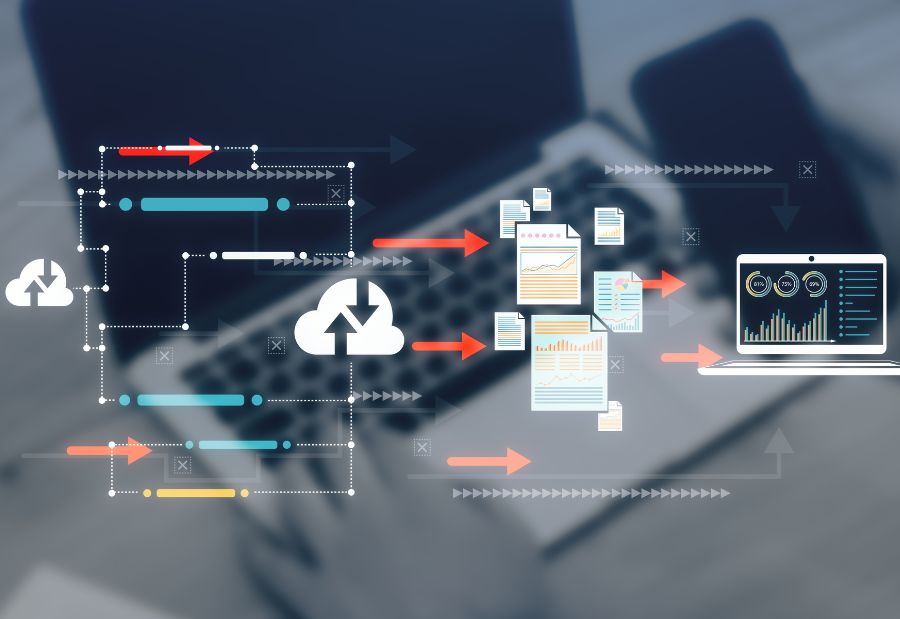
Modern enterprises often depend on multiple data platforms. Business units may use separate applications, databases and analytics environments based on their individual requirements. While this can support flexibility, it can also create enterprise data fragmentation.
When information is spread across disconnected platforms, technology teams may struggle to maintain consistency, governance and visibility. Business users may also spend more time finding and validating information before they can use it.
Reducing fragmentation therefore requires a combination of technology, governance and organisational changes.
Why enterprise data fragmentation happens
Fragmentation usually develops gradually.
Different business units adopt systems at different times. Acquisitions may introduce new platforms, while older applications continue to support critical operations.
Cloud adoption can increase this complexity because teams may use different cloud data services or create separate environments.
Over time, information becomes distributed across systems that were not designed to work together.
The impact on business
Enterprise data fragmentation can make it difficult to create a consistent view of customers, operations or financial performance.
Duplicate records may exist across systems. Different teams may also use different definitions for the same business metric.
This can affect reporting, analytics and decision-making.
AI initiatives can face similar challenges because AI applications require access to relevant and reliable information from multiple sources.
Start with data visibility
Technology leaders cannot reduce fragmentation without understanding where it exists.
A data inventory can help identify important platforms, datasets, owners and connections. Mapping data flows can also show where information is duplicated, delayed or transformed between systems.
This visibility provides a foundation for prioritising improvements.
Establish common data standards
Different systems often use different formats or definitions. Common standards can help create consistency.
For example, organisations can establish shared definitions for customer information, business metrics and critical data fields.
These standards do not necessarily require every business unit to use the same application. They create consistency at the data level while allowing flexibility at the technology level.
Improve data integration
Integration can help information move between systems without requiring every platform to be replaced.
APIs, data pipelines, integration platforms and event-based architectures can support connections between applications and data environments.
Technology leaders should prioritise integrations that support important business processes rather than attempting to connect every system immediately.
Clarify data ownership
Fragmentation is also an organizational issue.
If no team owns a particular dataset, quality and governance responsibilities can become unclear.
Technology leaders can establish data ownership and stewardship responsibilities for important business information. Clear accountability can help organisations maintain consistent standards over time.
Simplify where possible
Not every data platform needs to remain in place forever.
Some systems may duplicate capabilities already provided elsewhere. Others may no longer support current business needs.
Regular technology portfolio reviews can identify platforms that can be consolidated, retired or replaced.
This can reduce both technical and operational complexity.
Connect fragmentation with AI strategy
Reducing enterprise data fragmentation can create broader benefits for AI.
AI systems often need information from multiple enterprise sources. If data remains isolated, organisations may struggle to create reliable AI applications or maintain consistent results.
Improving integration and governance can therefore support both current analytics needs and future AI initiatives.
The Mainstream perspective
As enterprises adopt more data platforms, reducing fragmentation is becoming an important technology leadership challenge. The Mainstream continues to cover enterprise data, AI, cloud and technology strategy as businesses work toward more connected digital environments.
Final thought
Enterprise data fragmentation can limit visibility, create inconsistent information and make AI and analytics initiatives harder to scale. Technology leaders can reduce the problem through better data visibility, common standards, integration, ownership and selective platform consolidation. The goal is not to eliminate every technology difference but to create a more connected and manageable data environment.