


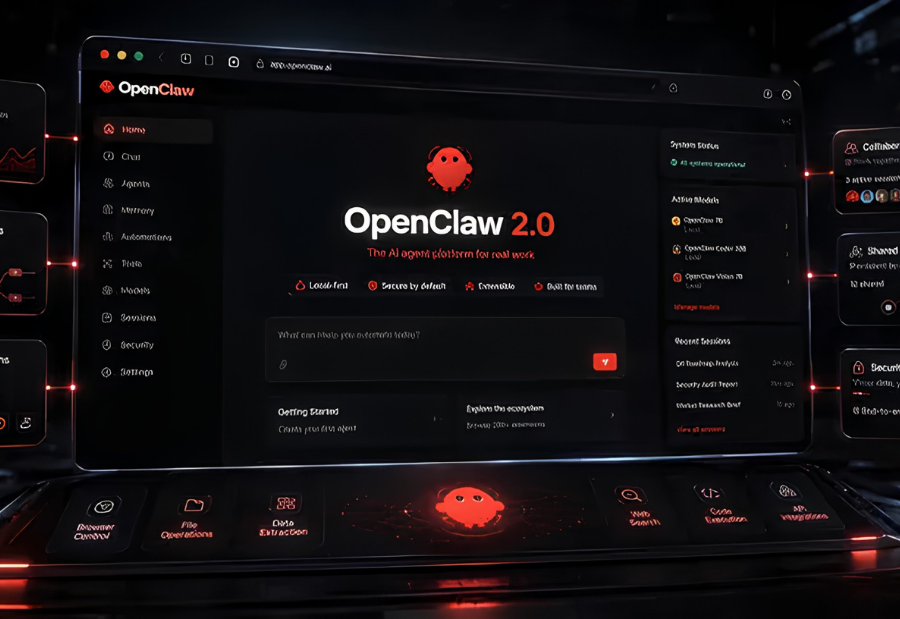
OpenClaw has introduced a major upgrade to its self hosted, open source AI agent platform, marking its biggest release since launch. Called OpenClaw 2.0, the update was developed by 933 contributors and includes more than 16,000 pull requests. It brings changes across installation, messaging, memory, skills, models, automations, browser and native apps, plugins and security.
The update comes after nearly 7 weeks of development, a notable change from OpenClaw’s earlier release pattern. The platform previously delivered 106 releases in 230 days, with most updates arriving within 2 days.
The setup process has been simplified. New users can use resources already available on their computers, including existing ChatGPT or Claude subscriptions, API keys and local models. Some configurations have also been moved out of the initial setup, allowing users to start their first conversation faster and complete additional settings later through conversations.
OpenClaw has rebuilt its browser experience as a core part of the platform. Users can continue setting up their Claw, return to ongoing work and track tasks in real time.
The update also adds search for past conversations. Users can find visible conversation text using exact words or phrases and reopen messages around a matching result. Sessions can now also continue beyond the Gateway on paired devices or cloud workers. Workspaces can move with sessions, while machines and project seeds can be reused for later cloud sessions.
New durable session progress cards let users monitor work, including subagent activity and ongoing edits, even after reloading the web or native app. Widgets and dashboards also provide a more interactive experience. Users can add widgets to chats, pin them to dashboards, grant specific actions or network origins and export rendered views as images.
For recurring tasks, users can approve an exact operation once and allow automation to repeat it. The update also expands media support and adds native playback controls.
Security has also been strengthened. Agents can request credentials through a masked prompt without exposing the credential value in the chat or model context.
Despite the broad changes, OpenClaw remains self hosted and open source. Developers can continue building on the platform without being tied to a single AI model or provider.
Also read: Viksit Workforce for a Viksit Bharat
Do Follow: The Mainstream LinkedIn | The Mainstream Facebook | The Mainstream Youtube | The Mainstream Twitter
About us:
The Mainstream is a premier platform delivering the latest updates and informed perspectives across the technology business and cyber landscape. Built on research-driven, thought leadership and original intellectual property, The Mainstream also curates summits & conferences that convene decision makers to explore how technology reshapes industries and leadership. With a growing presence in India and globally across the Middle East, Africa, ASEAN, the USA, the UK and Australia, The Mainstream carries a vision to bring the latest happenings and insights to 8.2 billion people and to place technology at the centre of conversation for leaders navigating the future.