


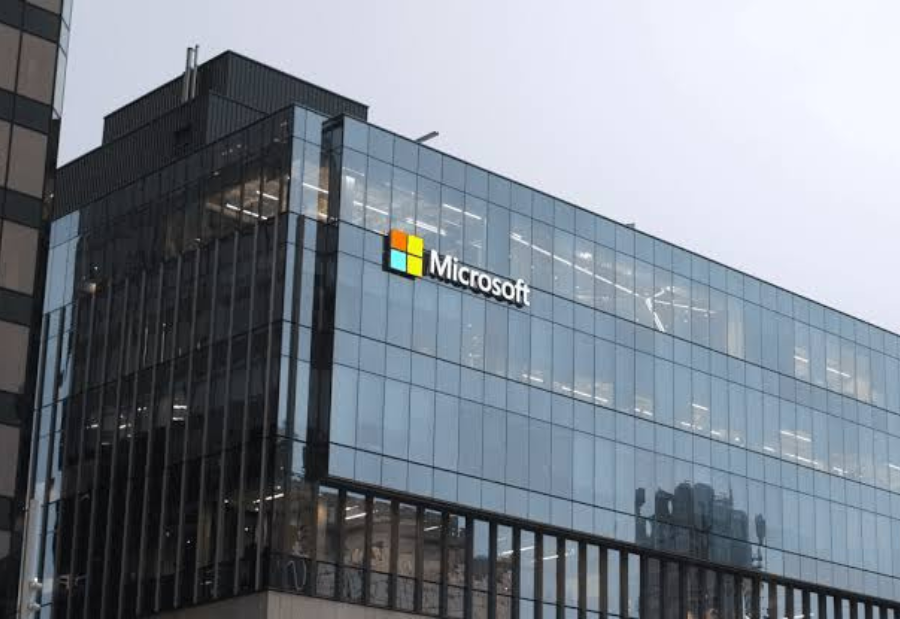
China is accelerating efforts to reduce reliance on US technology, with state agencies reportedly being directed to remove Windows 10 from government computers and move toward locally developed Linux-based operating systems.
The Ministry of State Security has reportedly informed some state-linked organisations about the change, citing data security concerns without identifying specific vulnerabilities. The government version of Windows 10 was customised by C&M Information Technologies (CMIT), a 2016 joint venture between Microsoft and state-owned China Electronics Technology Group. It was designed to meet Beijing’s security requirements and supported Chinese encryption algorithms.
“We have nothing further to share.” A Microsoft spokesperson also said, “Microsoft is not aware of a security incident affecting this product, which continues to receive regular security updates.”
The customised Windows 10 version was originally scheduled to be retired in February 2027. China is now reportedly ending its use months earlier. The move has surprised some state agency employees and comes weeks before a planned meeting between US President Donald Trump and Chinese President Xi Jinping.
Domestic Linux systems gain ground
China is encouraging government agencies to adopt domestic operating systems, particularly for sensitive data. Kylin Software offers the Linux-based Kylin OS, while Tongxin Software Technology has developed Unity OS, based on Debian.
The shift is part of a wider effort to replace imported technology in sensitive sectors. China began replacing foreign PCs in government offices in 2019 and directed central agencies and state-owned companies to remove foreign-branded computers in 2022.
Some sensitive state-linked organisations have also restricted Apple iPhones. In AI hardware, China is increasingly relying on Huawei Technologies and Cambricon Technologies as access to Nvidia’s advanced accelerators remains limited.
Other countries are also reducing dependence on Windows. France announced plans in April to move government ministries to Linux, while Germany, Denmark and Austria have also been shifting away from Microsoft systems.
Despite the government push, Windows remains dominant among Chinese consumers, accounting for 87.64% of desktop web traffic in July 2026. Microsoft also continues to sell AI models and cloud services to Chinese companies, with ByteDance alone expected to spend more than $1 billion annually on these services.
Also read: Viksit Workforce for a Viksit Bharat
Do Follow: The Mainstream LinkedIn | The Mainstream Facebook | The Mainstream Youtube | The Mainstream Twitter
About us:
The Mainstream is a premier platform delivering the latest updates and informed perspectives across the technology business and cyber landscape. Built on research-driven, thought leadership and original intellectual property, The Mainstream also curates summits & conferences that convene decision makers to explore how technology reshapes industries and leadership. With a growing presence in India and globally across the Middle East, Africa, ASEAN, the USA, the UK and Australia, The Mainstream carries a vision to bring the latest happenings and insights to 8.2 billion people and to place technology at the centre of conversation for leaders navigating the future.