


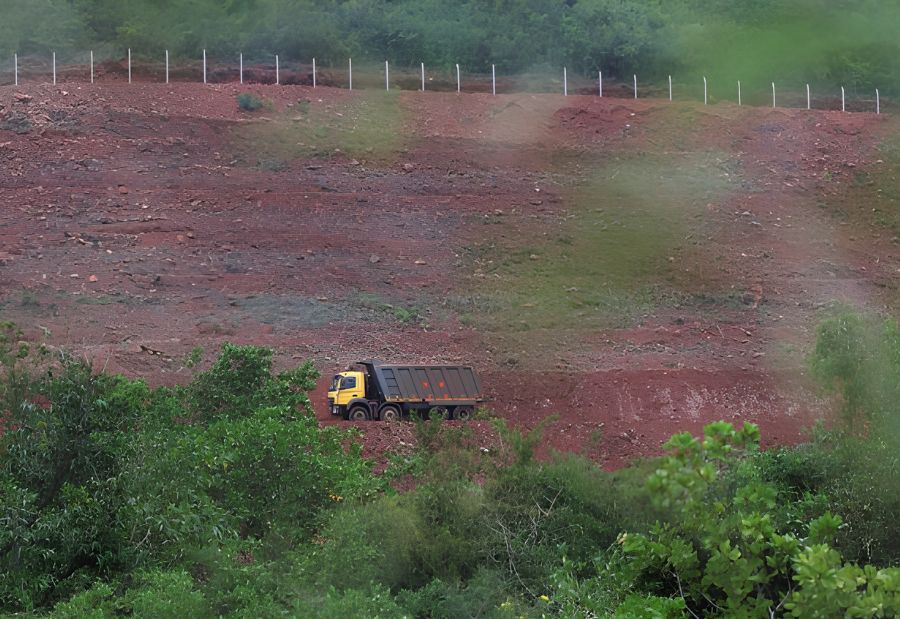
Google’s proposed $15 billion AI data centre project in Andhra Pradesh is facing growing opposition from environmental groups over concerns related to water availability and its proximity to a wildlife sanctuary. While construction is progressing, activists have raised legal and environmental challenges, making the project an early test for Google’s largest investment in India.
The Andhra Pradesh government, led by an ally of Prime Minister Narendra Modi, has described the project as historic and denied claims that approvals were rushed without considering environmental risks. Officials maintain that all necessary assessments are being carried out and that the government remains open to addressing genuine concerns.
Environmental activists argue that the project could put additional pressure on Visakhapatnam’s already strained water supply. The city currently receives 410 million litres of water daily against a demand of 480 million litres, with water rationing already in place for its population of 2.5 million. Protesters have organized marches, awareness campaigns, and public gatherings, carrying banners that read “We cannot drink DATA.”
The Andhra Pradesh High Court has asked the state government to respond to a public interest litigation filed by Jal Biradari (Water Community), which claims the project could affect nearby water resources. The next hearing is scheduled for August 24.
Google stated that the data centre will comply with all applicable laws and use advanced air-cooling technology to minimise water consumption. The company has also partnered with Adani Group to develop the project, which is expected to create up to 188,000 jobs.
The project is also facing scrutiny over its location near the Kambalakonda Wildlife Sanctuary, situated about 860 metres away. Activists have expressed concerns about the impact of construction and noise on wildlife, including leopards and pangolins. In response, the state government said the project complies with legal distance requirements, while Google confirmed it will implement sound-dampening measures to minimise disruption.
In addition, 3 cases have been filed before India’s environmental court by the Human Rights Forum, alleging that the project’s environmental impact and water sourcing were not adequately assessed. The state government has maintained that neither rural nor residential water supplies, nor the nearby reservoir, will be used for the data centre.
Also read: Viksit Workforce for a Viksit Bharat
Do Follow: The Mainstream LinkedIn | The Mainstream Facebook | The Mainstream Youtube | The Mainstream Twitter
About us:
The Mainstream is a premier platform delivering the latest updates and informed perspectives across the technology business and cyber landscape. Built on research-driven, thought leadership and original intellectual property, The Mainstream also curates summits & conferences that convene decision makers to explore how technology reshapes industries and leadership. With a growing presence in India and globally across the Middle East, Africa, ASEAN, the USA, the UK and Australia, The Mainstream carries a vision to bring the latest happenings and insights to 8.2 billion people and to place technology at the centre of conversation for leaders navigating the future.