


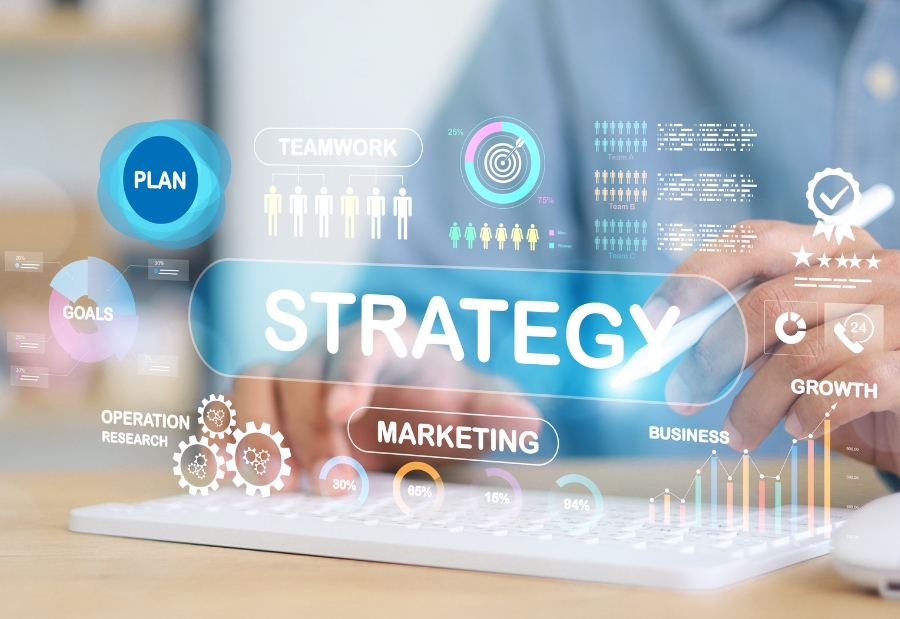
Technology plays a vital role in helping businesses grow, improve efficiency and stay competitive. However, technology investments only deliver long-term value when they support business objectives. This is why every CIO needs a clear IT strategic plan for the organization that aligns technology initiatives with business priorities.
An effective IT strategy acts as a roadmap for technology decisions. It helps organizations manage digital transformation, improve security, modernize infrastructure and prepare for future growth. Rather than focusing only on technology, a strategic plan ensures every IT initiative contributes to business success.
Why an IT strategic plan matters
Businesses rely on technology to support daily operations, customer experiences and innovation. Without a clear direction, technology projects can become disconnected from business goals, leading to unnecessary costs and missed opportunities.
A well-designed IT strategic plan for the organization helps CIOs prioritize investments, improve collaboration across departments and create a technology environment that supports long-term business growth.
It also gives leadership teams greater confidence when making decisions about digital transformation and enterprise technology.
Key steps CIOs should follow
Developing a successful IT strategy requires careful planning and close collaboration with business leaders. Technology decisions should always support organizational goals rather than operate independently.
Some important steps include:
- Understand business objectives, assess the current technology environment, identify areas for improvement and develop a roadmap that aligns technology with business priorities.
- Strengthen cybersecurity, modernize infrastructure, encourage collaboration between business and IT teams and review the strategy regularly to adapt to changing business needs.
These actions help organizations build a practical and flexible technology plan.
Align technology with business goals
An IT strategy should support every part of the business. CIOs should work closely with executives and department leaders to understand plans, operational challenges and customer expectations.
When technology initiatives are aligned with business goals, organizations are better positioned to improve productivity, enhance customer experiences and respond quickly to market changes.
Regular communication between technology and business teams also ensures that the strategy remains relevant as priorities evolve.
Focus on innovation and security
Innovation is essential for business growth, but it should never compromise security. CIOs must balance the adoption of emerging technologies with strong cybersecurity practices.
Cloud computing, artificial intelligence, automation and data analytics can improve business performance when implemented within a secure technology framework. Identity management, regular risk assessments and security awareness should be included as part of every IT strategic plan.
A secure and innovative technology environment creates a stronger foundation for long-term success.
The Mainstream’s perspective on IT Leadership
The Mainstream is a global tech media platform focused on enterprise and emerging technology, AI, digital transformation, cybersecurity, governance policy, GCC, Digital Natives, CX, BFSI and FinTech.
Through enterprise technology news, executive interviews, leadership conferences, expert opinions and industry insights, The Mainstream explores how CIOs create an effective IT strategic plan for the organization. Its editorial coverage includes enterprise technology, cloud computing, cybersecurity, artificial intelligence, digital transformation and technology leadership.
By connecting CIOs, CEOs, CTOs, CISOs, founders, technology experts and enterprise executives, The Mainstream provides valuable insights that help organizations make informed technology decisions and strengthen long-term business strategies.
Conclusion
Creating an effective IT strategic plan for the organization is one of the most important responsibilities of a CIO. A well-structured strategy aligns technology with business goals, encourages innovation, strengthens security and supports sustainable growth.
Organizations that regularly review and refine their IT strategy will be better prepared to adapt to changing technologies, improve operational performance and achieve long-term business success.