


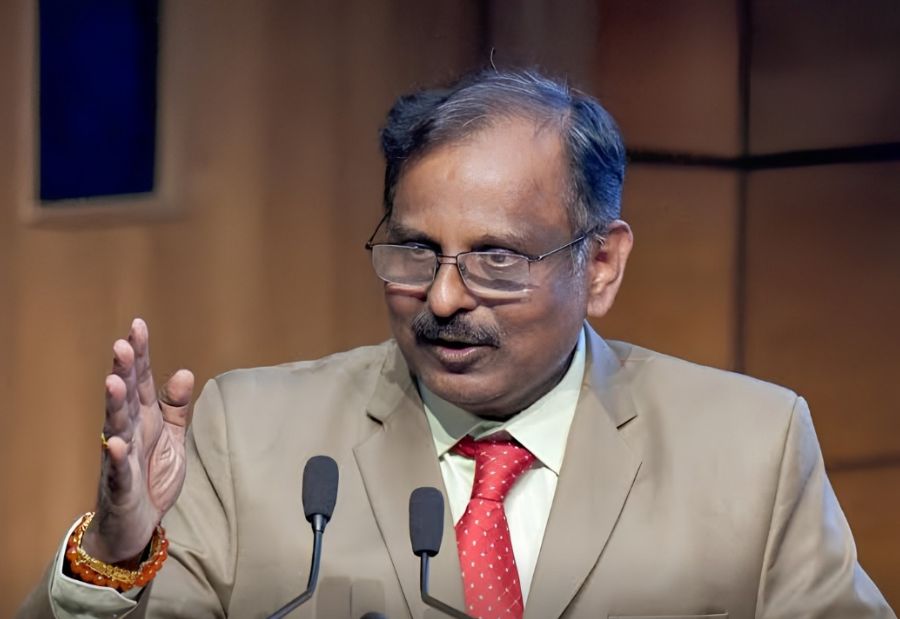
India’s Gaganyaan human spaceflight programme remains on track, but its timeline could be extended as the Indian Space Research Organisation (ISRO) continues detailed safety and technical assessments. ISRO Chairman V. Narayanan said engineers are targeting the 1st uncrewed mission by the end of 2026, although the schedule could shift to the 3rd quarter of 2027 if additional testing is required.
Speaking at the 17th Air Chief Marshal L.M. Katre Memorial Lecture in Bengaluru, Narayanan stressed that human spaceflight requires uncompromising safety standards. He said the mission depends on a human-rated launch vehicle and multiple safety systems to protect astronauts throughout every stage of the flight. ISRO plans to complete 3 uncrewed missions before launching its 1st crewed mission.
Narayanan said preparations have advanced significantly despite the demanding technical requirements. According to him, ISRO has completed more than 8,000 ground tests, including over 60 major tests and demonstrations during the 2025–26 financial year. The organisation is currently focused on preparing for the upcoming uncrewed missions.
Highlighting India’s growing capabilities in human spaceflight, Narayanan said Indian scientists played a key role in identifying a technical issue before the Axiom Mission 4 launch aboard a SpaceX rocket in June 2025. He said the Indian team, including officials from the Human Space Flight Centre, recommended postponing the launch until the issue was resolved.
“It was Indian scientists, including myself and my team, and the director of Human Space Flight Centre D.K. Singh was also there at the Kennedy Space Centre, who insisted that the launch should be stopped and it was stopped,” Narayanan said.
He added, “We have proven to the world that the Indian education system is second to none, that the Indian training is second to none even if we have to hold back a human-rated rocket at the last minute.”
Narayanan also said ISRO has identified the reasons behind recent Polar Satellite Launch Vehicle (PSLV) setbacks and is working to restore full operational capability. He added that efforts to strengthen India’s NavIC satellite navigation system are continuing. According to the ISRO chief, the organisation’s satellites also played “a key role in the success of Operation Sindoor” last year.
Also read: Viksit Workforce for a Viksit Bharat
Do Follow: The Mainstream LinkedIn | The Mainstream Facebook | The Mainstream Youtube | The Mainstream Twitter
About us:
The Mainstream is a premier platform delivering the latest updates and informed perspectives across the technology business and cyber landscape. Built on research-driven, thought leadership and original intellectual property, The Mainstream also curates summits & conferences that convene decision makers to explore how technology reshapes industries and leadership. With a growing presence in India and globally across the Middle East, Africa, ASEAN, the USA, the UK and Australia, The Mainstream carries a vision to bring the latest happenings and insights to 8.2 billion people and to place technology at the centre of conversation for leaders navigating the future.