


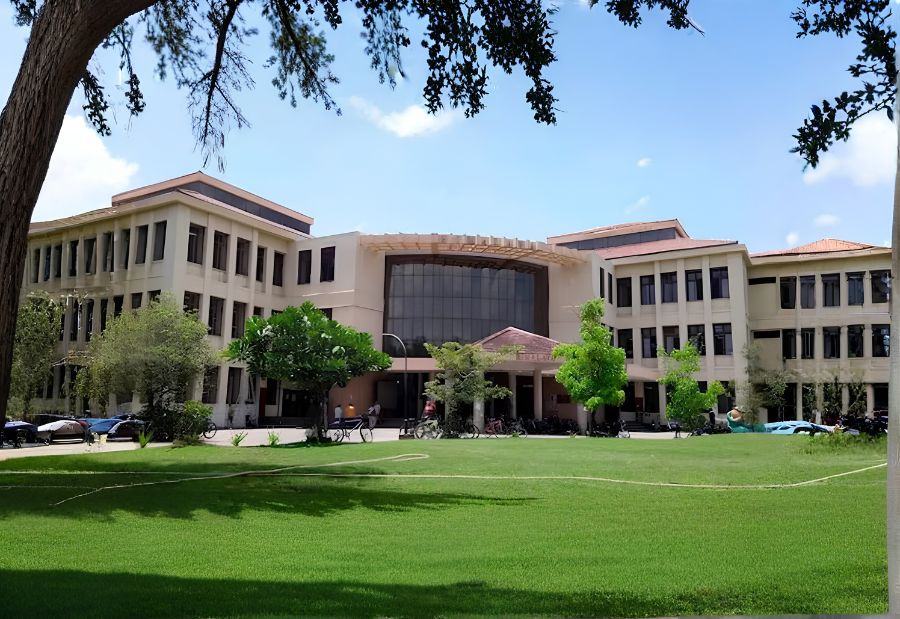
In a significant step toward sustainable e-waste management, IIT Madras has developed an indigenous pilot plant capable of processing 100 tonnes of electronic waste annually. The facility, located at Bharat Heavy Electricals Limited (BHEL) in Tiruchirapalli, is designed to treat 100 tonnes per annum of bare printed circuit boards (PCBs), one of the most hazardous and metal-rich components of electronic waste.
PCBs contain valuable metals such as copper, lead, and tin. When electronic waste is not handled properly, these metals can leach into soil and groundwater, creating long-term environmental and public health concerns.
The pilot plant demonstrates a scalable metal recovery solution using a zero-discharge, single-acid process. Developed from laboratory-scale research into a fully functional unit, the technology enables the recovery of valuable metals from discarded electronics while preventing pollution of soil, water, and air.
The innovation comes at a time when India generates nearly 5 million metric tonnes of electronic waste every year. The technology behind the project was developed through an exploratory research initiative funded internally by IIT Madras.
Speaking about the development, Professor S Pushpavanam, YBG Varma Chair Professor, Department of Chemical Engineering, IIT Madras, said, “With India’s e-waste challenge accelerating, this pilot plant offers a ready-to-scale model for clean metal recovery. The work aligns with Make in India, the circular economy, and critical minerals security. It also provides a rare example of academic research translating into technology development.”
According to the institute, the pilot plant stands out for its use of a single acid, enabling a zero-discharge process. The facility has been built entirely by Indian firms based on IIT Madras research and incorporates automated operations with high levels of safety integrated into its design.
The development highlights the potential of indigenous innovation in addressing India’s growing e-waste challenge while supporting sustainability, resource recovery, and circular economy goals.
Also read: Viksit Workforce for a Viksit Bharat
Do Follow: The Mainstream LinkedIn | The Mainstream Facebook | The Mainstream Youtube | The Mainstream Twitter
About us:
The Mainstream is a premier platform delivering the latest updates and informed perspectives across the technology business and cyber landscape. Built on research-driven, thought leadership and original intellectual property, The Mainstream also curates summits & conferences that convene decision makers to explore how technology reshapes industries and leadership. With a growing presence in India and globally across the Middle East, Africa, ASEAN, the USA, the UK and Australia, The Mainstream carries a vision to bring the latest happenings and insights to 8.2 billion people and to place technology at the centre of conversation for leaders navigating the future.