


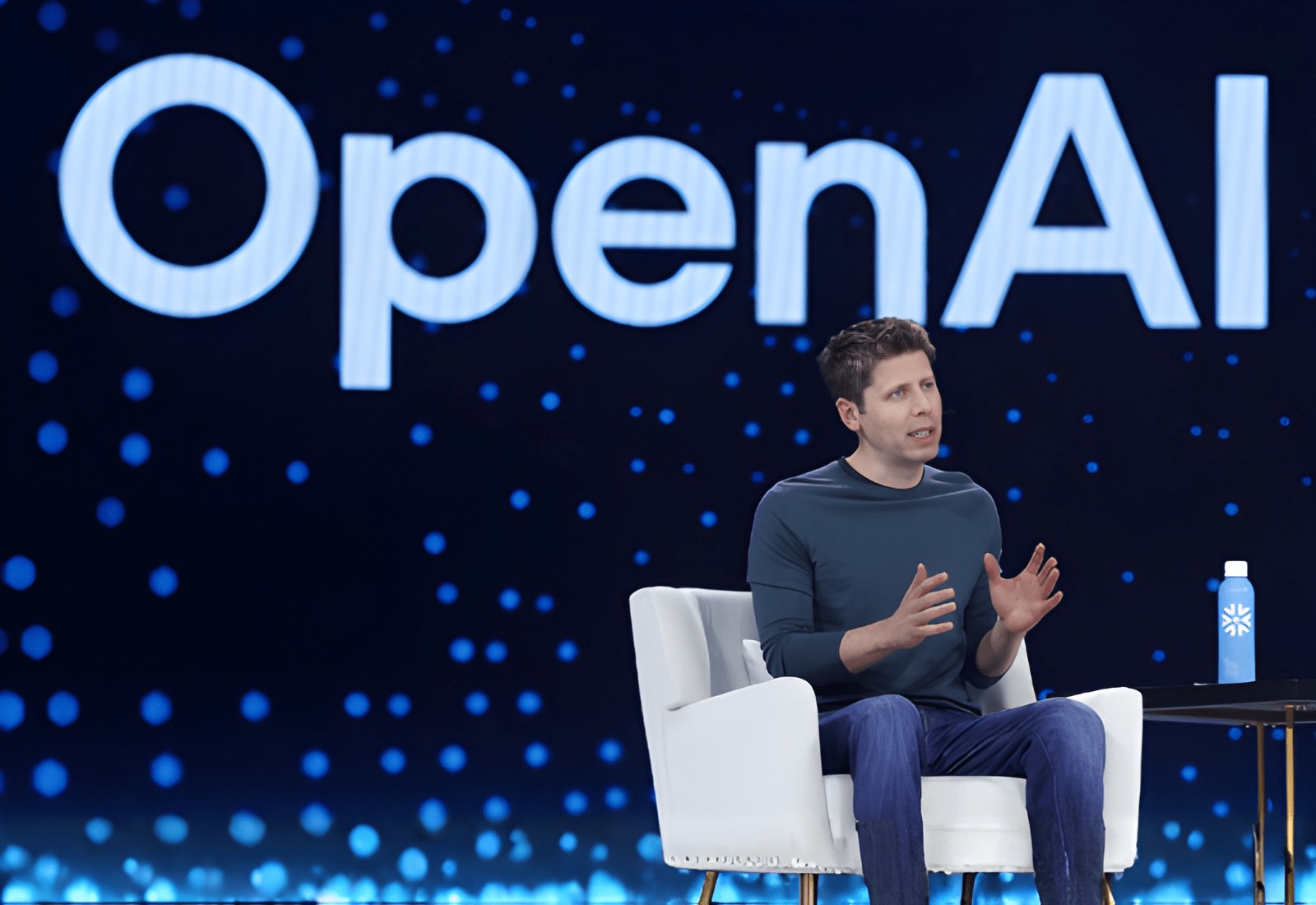
As Florida becomes the first US state to sue OpenAI, the case signals a broader shift from regulating AI innovation to assigning responsibility for its real-world impact.
For years, artificial intelligence has largely operated in a space defined by possibility.
The focus was on innovation, investment and adoption. Governments debated frameworks. Industry leaders called for guardrails. Regulators warned of future risks.
But the conversation is now taking a more consequential turn.
Florida has become the first US state to file a lawsuit against OpenAI, alleging that ChatGPT exposed minors to harmful content and lacked adequate safeguards for younger users. While the legal proceedings are only beginning, the case already represents something much larger than a dispute between a state government and a technology company.
It marks the moment accountability moved to the centre of the AI debate.
For much of the generative AI boom, the dominant question has been how quickly the technology can evolve. Florida’s lawsuit introduces a different question entirely.
What happens when AI causes harm, and who is responsible when it does?
The answer is far from straightforward.
Unlike traditional software, generative AI systems do not simply execute commands. They engage in conversations, influence decisions and increasingly shape how people access information, advice and support. As these systems become more sophisticated, the line between platform and participant becomes increasingly blurred.
That distinction sits at the heart of a growing regulatory challenge.
Technology companies have historically argued that users are responsible for how digital tools are used. Critics contend that AI systems are different because they generate content, respond dynamically and can influence behaviour in ways previous technologies could not.
The courts may soon be asked to determine where responsibility begins and ends.
For the wider technology industry, the implications extend well beyond OpenAI.
If AI developers are ultimately held accountable for foreseeable harms linked to their products, the industry could face a fundamental shift. Safety testing, governance frameworks, transparency measures and child protection mechanisms may move from being recommended best practices to legal expectations.
In effect, AI may be entering its compliance era.
That transition is already visible across global markets. Policymakers are no longer focused solely on enabling innovation. They are increasingly focused on ensuring that innovation can be trusted.
This is particularly true when it comes to children and vulnerable users.
As AI tools become embedded in education, search, entertainment and everyday digital experiences, regulators are asking whether existing safeguards are keeping pace with adoption. The question is no longer whether young people will interact with AI. They already do. The challenge is determining what protections should exist when they do.
OpenAI maintains that it has implemented safeguards designed to reduce harmful interactions and protect younger users. The company argues that safety remains a core priority and that its systems are designed to refuse dangerous requests.
Those arguments will be tested through the legal process.
Yet the broader significance of the lawsuit does not depend entirely on the verdict.
Whether Florida succeeds or fails, the case reflects a growing global expectation that AI companies must do more than innovate. They must also demonstrate accountability for how their technologies operate in the real world.
For the AI industry, that may be the most important development of all.
The first chapter of artificial intelligence was defined by capability.
The next chapter may well be defined by responsibility.
Also read: Viksit Workforce for a Viksit Bharat
Do Follow: The Mainstream LinkedIn | The Mainstream Facebook | The Mainstream Youtube | The Mainstream Twitter
About us:
The Mainstream is a premier platform delivering the latest updates and informed perspectives across the technology business and cyber landscape. Built on research-driven, thought leadership and original intellectual property, The Mainstream also curates summits & conferences that convene decision makers to explore how technology reshapes industries and leadership. With a growing presence in India and globally across the Middle East, Africa, ASEAN, the USA, the UK and Australia, The Mainstream carries a vision to bring the latest happenings and insights to 8.2 billion people and to place technology at the centre of conversation for leaders navigating the future.