


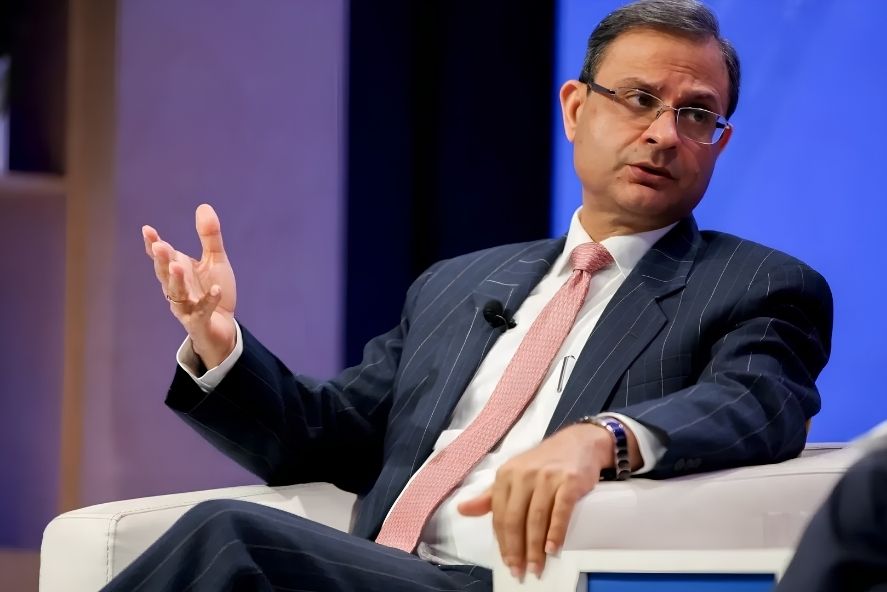
Reserve Bank of India (RBI) Governor Sanjay Malhotra has said a small merchant discount rate (MDR) on select Unified Payments Interface (UPI) transactions is unlikely to have a significant impact on transaction volumes, as the digital payments ecosystem prepares for the new fee structure.
Speaking at the press conference following the October monetary policy review, Malhotra was asked whether the introduction of MDR from October 15, 2026, could reduce UPI usage and whether the RBI would consider bearing the cost in the public interest.
“As of now, we do not see any drop in volumes, and I don’t personally think that a small fee will have a major impact on the volumes,” Malhotra said, indicating that the central bank does not expect a material decline in usage.
Under the new framework, the National Payments Corporation of India (NPCI) has fixed an MDR of 0.4% for eligible digital transactions above Rs 2,000. The charge is intended to be borne within the merchant payments ecosystem rather than passed on to consumers. Payments to merchants up to Rs 2,000 and transactions covered by the zero-MDR framework for small merchants will remain free.
The government has said the move aims to support the long-term sustainability of digital payments while keeping UPI free for consumers.
However, the change has raised questions about existing fees charged by fintech companies. Payment platforms levy charges under different categories, including convenience, platform, handling and technology fees. Several companies have indicated that many of these charges may continue after MDR takes effect.
A senior executive at a UPI payment app said platform fees cover the cost of operating digital services, while convenience fees relate to using a particular payment method. The executive argued that the 2 charges serve different purposes and should not be treated interchangeably.
The distinction also affects merchants using payment gateways such as Razorpay and Cashfree, which pay separately for checkout technology, application programming interfaces, reconciliation and other infrastructure.
NPCI’s framework seeks to prevent merchants from passing the new MDR on to customers. The finance ministry had also held discussions with payment aggregators and other UPI ecosystem participants to ensure consumers are not charged indirectly.
Rajesh Londhe, CEO of Phi Commerce, said platform fees should not become an indirect method of recovering MDR from merchants, adding that companies would need to review existing charges to ensure compliance and transparency.
The debate comes as payment companies look for sustainable revenue models after years of subsidising digital services to acquire customers. Services such as bill payments through the Bharat Bill Payment System also operate under interchange mechanisms, while platforms including PhonePe, Google Pay and Paytm charge convenience or platform fees for certain bill payments and recharges.
UPI previously carried an MDR of 0.3%, but the government waived the charges in 2020 to encourage digital payments. The revised framework reflects the continuing challenge of balancing the financial sustainability of the payments ecosystem with the objective of keeping UPI transactions free for consumers.
Also read: Viksit Workforce for a Viksit Bharat
Do Follow: The Mainstream LinkedIn | The Mainstream Facebook | The Mainstream Youtube | The Mainstream Twitter
About us:
The Mainstream is a premier platform delivering the latest updates and informed perspectives across the technology business and cyber landscape. Built on research-driven, thought leadership and original intellectual property, The Mainstream also curates summits & conferences that convene decision makers to explore how technology reshapes industries and leadership. With a growing presence in India and globally across the Middle East, Africa, ASEAN, the USA, the UK and Australia, The Mainstream carries a vision to bring the latest happenings and insights to 8.2 billion people and to place technology at the centre of conversation for leaders navigating the future.