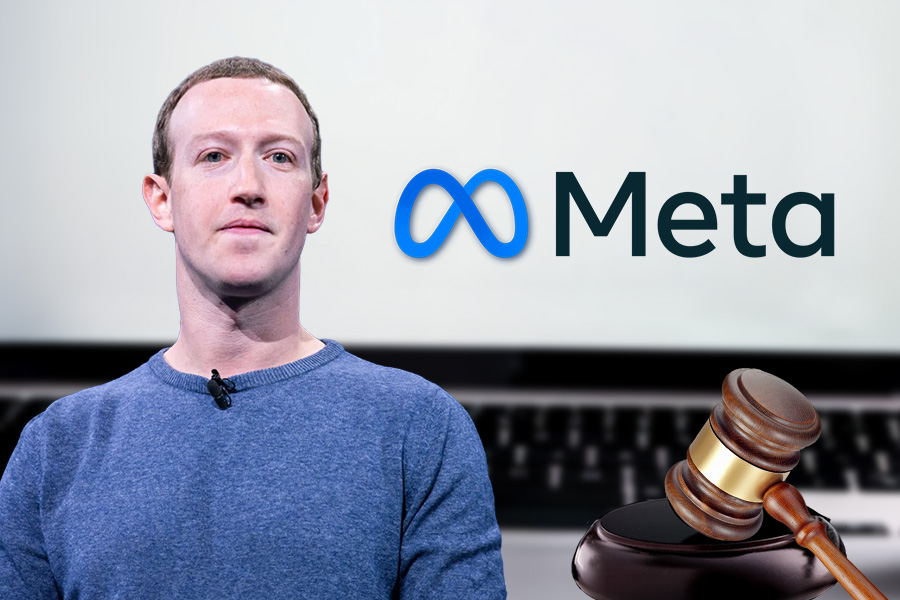
Meta Platforms is facing mounting legal and reputational pressure after a series of courtroom defeats that could have far-reaching implications for artificial intelligence (AI) research, algorithm accountability and consumer safety across the global technology sector.
The rulings, delivered in the United States in March 2026, centre on claims that Meta’s platforms contributed to user harm through addictive design features and insufficient safeguards for younger users. Legal experts say the outcomes may mark a pivotal shift in how courts interpret the responsibility of technology companies in an era increasingly shaped by AI-driven systems.
At the heart of the cases is a growing scrutiny of algorithmic design, AI-powered recommendation engines and platform engagement models — areas that have long driven growth for social media companies but are now under legal examination.
One of the key cases focused on allegations that platform features such as infinite scrolling, autoplay and personalised content recommendations were engineered to maximise user engagement, potentially at the expense of mental health and digital wellbeing.
The verdict signals a broader legal trend: moving beyond content moderation to examine how AI algorithms, machine learning models and behavioural design patterns influence user actions.
This shift places increased emphasis on the role of AI systems in shaping online experiences, raising questions about transparency, accountability and ethical design in digital products.
Beyond financial penalties, the cases have triggered concern within the technology industry about their potential chilling effect on AI research and internal safety studies.
During the trials, internal research documents were used to demonstrate that the company had examined the potential harms associated with its platforms. This has led to a critical debate: if internal findings on AI risk, algorithmic bias and user harm can be used as evidence in litigation, companies may become more cautious about documenting such insights.
Industry analysts warn that this could slow progress in responsible AI development, safety research and algorithm auditing, at a time when transparency is increasingly demanded by regulators and users alike.
The rulings also underscore intensifying expectations around digital consumer protection, online safety frameworks and platform responsibility.
Courts appear more willing to examine whether technology companies have taken adequate steps to mitigate risks associated with their products, particularly for vulnerable groups such as children and teenagers.
This could accelerate the push for stricter AI governance policies, platform safety regulations and compliance standards, not only in the United States but globally.
For years, major technology firms have operated within legal frameworks that offered broad protections regarding user-generated content. However, these latest decisions suggest a shift towards holding companies accountable for the design and impact of AI-driven systems, rather than just the content they host.
The implications could extend across industries reliant on AI algorithms, data-driven personalisation and digital engagement strategies, including social media, e-commerce, streaming platforms and online advertising.
Market observers note that increasing legal exposure could lead to higher compliance costs, slower product rollouts and more cautious innovation cycles in AI development.
Meta’s recent court losses may prove to be more than isolated legal setbacks. They highlight a fundamental shift in how AI technologies, algorithmic systems and digital platforms are evaluated — not just for performance, but for their societal impact.
As scrutiny intensifies, the future of AI innovation may depend as much on legal accountability and ethical design as on technological advancement itself.
Also read: Viksit Workforce for a Viksit Bharat
Do Follow: The Mainstream LinkedIn | The Mainstream Facebook | The Mainstream Youtube | The Mainstream Twitter
About us:
The Mainstream is a premier platform delivering the latest updates and informed perspectives across the technology business and cyber landscape. Built on research-driven, thought leadership and original intellectual property, The Mainstream also curates summits & conferences that convene decision makers to explore how technology reshapes industries and leadership. With a growing presence in India and globally across the Middle East, Africa, ASEAN, the USA, the UK and Australia, The Mainstream carries a vision to bring the latest happenings and insights to 8.2 billion people and to place technology at the centre of conversation for leaders navigating the future.