


India’s artificial intelligence sector is expected to see strong growth as internet access expands, smartphone usage increases and businesses adopt generative AI. However, limited domestic computing infrastructure, rapidly outdated hardware and evolving regulations continue to pose challenges, according to a report by Union Bank of India.
India currently has around 880–900 million internet users, with the number expected to reach 1.2 billion by 2030. The country also has an estimated 700–750 million smartphone users. Generative AI is now part of more than 60 per cent of large IT deals, supporting wider adoption across enterprises.
“India brings a huge talent pool and one of the world’s largest internet user bases to this race, but still lags in indigenous compute infrastructure and foundational models,” the report said.
The report highlighted India’s large technology talent pool, extensive internet and smartphone user base, and established IT services capabilities as key strengths. These factors provide a strong foundation for AI development and the adoption of AI solutions across businesses.
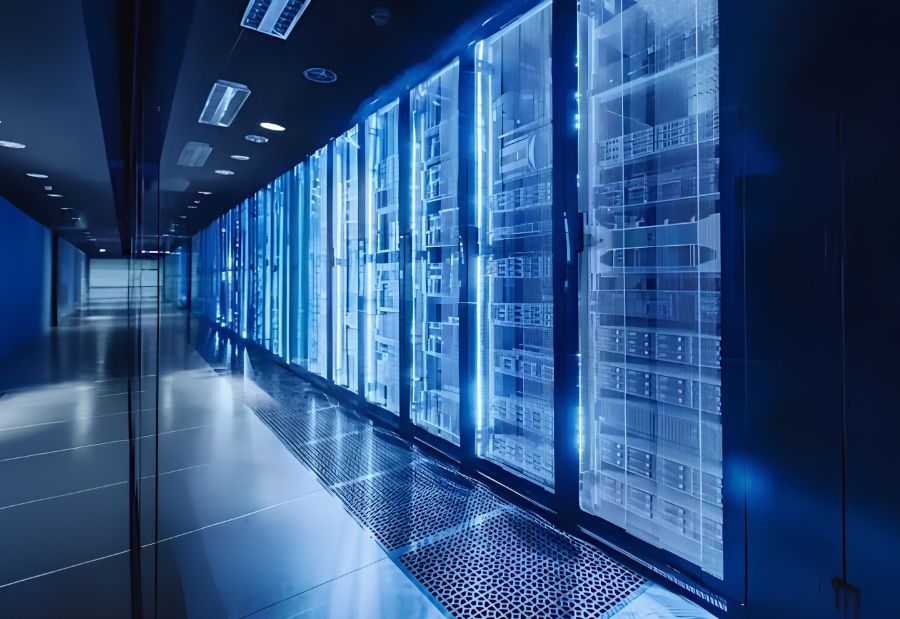
However, domestic manufacturing capacity for computing infrastructure and graphics processing units (GPUs) remains limited. India’s capabilities in developing foundational AI models are also at an early stage compared with the US and China. Meanwhile, evolving data privacy and AI governance frameworks could create further uncertainty for the sector.
The report identified rapid AI hardware obsolescence, with replacement cycles of 18–24 months, as a major risk. Competition for skilled professionals from AI labs in the US and Gulf countries, along with uncertainty around data and AI governance, also threatens the sector’s long-term growth.
Financing needs vary across the AI ecosystem. GPU clusters and computing infrastructure require substantial capital and can be financed through structured debt, sale-leaseback arrangements and hyperscaler funding. Foundational AI model development relies on venture capital, private equity, government grants and corporate research and development funding.
AI software-as-a-service (SaaS) and application companies can access venture capital, venture debt and revenue-based financing. Meanwhile, AI skilling initiatives and Centres of Excellence (CoEs), which require comparatively lower investment, are primarily supported through government grants, corporate social responsibility funding and public-private partnerships.
To strengthen financing support, the lender recommended developing structured and equipment-financing products for GPU clusters and expanding venture-debt partnerships for AI application companies.
Over the next three to five years, demand for financing is expected to shift increasingly towards debt funding for data centres and computing infrastructure as India expands its AI capabilities.
Also read: Viksit Workforce for a Viksit Bharat
Do Follow: The Mainstream LinkedIn | The Mainstream Facebook | The Mainstream Youtube | The Mainstream Twitter
About us:
The Mainstream is a premier platform delivering the latest updates and informed perspectives across the technology business and cyber landscape. Built on research-driven, thought leadership and original intellectual property, The Mainstream also curates summits & conferences that convene decision makers to explore how technology reshapes industries and leadership. With a growing presence in India and globally across the Middle East, Africa, ASEAN, the USA, the UK and Australia, The Mainstream carries a vision to bring the latest happenings and insights to 8.2 billion people and to place technology at the centre of conversation for leaders navigating the future.