


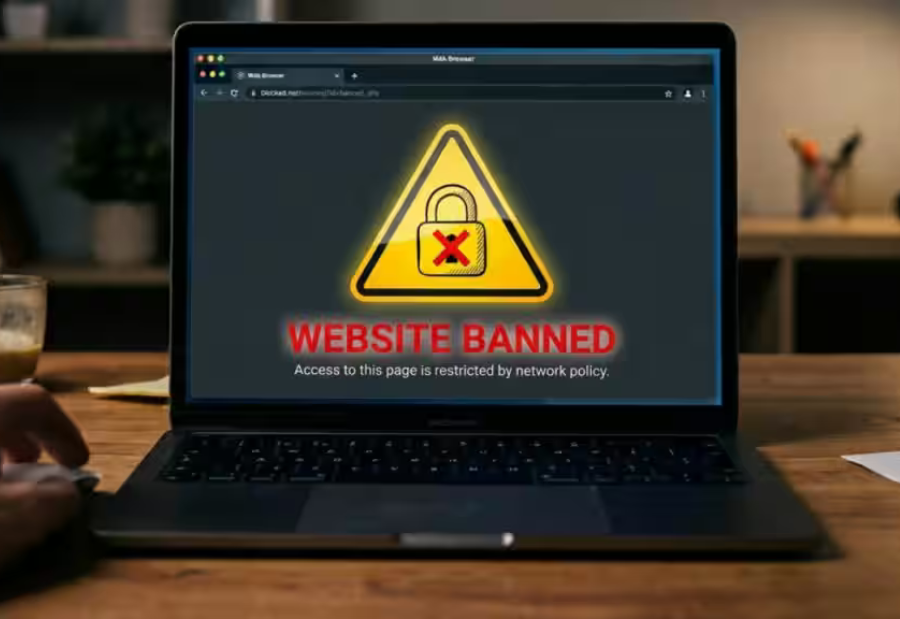
India is intensifying its efforts to curb unlawful online content, with nearly 3 lakh URLs referred to social media platforms for removal between March and July 2026, according to government data cited by officials.
Of the 2.98 lakh URLs referred for takedown, nearly 2.44 lakh, or about 82%, were sent by State authorities. The Indian Cyber Crime Coordination Centre (I4C), under the Ministry of Home Affairs (MHA), separately flagged around 51,000 URLs linked to cyber fraud, critical infrastructure threats and stock-investment scams.
A 2-year analysis by the MHA’s cyber wing identified major categories of unlawful content, including material linked to transnational financial fraud, child sexual abuse material (CSAM) and crimes targeting women and children.
“The findings have prompted agencies to strengthen coordination with social media and other internet intermediaries to ensure faster removal of such content,” officials said.
“Of the 2.98 lakh URLs referred for removal during the four months, nearly 2.44 lakh were sent by State authorities. The remaining referrals included those made by the I4C, particularly in cases involving cybercrime, infrastructure-related threats and stock-investment frauds,” a senior official said. The official also explained that a Uniform Resource Locator (URL) is the web address used to locate an online resource such as a webpage, file or image.
The government has also shortened the response time for intermediaries. “Following an amendment to the Information Technology (Intermediary Guidelines and Digital Media Ethics Code) Rules, 2021, in February 2026, the prescribed takedown period was brought down to 3 hours from the earlier 36 hours,” officials said.
The rules require intermediaries to maintain grievance-redressal systems and provide a 3-tier structure for complaints involving news, current affairs and curated audio-visual content.
The MHA has developed the ‘Sahyog’ portal to automate notices sent by authorised government agencies under the Information Technology Act, 2000. The platform connects agencies with internet intermediaries to speed up the removal or disabling of access to unlawful information and links.
Authorities have also identified cybercrime hotspots including Mewat, Jamtara, Ahmedabad, Hyderabad, Chandigarh, Visakhapatnam and Guwahati. “7 Joint Cyber Coordination Teams (JCCTs) have been constituted in these areas to improve coordination among law-enforcement agencies of States and Union Territories,” officials said.
For financial fraud, the I4C’s Cyber Fraud Mitigation Centre (CFMC) brings together banks, financial intermediaries, payment aggregators, telecom providers, IT intermediaries and law-enforcement agencies for real-time intervention.
Citizens can report cybercrime through helpline 1930 and the national cybercrime reporting mechanism. The MHA’s ‘CyTrain’ platform provides cybercrime, digital forensics and prosecution training to police and judicial officers.
More than 1.63 lakh officers are registered on CyTrain, while over 1.61 lakh certificates have been issued.
Also read: Viksit Workforce for a Viksit Bharat
Do Follow: The Mainstream LinkedIn | The Mainstream Facebook | The Mainstream Youtube | The Mainstream Twitter
About us:
The Mainstream is a premier platform delivering the latest updates and informed perspectives across the technology business and cyber landscape. Built on research-driven, thought leadership and original intellectual property, The Mainstream also curates summits & conferences that convene decision makers to explore how technology reshapes industries and leadership. With a growing presence in India and globally across the Middle East, Africa, ASEAN, the USA, the UK and Australia, The Mainstream carries a vision to bring the latest happenings and insights to 8.2 billion people and to place technology at the centre of conversation for leaders navigating the future.