


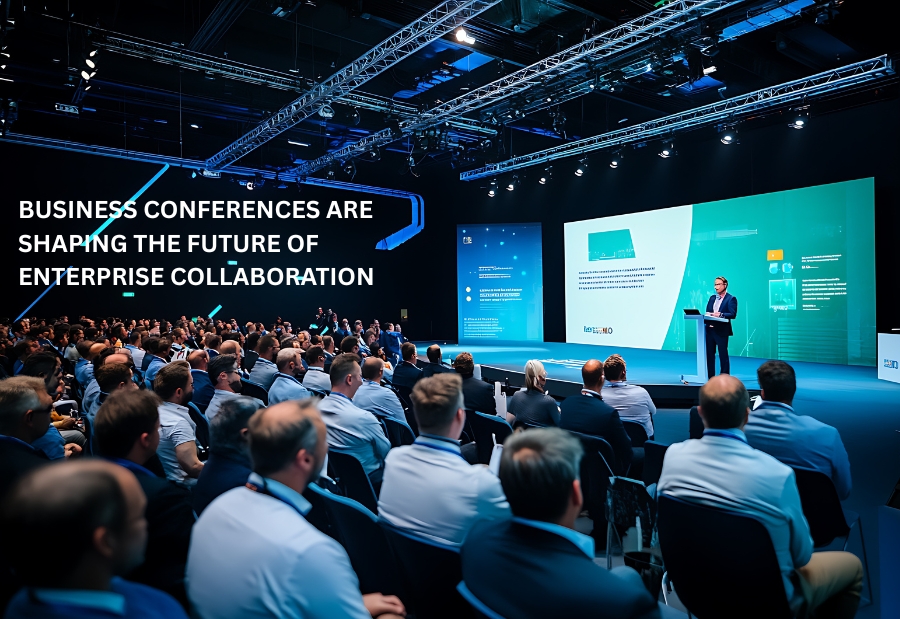
The way enterprises work together is changing. Organizations are no longer operating in isolation. They are partnering with technology providers, collaborating with industry peers and learning from leaders across different sectors. As digital transformation accelerates and business challenges become more complex, collaboration has become a key driver of growth and innovation.
While virtual meetings and digital platforms have made communication easier, they have not replaced the value of in-person interactions. Business conferences continue to play an important role by bringing decision-makers together in one place. They create opportunities to exchange ideas, discuss industry trends and build relationships that can lead to long-term collaboration.
Why collaboration matters more than ever
Modern business challenges often require collective thinking. Issues such as cybersecurity, artificial intelligence, customer experience and changing regulations affect organizations across industries.
No single company has every answer. Enterprise leaders increasingly recognise that learning from peers and working with partners can lead to better decisions and stronger outcomes.
Business conferences provide a setting where these conversations can happen naturally. They encourage open discussions that go beyond presentations and allow leaders to share practical experiences and different perspectives.
This exchange of knowledge helps organizations identify opportunities and approach challenges with fresh ideas.
Breaking down industry boundaries
Many innovations happen when ideas move from one industry to another. A strategy that works in banking may inspire change in healthcare, while manufacturing leaders may adopt practices from the technology sector.
Business conferences create an environment where these connections become possible. By bringing together professionals from different backgrounds, they encourage cross-industry learning and collaboration.
These interactions often challenge traditional thinking and help organizations discover new ways of solving problems. Leaders gain insights that they may not encounter within their own industries, making conferences valuable learning experiences.
Creating meaningful business relationships
Collaboration begins with relationships. Trust and understanding are often built through conversations rather than formal agreements.
Business conferences offer opportunities to meet professionals who share similar interests and challenges. A discussion during a networking session or a panel conversation can become the foundation for future partnerships.
Some of the outcomes that frequently emerge from business conferences include:
- Knowledge sharing and cross-industry learning.
- Strategic partnerships and new business opportunities.
These relationships often continue long after the event, creating networks that support ongoing collaboration and professional growth.
Encouraging innovation through shared experiences
Innovation thrives when people exchange ideas. Hearing how another organization approached a challenge can inspire leaders to explore different strategies within their own businesses.
Business conferences encourage these exchanges by creating spaces where professionals can discuss practical experiences rather than simply focusing on theories or trends.
These conversations often help leaders understand what is working in different industries and why. The result is a broader perspective that supports creative thinking and informed decision-making.
As enterprises continue to face rapid technological and market changes, this ability to learn from others is becoming increasingly valuable.
Building stronger leadership communities
Business conferences do more than create short-term networking opportunities. They contribute to the development of leadership communities.
Enterprise leaders benefit from being part of professional networks that encourage continuous learning and meaningful engagement. Conferences bring together people who can offer insights, share experiences and provide support during periods of change.
Over time, these communities become important sources of knowledge and collaboration. They help leaders remain connected to industry developments and encourage relationships that extend beyond individual events.
The Mainstream’s role in enterprise collaboration
The Mainstream is a global tech media platform focused on enterprise and emerging technology, AI, digital transformation, cybersecurity, governance policy, GCC, Digital Natives, CX, BFSI and FinTech.
Along with delivering trusted industry news and expert insights, The Mainstream creates business events and leadership platforms that bring together professionals from different sectors. These gatherings encourage discussions around innovation, business strategy and emerging opportunities.
By combining content and events, The Mainstream helps enterprise leaders stay informed while also creating opportunities to connect, collaborate and learn from one another.
Conclusion
The future of enterprise growth will increasingly depend on collaboration. Organizations are realising that innovation and resilience often come from learning together and building meaningful partnerships.
Business conferences continue to play a valuable role because they create environments where conversations lead to insights and relationships lead to opportunities. They encourage cross-industry learning, strengthen professional networks and support long-term collaboration.
As businesses navigate an increasingly connected world, conferences will remain an essential part of the enterprise ecosystem, helping leaders build relationships and develop ideas that shape the future of business.