


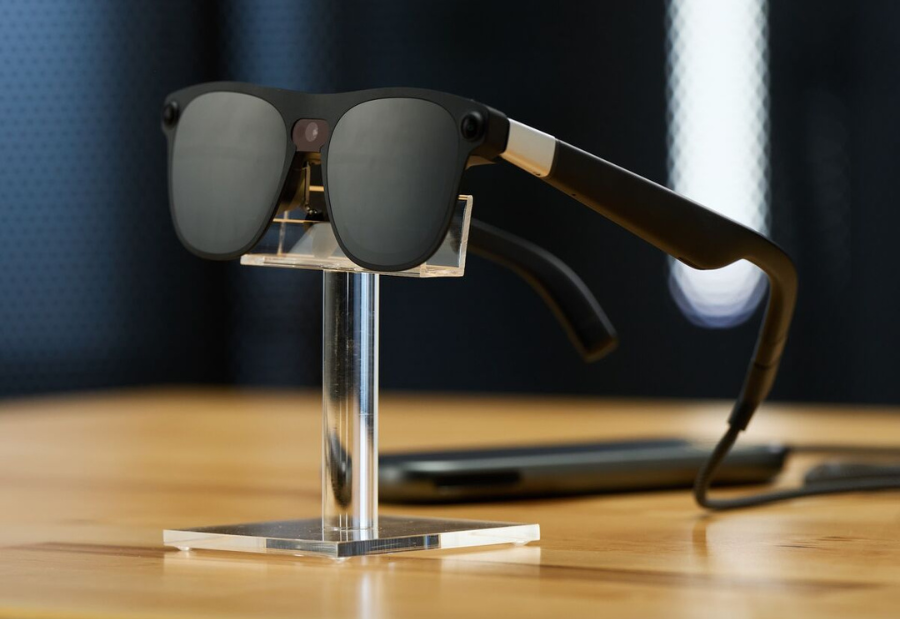
As competition in wearable technology continues to grow, Google has unveiled a new generation of smart glasses that prioritize AI-powered audio assistance over visual displays. Designed for everyday use, the lightweight glasses focus on comfort, accessibility, and seamless integration across devices.
Developed in partnership with Gentle Monster and Warby Parker, the glasses are available in 2 distinct styles. Gentle Monster offers bold, fashion-forward frames, while Warby Parker provides a more subtle and professional look. By removing visual displays, Google has created a lighter device with extended battery life, making it suitable for all-day wear. The glasses are also compatible with both Android and iOS devices.
At the center of the experience is the Gemini AI assistant, which enables hands-free productivity through voice commands. Users can manage schedules, navigate with Google Maps, send emails through Gmail, access third-party services such as DoorDash, track deliveries, set reminders, book appointments, and receive real-time updates about their surroundings. Gemini also uses contextual memory to learn user preferences and deliver more personalized assistance over time.
Google has also outlined plans for future versions of the glasses. Upcoming features are expected to include visual widgets for notifications, augmented reality overlays for navigation and contextual information, and real-time translation with subtitles for multilingual conversations. Deeper integration with Pixel smartphones and Pixel Watch devices is also planned, alongside AI-powered content creation capabilities and Nano Banana image generation tools.
Despite the innovation, several challenges remain. The audio-only experience may not appeal to users who prefer visual interfaces, particularly for tasks that require visual feedback. Pricing is expected to range between $600 and $900, which could limit accessibility for some consumers. Privacy concerns related to data collection and usage may also influence adoption.
The launch marks a strategic step in Google’s effort to strengthen its position in the wearable AI market. By combining practical functionality, stylish design, cross-platform compatibility, and future-focused AI capabilities, the company is aiming to make smart glasses a mainstream technology for daily life.
Also read: Viksit Workforce for a Viksit Bharat
Do Follow: The Mainstream LinkedIn | The Mainstream Facebook | The Mainstream Youtube | The Mainstream Twitter
About us:
The Mainstream is a premier platform delivering the latest updates and informed perspectives across the technology business and cyber landscape. Built on research-driven, thought leadership and original intellectual property, The Mainstream also curates summits & conferences that convene decision makers to explore how technology reshapes industries and leadership. With a growing presence in India and globally across the Middle East, Africa, ASEAN, the USA, the UK and Australia, The Mainstream carries a vision to bring the latest happenings and insights to 8.2 billion people and to place technology at the centre of conversation for leaders navigating the future.