


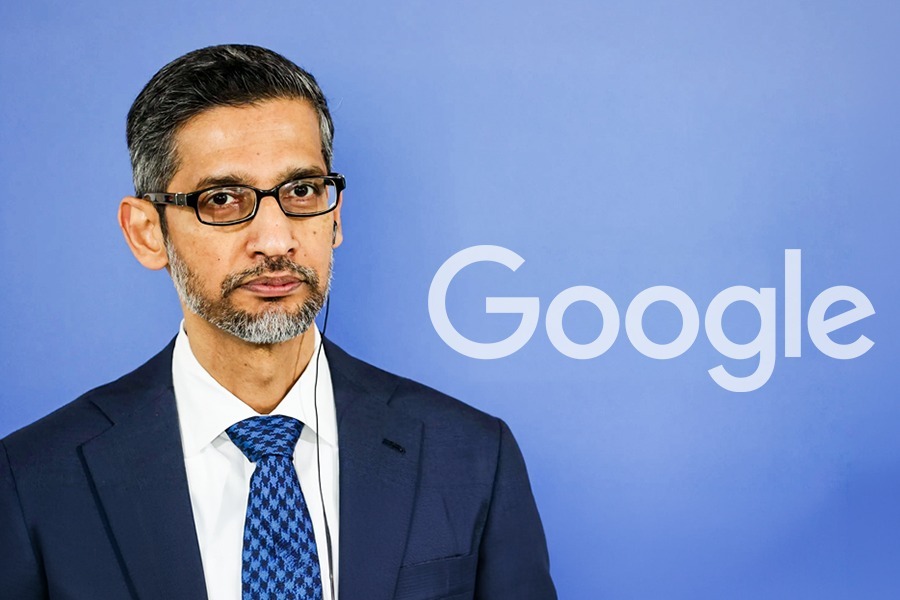
More than 600 employees at Google have signed an internal letter urging CEO Sundar Pichai to reject any classified artificial intelligence contract with the U.S. Department of Defense, citing concerns over ethical risks and lack of oversight.
The letter, reported by sources, highlights growing unease among tech workers about the use of advanced AI systems in military and intelligence operations, particularly when those deployments remain confidential.
Employees argue that classified engagements could prevent adequate internal scrutiny, raising the risk of misuse. The concerns include potential deployment in surveillance systems or lethal autonomous weapons—areas that have long sparked debate across the global AI community.
Unlike commercial or public-sector applications, classified projects typically restrict visibility, limiting both employee awareness and external accountability. Signatories say this opacity contradicts Google’s stated commitment to responsible AI development.
The internal pushback echoes the backlash over Project Maven, a Pentagon initiative that used machine learning to analyse drone footage. That project triggered widespread protests within Google, ultimately leading the company to withdraw from the contract and introduce AI principles governing its work.
However, employees now fear those guardrails may be weakening as competition intensifies in the AI sector and governments accelerate adoption of advanced technologies for defence.
The reported Pentagon engagement comes at a time when major technology companies are increasingly exploring partnerships with defence agencies. The rapid evolution of generative AI systems, including models such as Google’s Gemini, has heightened their strategic value in intelligence, cybersecurity and battlefield decision-making.
While Google has previously maintained that it supports national security efforts within defined ethical boundaries, critics within the company say classified work makes those boundaries difficult to enforce.
The dispute underscores a broader divide across the technology sector, where companies face mounting pressure to balance commercial opportunity with ethical responsibility.
Governments, particularly in the United States, are investing heavily in AI to maintain strategic advantage. At the same time, employees and civil society groups are calling for clearer safeguards, transparency and limits on military applications.
Google has not publicly confirmed details of any classified AI contract under consideration. It has, however, reiterated in past statements that its AI work is guided by principles intended to ensure beneficial and responsible use.
Whether the latest employee pushback will influence leadership decisions remains unclear. But the episode signals a recurring challenge for Big Tech: navigating the fine line between innovation, national security and the ethical deployment of powerful technologies.
Also read: Viksit Workforce for a Viksit Bharat
Do Follow: The Mainstream LinkedIn | The Mainstream Facebook | The Mainstream Youtube | The Mainstream Twitter
About us:
The Mainstream is a premier platform delivering the latest updates and informed perspectives across the technology business and cyber landscape. Built on research-driven, thought leadership and original intellectual property, The Mainstream also curates summits & conferences that convene decision makers to explore how technology reshapes industries and leadership. With a growing presence in India and globally across the Middle East, Africa, ASEAN, the USA, the UK and Australia, The Mainstream carries a vision to bring the latest happenings and insights to 8.2 billion people and to place technology at the centre of conversation for leaders navigating the future.