


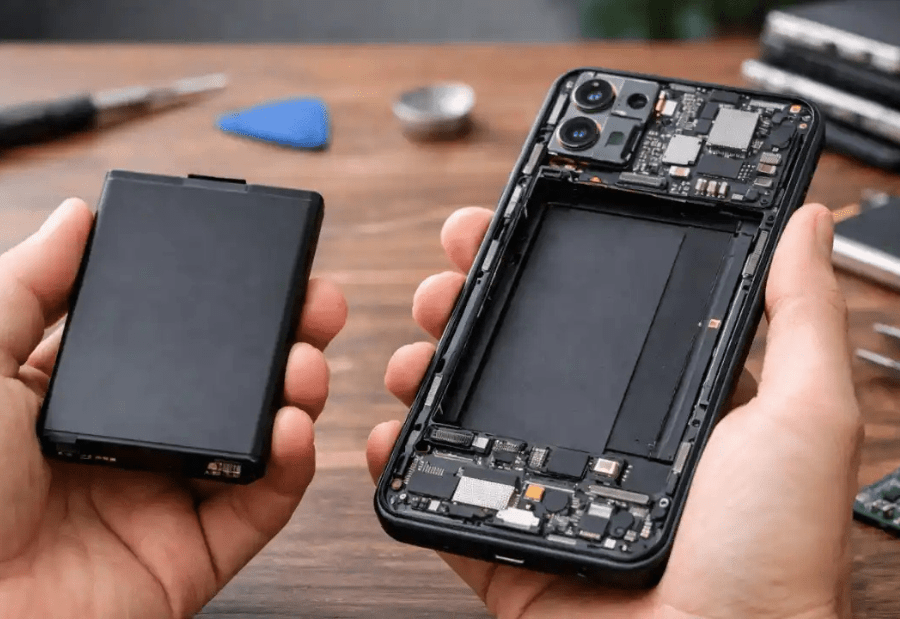
A regulatory shift in Europe could soon influence how smartphones are built and sold in India, even though the rules are not directly enforced in the country.
The European Union is introducing stricter standards covering battery durability, repairability, spare parts access, and longer software support. These rules aim to ensure devices last longer, are easier to fix, and remain usable for years. While the regulations apply to Europe, their global impact is expected to grow, following patterns seen earlier with data privacy laws and USB-C adoption.
This trend, often called the “Brussels effect”, reflects how global companies align products with the strictest major market to reduce costs. Creating separate versions for different regions adds complexity, so manufacturers often standardise designs.
For smartphone makers, this is also a manufacturing decision. Producing EU-specific devices would require separate production lines, different components, and higher costs. As a result, features like durable batteries, easier disassembly, and better repair support may become standard globally.
The EU framework goes beyond batteries. It focuses on overall product design, pushing for stronger build quality, longer-lasting components, and extended software updates. It also promotes better material use and recycling, with tools like battery passports to track product lifecycle data.
In India, similar efforts exist but are not unified. The Right to Repair initiative provides access to repair information, while a proposed repairability index may help consumers compare devices. The E-Waste Management Rules 2022 focus on recycling and extended producer responsibility.
The policy approach differs. The EU follows strict mandates, while India is taking a gradual path with guidelines and transparency. Stronger rules could speed up change but may increase costs in a price-sensitive market.
The impact could grow further with the India–EU Free Trade Agreement finalised in early 2026, covering over 90% of traded goods, including electronics, with rollout expected from 2027.
India is also becoming a key manufacturing hub. Companies like Apple, through partners such as Foxconn, and brands like Nothing are producing devices locally for global markets. Devices made for Europe will need to meet EU standards, making it likely that these designs become the default.
This shift could improve repair access, extend device life, and lower long-term ownership costs. However, higher compliance costs and supply chain changes may affect pricing.
Over time, EU regulations may quietly define how smartphones used in India are designed, built, and maintained.
Also read: Viksit Workforce for a Viksit Bharat
Do Follow: The Mainstream LinkedIn | The Mainstream Facebook | The Mainstream Youtube | The Mainstream Twitter
About us:
The Mainstream is a premier platform delivering the latest updates and informed perspectives across the technology business and cyber landscape. Built on research-driven, thought leadership and original intellectual property, The Mainstream also curates summits & conferences that convene decision makers to explore how technology reshapes industries and leadership. With a growing presence in India and globally across the Middle East, Africa, ASEAN, the USA, the UK and Australia, The Mainstream carries a vision to bring the latest happenings and insights to 8.2 billion people and to place technology at the centre of conversation for leaders navigating the future.