


One of the biggest misconceptions about the role of a CFO is that we are responsible for counting the harvest. In reality, the best CFOs spend far more time preparing the soil than measuring the crop.
Every business is like a garden.
Growth is the visible fruit. Profitability is the quality of the harvest. Long-term value is whether the garden continues to flourish season after season.
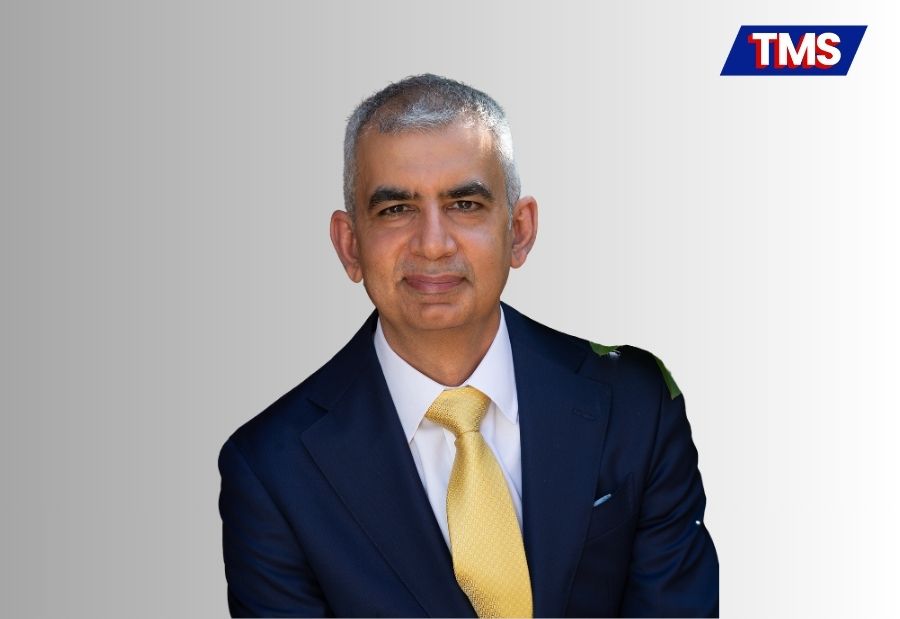
In an exclusive conversation with The Mainstream, Rajat Chibber, CFO, Lodha Group UK, shares his perspective on the evolving role of the modern CFO, drawing on the importance of thoughtful capital allocation, technology and AI adoption, cross-functional collaboration and building organisational resilience. He highlights how finance leaders can move beyond financial stewardship to create the right conditions for sustainable growth and long-term value creation.
The challenge today is that the weather has become increasingly unpredictable. Geopolitical uncertainty, changing regulations, technological disruption and the rapid emergence of AI mean that yesterday’s growing conditions can change overnight. We cannot control the weather, but we can prepare the soil, choose the right seeds and ensure the garden remains resilient regardless of the season.
That is how I think about capital allocation.
Capital is never unlimited. Every investment is a seed. Some seeds produce quick results, others take years to mature and some never grow. The responsibility of the modern CFO is not simply to decide where money goes, but to improve the quality of the decisions behind every investment. Good judgement becomes more valuable than abundant capital.
Every seed also has a cost. Whether capital comes from shareholders or lenders, it carries an expectation of return. Sustainable growth is created only when investments consistently generate value above their true cost of capital. That requires patience, discipline and a medium-term perspective rather than chasing short-term gains. The mathematics of finance may be straightforward, but the judgement behind capital allocation rarely is.
Technology investments are a perfect example. Too often organisations evaluate technology by looking only at the purchase price or projected savings. Buying technology is simply planting a seed. The real question is whether the organisation has the right environment for that seed to grow. Have we redesigned our processes? Are our people ready with the required capabilities? Will the technology scale as the business grows? Have we considered the long-term cost of maintaining, governing and continuously improving it? The investment succeeds only when the organisation evolves alongside the technology.
AI has reinforced this lesson. Providing every employee with an AI licence does not automatically create an AI-enabled organisation, just as giving every child access to a library does not guarantee they become great thinkers. Technology creates opportunity, but capability creates value. The organisations that will benefit most from AI will be those that invest as much in curiosity, learning and decision-making as they do in software. The real return on AI will not come from the technology itself, but from how effectively people learn to apply it.
This also changes the relationship between finance, procurement, technology and the business. None of these functions exists for its own purpose. Finance is not there for finance. Procurement is not there for procurement. Technology is not there for technology. They all exist to help the business achieve its strategic objectives. When everyone understands the common destination, decisions become faster, collaboration improves and investment choices become more effective.
Looking ahead, I believe the role of the CFO will continue to evolve beyond stewardship of financial capital. We will increasingly become stewards of organisational capability. Financial resilience will always matter, but resilience is no longer built only through strong balance sheets. It is built through adaptable people, scalable technology, disciplined capital allocation and a culture of continuous learning. The CFO’s role is no longer just to protect value, but to create the conditions in which value can grow sustainably.
The harvest is what the world sees. The soil is what the CFO nurtures. Markets may celebrate quarterly results, but enduring organisations are built over years through disciplined investment, thoughtful leadership and the courage to think beyond the next reporting cycle. Lasting value is created by patiently cultivating the conditions that allow businesses to flourish year after year.
That, to me, is the responsibility of the modern CFO.
– By Rajat Chibber, CFO, Lodha Group UK (Views expressed are personal)
Also read: Viksit Workforce for a Viksit Bharat
Do Follow: The Mainstream LinkedIn | The Mainstream Facebook | The Mainstream Youtube | The Mainstream Twitter
About us:
The Mainstream is a premier platform delivering the latest updates and informed perspectives across the technology business and cyber landscape. Built on research-driven, thought leadership and original intellectual property, The Mainstream also curates summits & conferences that convene decision makers to explore how technology reshapes industries and leadership. With a growing presence in India and globally across the Middle East, Africa, ASEAN, the USA, the UK and Australia, The Mainstream carries a vision to bring the latest happenings and insights to 8.2 billion people and to place technology at the centre of conversation for leaders navigating the future.