


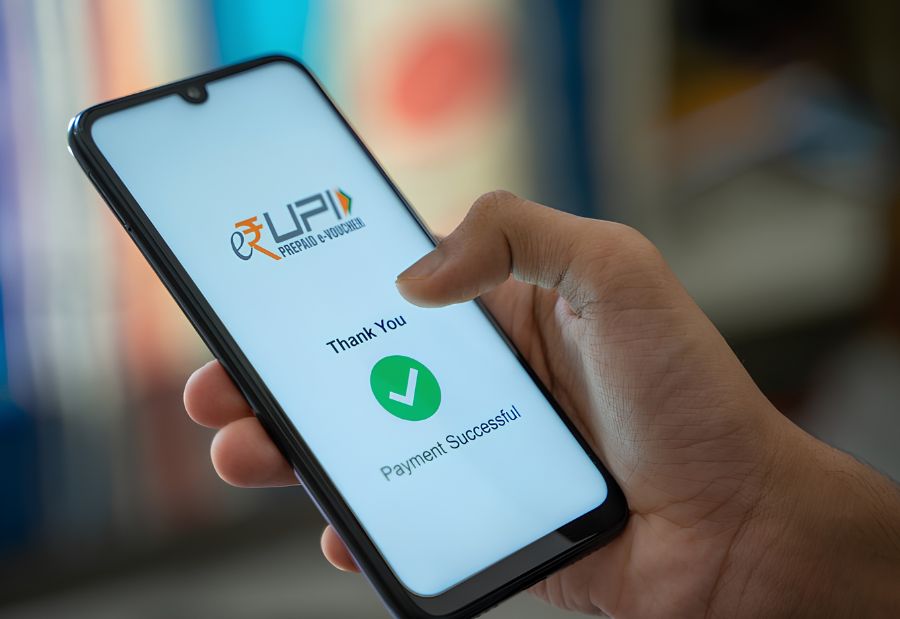
The Government has proposed amendments to the Payment and Settlement Systems (PSS) Act, 2007, giving it the flexibility to decide which digital payment methods will continue to remain exempt from transaction charges.
The move has sparked speculation about the possible return of the Merchant Discount Rate (MDR) on select UPI and RuPay debit card transactions.
The proposal, introduced through the Taxation and Other Laws (Amendment) Bill, 2026, was tabled in Parliament on Tuesday. It seeks to amend Section 10A of the PSS Act by removing the legal provision that currently prevents banks and payment system providers from charging fees on electronic payment modes notified under Section 269SU of the Income-tax Act.
At present, businesses with an annual turnover above ₹50 crore must provide specified digital payment options, including BHIM-UPI, UPI QR codes, and RuPay debit cards. Section 10A also bars banks and payment providers from charging fees on transactions made through these payment methods.
The proposed amendment does not automatically bring back MDR. Instead, it gives the government the legal authority to decide through future notifications whether any digital payment instrument should continue to enjoy exemption from transaction charges.
However, the proposal has raised expectations within the banking and payments industry that MDR could return for certain transactions. According to industry sources, the government may consider charging 0.3%–0.5% MDR on transactions above ₹2,000, while continuing to protect small merchants and low-value payments.
MDR, a fee paid by merchants to banks and payment service providers for processing digital transactions, was removed on UPI and RuPay debit card payments in January 2020 to encourage digital payment adoption. While this significantly increased transaction volumes, banks and payment companies have argued that the zero-MDR model is not financially sustainable. Although MDR is charged to merchants, it could indirectly affect consumers through higher product or service prices.
To support the ecosystem, the government introduced an incentive scheme for eligible RuPay debit card and BHIM-UPI Person-to-Merchant (P2M) transactions of up to ₹2,000, reimbursing banks at up to 0.15% of the transaction value.
A Parliamentary Standing Committee on Finance, in its March 2026 report, highlighted concerns over the long-term sustainability of the zero-MDR regime. It noted that transactions above ₹2,000 account for 67% of UPI transaction value, while incentives during FY22–FY25 covered only 11% of processing costs and around 14% of the potential MDR revenue lost.
A banking industry source said, “For banks and payment service providers who have absorbed processing costs for years (across technical infrastructure, cybersecurity, risk management, etc) without direct monetisation, MDR could unlock a sustainable revenue model, potentially generating around ₹5,000 crore annually. The government and regulator, however, may seek to protect the inclusion gains of recent years through appropriate caps.”
Also read: Viksit Workforce for a Viksit Bharat
Do Follow: The Mainstream LinkedIn | The Mainstream Facebook | The Mainstream Youtube | The Mainstream Twitter
About us:
The Mainstream is a premier platform delivering the latest updates and informed perspectives across the technology business and cyber landscape. Built on research-driven, thought leadership and original intellectual property, The Mainstream also curates summits & conferences that convene decision makers to explore how technology reshapes industries and leadership. With a growing presence in India and globally across the Middle East, Africa, ASEAN, the USA, the UK and Australia, The Mainstream carries a vision to bring the latest happenings and insights to 8.2 billion people and to place technology at the centre of conversation for leaders navigating the future.