


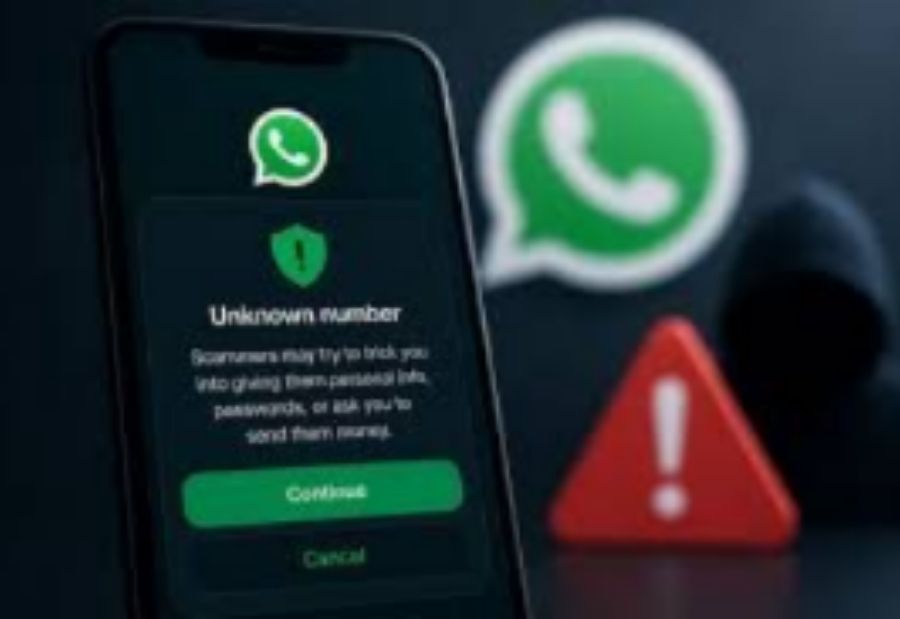
Meta’s WhatsApp messaging giant is testing a proactive safety feature aimed at stopping scams before conversations even begin
By Simran Shiwalkar
The next big upgrade to WhatsApp may not be about artificial intelligence, channels or usernames. Instead, it could focus on something far more valuable in today’s digital world: trust.
WhatsApp is reportedly rolling out a new warning feature that alerts users before they initiate conversations with unfamiliar phone numbers. While the update may appear minor on the surface, it reflects a broader shift in how technology platforms are tackling the growing threat of online scams and impersonation attempts.
According to reports, users attempting to message a number that is not saved in their contacts may now see additional information before a chat opens. The warning can display details such as the country where the number is registered, whether the contact exists in the user’s address book and whether both parties share common WhatsApp groups. Users can then decide whether to proceed or exit the conversation.
The move comes at a time when cybercriminals are increasingly using messaging platforms to target unsuspecting users. Fraudsters often rely on simple but effective tactics, including pretending to be a friend, colleague or family member who has supposedly changed their phone number. By creating a moment of pause before a conversation begins, WhatsApp hopes to encourage users to verify unfamiliar contacts rather than react impulsively.
What makes the feature notable is its timing.
Most security tools on messaging apps activate after a message has been received or reported. This new warning system intervenes before a conversation gains momentum, targeting the exact point where many scams begin. Instead of reacting to suspicious activity, WhatsApp is attempting to prevent it altogether.
The initiative also aligns with Meta’s wider push towards privacy and user protection. In recent years, WhatsApp has introduced features such as silencing calls from unknown numbers, chat locks, disappearing messages and enhanced privacy controls. The latest warning screen appears to be another layer in the company’s evolving security strategy.
However, the feature is unlikely to eliminate scams completely.
Not every unfamiliar number is dangerous, and not every scammer uses a number that appears suspicious. Cybersecurity experts frequently note that social engineering attacks succeed because they exploit human behaviour rather than technical vulnerabilities. As a result, awareness and caution will remain just as important as platform safeguards.
For WhatsApp’s billions of users, though, the update represents a subtle but significant change. The platform is no longer simply delivering messages. It is beginning to help users assess whether a conversation should happen at all.
In an era where digital trust is increasingly under pressure, that extra warning could prove to be one of WhatsApp’s most important messages yet.
Also read: Viksit Workforce for a Viksit Bharat
Do Follow: The Mainstream LinkedIn | The Mainstream Facebook | The Mainstream Youtube | The Mainstream Twitter
About us:
The Mainstream is a premier platform delivering the latest updates and informed perspectives across the technology business and cyber landscape. Built on research-driven, thought leadership and original intellectual property, The Mainstream also curates summits & conferences that convene decision makers to explore how technology reshapes industries and leadership. With a growing presence in India and globally across the Middle East, Africa, ASEAN, the USA, the UK and Australia, The Mainstream carries a vision to bring the latest happenings and insights to 8.2 billion people and to place technology at the centre of conversation for leaders navigating the future.