


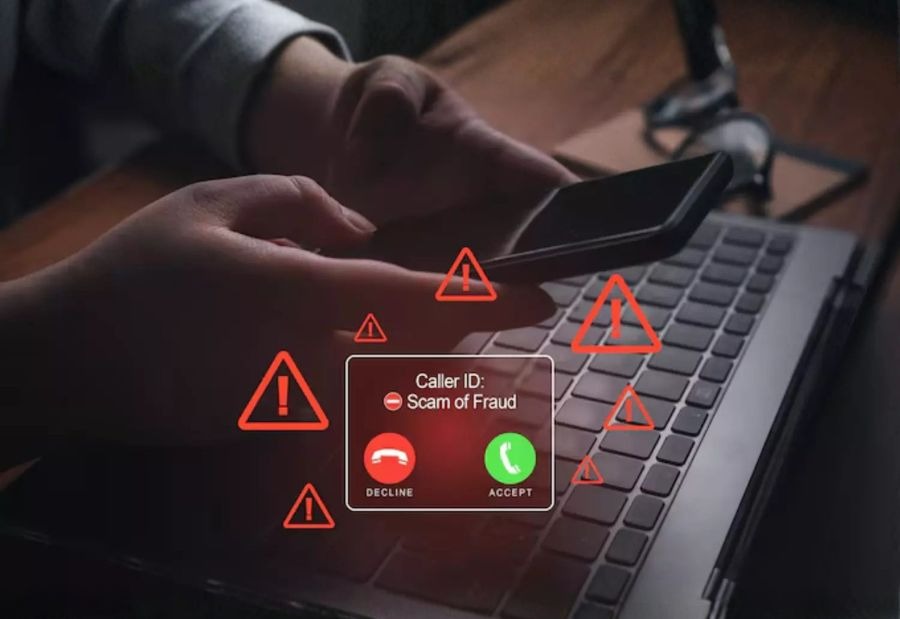
As mobile usage continues to grow, spam calls are becoming a major concern for users across India. A recent global report shows that the country now ranks 5th worldwide in terms of unwanted and fraudulent calls, highlighting the increasing digital risks faced by users.
The report reveals that more than 68 billion spam and fraud-related calls were recorded globally in 2025. In India, nearly 66% of users reported receiving such calls, showing how widespread the issue has become.
Indonesia tops the list of the most affected countries, followed by Chile, Vietnam, and Brazil, with India ranking 5th. This trend indicates that spam calls are a growing global problem, not limited to any one region.
Experts say factors like rapid digital adoption, expansion of online services, and frequent data leaks are driving this surge. In India, the large number of mobile users makes the impact even more significant.
In terms of call types, around 36% of spam calls in India are linked to telemarketing and commercial promotions. These include offers related to insurance, loans, and credit cards. About 18% of calls are related to financial services such as banking offers, investment plans, and loan schemes. Nearly 12% fall under fraud, where the goal is to trick users into sharing sensitive information or money.
Spam callers often use auto-dialing systems and large databases of phone numbers. Many times, this data is obtained through leaks or illegal sources. Fraudsters also impersonate bank officials, government representatives, or company agents to gain trust.
New scam tactics like “digital arrest,” “KYC update,” and “loan approval” calls are rising quickly. These are designed to sound urgent and convincing, making it easier for people to fall victim.
Cybercrime expert and former IPS officer Prof. Triveni Singh said, “Spam calls today are not limited to marketing; they are increasingly being used as tools for large-scale financial fraud. Cybercriminals use social engineering techniques to create psychological pressure and manipulate victims into sharing sensitive information.” He added that fraudsters often create fear by pretending to be authorities.
Experts advise users to stay cautious. Avoid sharing personal details on unknown calls, use call-blocking features, and report suspicious numbers. Users should also avoid sharing phone numbers on untrusted platforms and report any doubtful calls to help prevent further fraud.
Also read: Viksit Workforce for a Viksit Bharat
Do Follow: The Mainstream LinkedIn | The Mainstream Facebook | The Mainstream Youtube | The Mainstream Twitter
About us:
The Mainstream is a premier platform delivering the latest updates and informed perspectives across the technology business and cyber landscape. Built on research-driven, thought leadership and original intellectual property, The Mainstream also curates summits & conferences that convene decision makers to explore how technology reshapes industries and leadership. With a growing presence in India and globally across the Middle East, Africa, ASEAN, the USA, the UK and Australia, The Mainstream carries a vision to bring the latest happenings and insights to 8.2 billion people and to place technology at the centre of conversation for leaders navigating the future.