


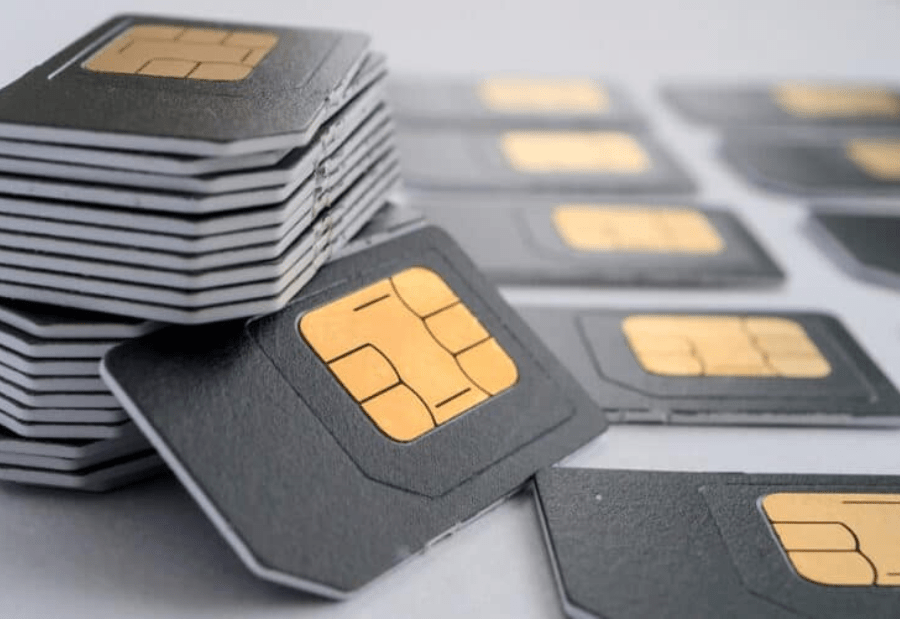
A disturbing cyber fraud pattern has surfaced in Bihar’s West Champaran district, where scammers are exploiting mobile number porting to gain access to victims’ bank accounts and steal money without immediate detection.
Officials have reported multiple complaints over the past few months, showing a consistent trend. Authorities believe this is not a set of isolated cases but part of a well-organized cybercrime network. Alerts have been issued to the district administration and the education department to increase awareness and prevent further incidents.
The scam usually begins with a phone call. Fraudsters pose as officials from the education department or related bodies. They use convincing language and create urgency around verification, updates, or compliance requirements.
During the call, victims are persuaded to share sensitive information or follow instructions. In some cases, scammers obtain OTPs or authentication details. These are then used to initiate SIM swap or mobile number porting to another telecom operator controlled by the fraudsters.
Once completed, the victim’s mobile number is transferred to the scammer.
A mobile number is directly linked to banking systems through OTPs, alerts, and password resets. After gaining control, fraudsters intercept OTPs, reset banking credentials, access financial apps, and approve transactions.
Victims often do not realise the fraud immediately, as they stop receiving alerts. By the time they notice, money has already been withdrawn.
This method is highly dangerous because it does not require direct bank details. Control of the mobile number becomes enough to access the entire financial system.
Authorities say teachers are being specifically targeted because their contact details are often available through institutional or semi-public platforms. Scammers also exploit trust by using official names, making the calls appear genuine and reducing suspicion.
To tackle the issue, local cyber authorities have issued advisories and are planning block-level meetings and workshops to spread awareness among teachers.
Citizens are advised not to trust unknown calls or messages and to verify all communications. Any suspicious activity should be reported immediately to cybercrime units or local authorities.
Experts recommend using only official channels for mobile number porting. Sudden loss of network or SIM failure can be a warning sign of unauthorized porting.
Users should never share OTPs, banking details, or SIM-related information with unknown callers. Reading SMS alerts carefully and acting quickly on unusual activity can help prevent losses.
Enabling two-factor authentication and staying in touch with service providers for account-related concerns can add an extra layer of security.
Also read: Viksit Workforce for a Viksit Bharat
Do Follow: The Mainstream LinkedIn | The Mainstream Facebook | The Mainstream Youtube | The Mainstream Twitter
About us:
The Mainstream is a premier platform delivering the latest updates and informed perspectives across the technology business and cyber landscape. Built on research-driven, thought leadership and original intellectual property, The Mainstream also curates summits & conferences that convene decision makers to explore how technology reshapes industries and leadership. With a growing presence in India and globally across the Middle East, Africa, ASEAN, the USA, the UK and Australia, The Mainstream carries a vision to bring the latest happenings and insights to 8.2 billion people and to place technology at the centre of conversation for leaders navigating the future.