


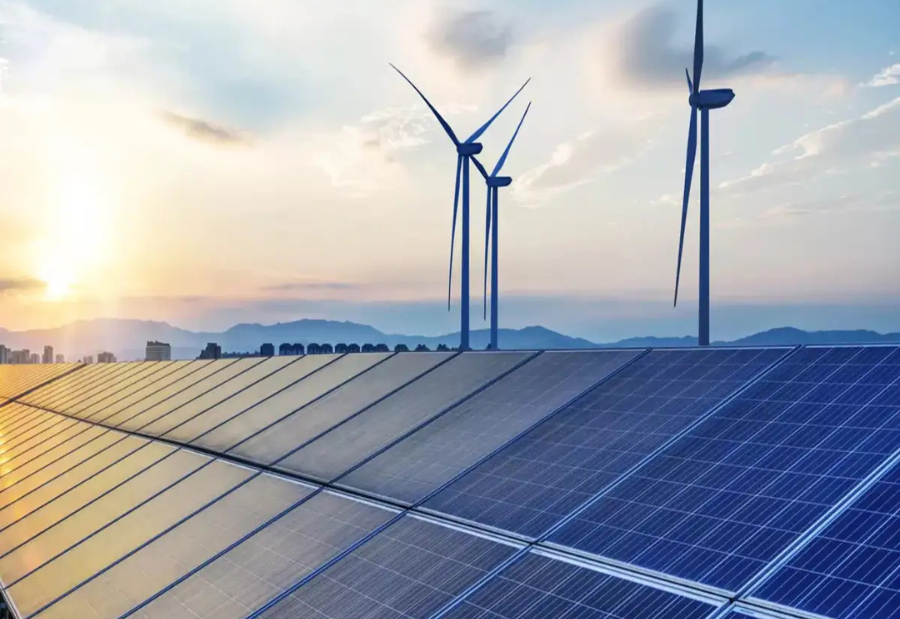
A shift is underway in India’s energy narrative, moving beyond supply and cost concerns to a deeper focus on control and self-reliance. This change gained momentum around 2022, when global energy disruptions exposed the risks of depending on external sources. Today, the question is no longer just about capacity, but about securing an independent energy future.
India is not starting from scratch. The country has over 748 GW of solar potential, while installed renewable capacity has crossed 200 GW. The government’s target of 500 GW non-fossil capacity by 2030 is backed by real investment, with over $15 billion flowing into the energy sector in 2023 alone.
Most of this capital is directed toward large-scale infrastructure such as solar plants, grid expansion, and storage. However, a growing layer of innovation is emerging beneath this. Companies are solving practical challenges that impact real-world adoption.
For example, Exponent Energy is addressing EV adoption challenges for commercial fleets. Kazam is focusing on software coordination for charging networks. SolarSquare is scaling rooftop solar for homes by improving installation and financing. Minimines is working on Li-ion battery recycling to manage rising waste from EV growth. These companies are tackling specific, ground-level problems rather than broad themes.
At the same time, rural India remains a largely untapped opportunity. Over 160 million people still lack reliable electricity. In states like Uttar Pradesh, Bihar, West Bengal, and Rajasthan, diesel continues to power irrigation and small businesses due to lack of alternatives. This reflects not just a gap, but a significant unserved market.
Globally, the energy transition will require over $3 trillion in investment by 2030. Solutions developed in India could scale internationally, especially those built for resource-constrained environments.
India’s energy import dependency has increased from 20% to 40% over the last 25 years, highlighting the urgency of change. Electrification, distributed solar, storage, and smarter grids are now essential economic infrastructure.
Despite this, early-stage innovation in energy remains underfunded. Investors have been cautious due to long timelines and uncertainty. However, the cost of inaction is growing. The need now is for patient and informed capital to support scalable solutions.
The outlook remains positive, as new ideas and entrepreneurs continue to emerge. As energy gains importance, the shift toward domestic innovation is expected to accelerate.
Also read: Viksit Workforce for a Viksit Bharat
Do Follow: The Mainstream LinkedIn | The Mainstream Facebook | The Mainstream Youtube | The Mainstream Twitter
About us:
The Mainstream is a premier platform delivering the latest updates and informed perspectives across the technology business and cyber landscape. Built on research-driven, thought leadership and original intellectual property, The Mainstream also curates summits & conferences that convene decision makers to explore how technology reshapes industries and leadership. With a growing presence in India and globally across the Middle East, Africa, ASEAN, the USA, the UK and Australia, The Mainstream carries a vision to bring the latest happenings and insights to 8.2 billion people and to place technology at the centre of conversation for leaders navigating the future.