


As India explores direct satellite connectivity for smartphones, the country’s plans around direct-to-device (D2D) technology are facing major challenges linked to hardware limitations and global regulatory standards.
India’s Department of Telecommunications has reportedly held informal discussions with Apple and Google to understand the feasibility of enabling satellite communication directly on smartphones.
D2D technology allows smartphones to connect directly with satellites instead of relying on mobile towers. The idea is aimed at improving connectivity in remote locations and disaster-hit areas where traditional networks are unavailable.
However, experts say D2D is far more complex than standard 4G or 5G services. Satellite communication involves longer distances, weaker signals and different spectrum requirements, which means smartphones need specialised hardware and stronger power management systems.
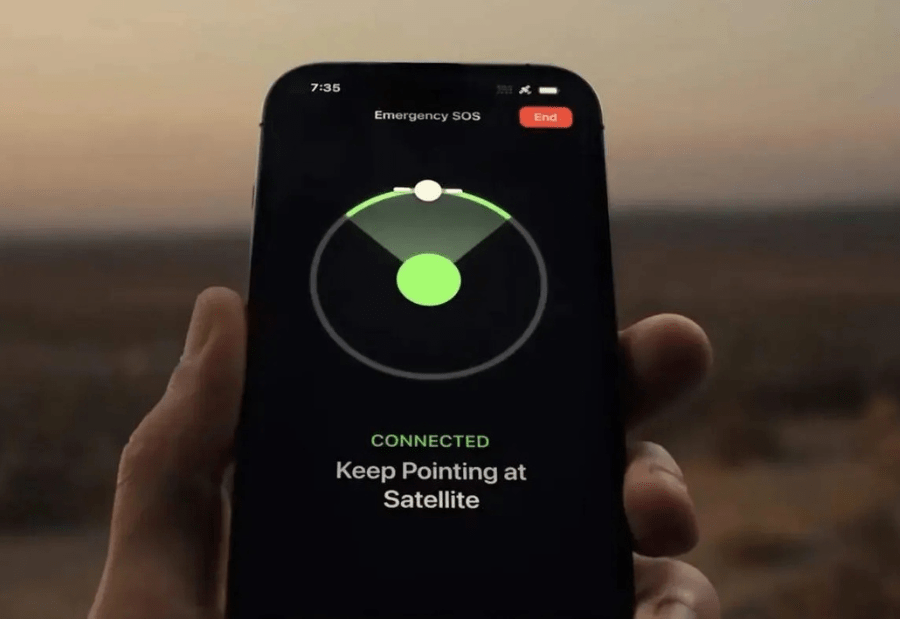
A major debate in India currently revolves around the difference between satellite-based SOS services and full-scale D2D communication. Emergency SOS features are designed only for crisis situations and operate on globally standardised Mobile Satellite Service spectrum. Full D2D systems, however, are expected to support regular voice, messaging and data services over satellite networks.
This distinction is important because companies like Apple and Google design smartphone hardware for global markets, not country-specific requirements. Reports suggest both companies raised concerns that India-specific D2D rules could require separate hardware design, testing and certification processes.
Current smartphone hardware also presents several limitations. Satellite communication needs higher transmission power, advanced antenna systems and reliable signal management, all of which can impact battery life, device size and performance.
Globally, satellite-to-phone services are already expanding. Apple introduced Emergency SOS via satellite with the iPhone 14 in 2022 through Globalstar. Meanwhile, SpaceX is developing “Direct to Cell” satellite connectivity with T-Mobile in the US.
India is also separately testing direct-to-mobile (D2M) broadcasting technology for content delivery and emergency alerts. Unlike D2D, D2M is a one-way broadcast system and requires additional hardware components inside smartphones.
Experts believe both D2D and D2M will remain limited to pilot projects and niche use cases in the near term until global standards, regulations and smartphone hardware evolve further.
Also read: Viksit Workforce for a Viksit Bharat
Do Follow: The Mainstream LinkedIn | The Mainstream Facebook | The Mainstream Youtube | The Mainstream Twitter
About us:
The Mainstream is a premier platform delivering the latest updates and informed perspectives across the technology business and cyber landscape. Built on research-driven, thought leadership and original intellectual property, The Mainstream also curates summits & conferences that convene decision makers to explore how technology reshapes industries and leadership. With a growing presence in India and globally across the Middle East, Africa, ASEAN, the USA, the UK and Australia, The Mainstream carries a vision to bring the latest happenings and insights to 8.2 billion people and to place technology at the centre of conversation for leaders navigating the future.