


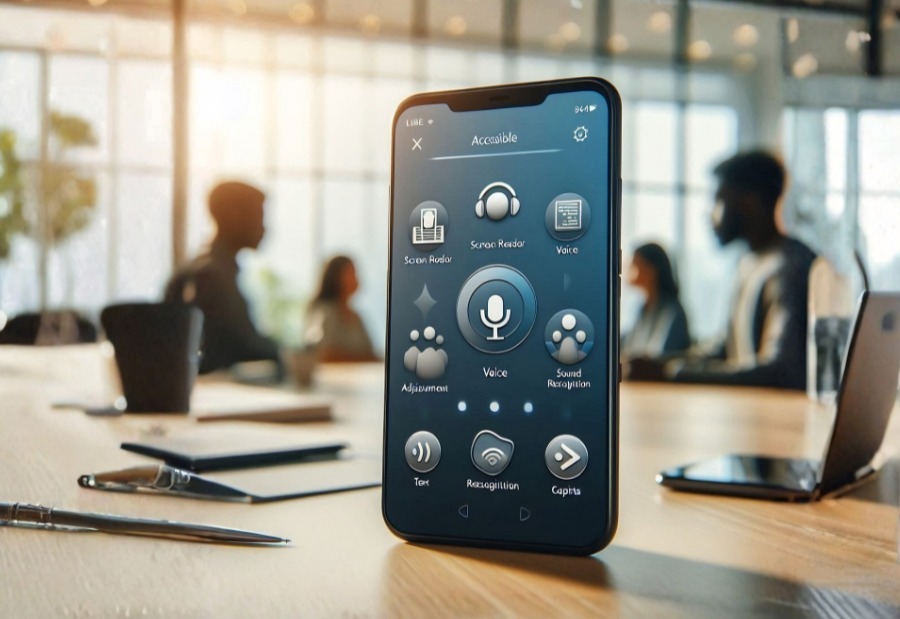
In a technology landscape largely designed with younger users in mind, accessibility features are emerging as a powerful equaliser. A recent guide by sources highlights how built-in tools across smartphones and computers are making digital devices more usable for ageing parents, often without users even realising they exist.
While accessibility has traditionally been associated with supporting people with disabilities, it is now shaping mainstream product design. Features such as voice assistants, live captions and screen readers, originally created for specific needs, are increasingly benefiting a wider audience, including older adults navigating digital platforms.
Accessibility as a driver of mainstream innovation
The growing emphasis on accessibility is not accidental. Regulatory pressure, along with advocacy from organisations and governments, has pushed technology companies to rethink how products are designed. The result is a shift towards inclusivity that improves usability for everyone.
Modern devices, ranging from smartphones to laptops, now come equipped with a range of accessibility tools. However, awareness remains low, particularly among older users who could benefit the most.
Simplifying smartphones for seniors
One of the most notable developments is the introduction of simplified user interfaces. For instance, Assistive Access allows users to reduce the complexity of their device by displaying only essential apps in larger, clearer formats. This makes navigation easier and minimises the chances of accidental actions.
Similarly, some Android devices offer simplified modes that increase text size, enhance icon visibility and streamline navigation. These features are particularly useful for users who may struggle with small screens, complex gestures or dense app layouts.
Everyday tools, hidden in plain sight
Many accessibility settings are already embedded within devices but remain underutilised because they are buried deep within system menus. Features like text-to-speech, magnification, high-contrast displays and voice-based controls can significantly enhance usability for ageing users.
These tools are not limited to assisting with impairments. They also improve convenience, for instance, enabling hands-free interaction or making content easier to read in challenging environments.
Bridging the digital divide for older adults
As digital services, from banking to communication, become essential, ensuring accessibility for older adults is increasingly critical. Despite holding significant purchasing power, this demographic is often overlooked in product design and marketing.
By making accessibility a core feature rather than an afterthought, technology companies are not only addressing inclusivity but also expanding their user base.
The bigger picture
Accessibility is no longer a niche feature, it is a foundational aspect of modern technology. As devices become more integral to everyday life, designing for inclusivity will define how effectively technology serves diverse user groups.
For ageing parents, these small adjustments can make a meaningful difference, transforming devices from intimidating tools into accessible, empowering companions.
Also read: Viksit Workforce for a Viksit Bharat
Do Follow: The Mainstream LinkedIn | The Mainstream Facebook | The Mainstream Youtube | The Mainstream Twitter
About us:
The Mainstream is a premier platform delivering the latest updates and informed perspectives across the technology business and cyber landscape. Built on research-driven, thought leadership and original intellectual property, The Mainstream also curates summits & conferences that convene decision makers to explore how technology reshapes industries and leadership. With a growing presence in India and globally across the Middle East, Africa, ASEAN, the USA, the UK and Australia, The Mainstream carries a vision to bring the latest happenings and insights to 8.2 billion people and to place technology at the centre of conversation for leaders navigating the future.