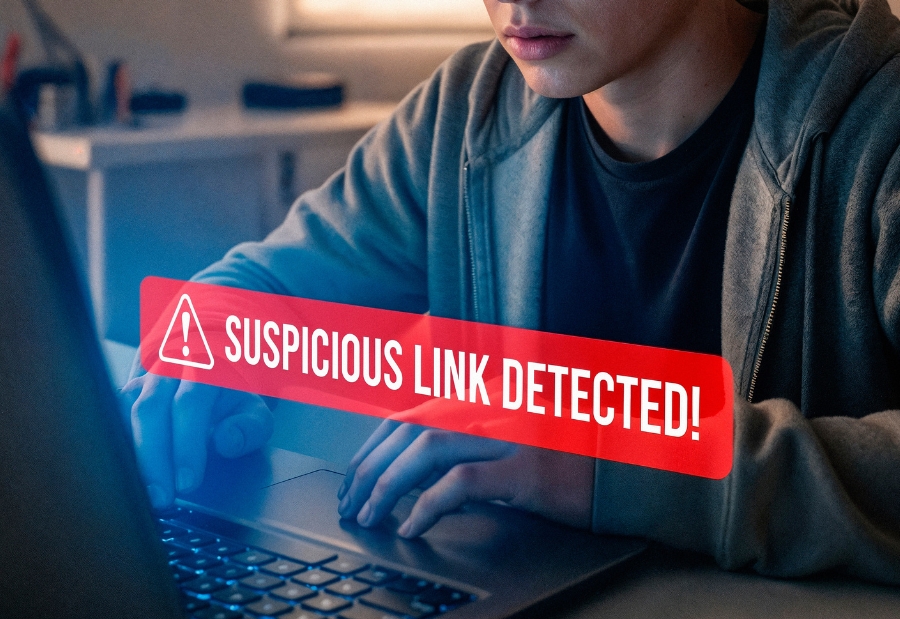
Most cyber scams don’t start with something obviously suspicious. In fact, they often begin with a simple message, notification, or link that feels completely normal.
It could be an unexpected offer, a limited-time deal, a verification request, or even a message that creates curiosity. These messages are carefully designed to look genuine so that you don’t question them immediately.
What makes them effective is not the message itself but the way it is presented.
How Cyber Scams Actually Happen
Cybercriminals understand how people react. They know that when something feels urgent or exciting, people tend to act quickly instead of thinking it through. A message that asks you to respond immediately, click a link, or check something important creates a sense of pressure.
And in that moment, most users don’t stop to verify whether it’s real.
According to insights often highlighted by The Mainstream, cyber scams are less about technical hacking and more about human behavior. They are designed to create trust, trigger curiosity and push quick actions.
Once a user clicks on a link or engages with the message, the scam moves to the next stage, redirecting to fake websites, asking for personal details, or initiating unauthorized access.
This is how a simple interaction can quietly turn into a serious cyber scam.
Common Cyber Scam Messages You Might See
These scam messages are not always obvious. In fact, they are designed to blend in with the regular messages you receive every day.
You might come across the following:
- “You’ve been selected for an exclusive reward!”
- “Claim your prize now before the offer ends!”
- “Spin the wheel and win exciting gifts!”
- “You have a pending reward waiting click to claim!”
Some messages even use logos, brand names, or familiar designs to look trustworthy. This makes it even harder to tell whether the message is real or fake.
Real Examples of Cyber Scams
Most cyber scams don’t end with just a message. Once you click, they take you a step further into the trap.
Here are some common real-world examples:
- Fake “spin & win” pages claiming you’ve won vouchers or gadgets
- Lookalike shopping websites offering huge discounts to attract buyers
- WhatsApp or SMS links saying “You’ve won an iPhone.”
- Fake banking or verification pages asking for login details
These pages are designed to look real. Sometimes, they even copy the design of well-known websites.
But their goal is simple—to collect your data or money without raising suspicion.
What Happens After You Click
This is where a small mistake can turn into a bigger problem.
Once you click on a suspicious link:
- You may land on a fake website that looks genuine
- You could be asked to enter personal details like email, password, or OTP
- A harmful file or app might get downloaded
- Your personal or financial information could be compromised
In many cases, users don’t even realize what has happened until it’s too late.
And all of this starts with just one click.
Why People Still Fall for Cyber Scams
It’s easy to think that only careless people fall for scams but that’s not true.
Even aware users can get tricked.
Why? Because these scams are designed to feel natural.
- They don’t look suspicious
- They don’t feel threatening
- They appear at the right moment
People are busy, distracted, or simply curious. And that’s enough for scammers to succeed.
As often covered by The Mainstream, awareness is not just about knowing scams exist it’s about recognizing them in real-time.
Think Before You Click: Simple Safety Tips
Staying safe doesn’t require technical knowledge. A few simple habits can make a big difference:
- Don’t trust random prize messages
If you didn’t enter anything, you didn’t win - Avoid clicking unknown links
Especially those shared through WhatsApp, SMS, or email - Check the source carefully
Look for small errors in links or sender names - Never share sensitive information quickly
No genuine platform asks for OTPs or passwords like this - Take a moment before reacting
A short pause can prevent a long-term problem
Final Thoughts
Before you believe anything today, remember this
Not every message is what it seems.
That exciting notification saying “You’ve won a prize” might look harmless, but it could be part of a well-planned cyber scam.
The difference between staying safe and becoming a victim is often just one decision to click or not to click.
So stay aware, stay alert and don’t let curiosity cost you.
Because in the end, the smartest move is simple:
Think twice before you take any Action.