


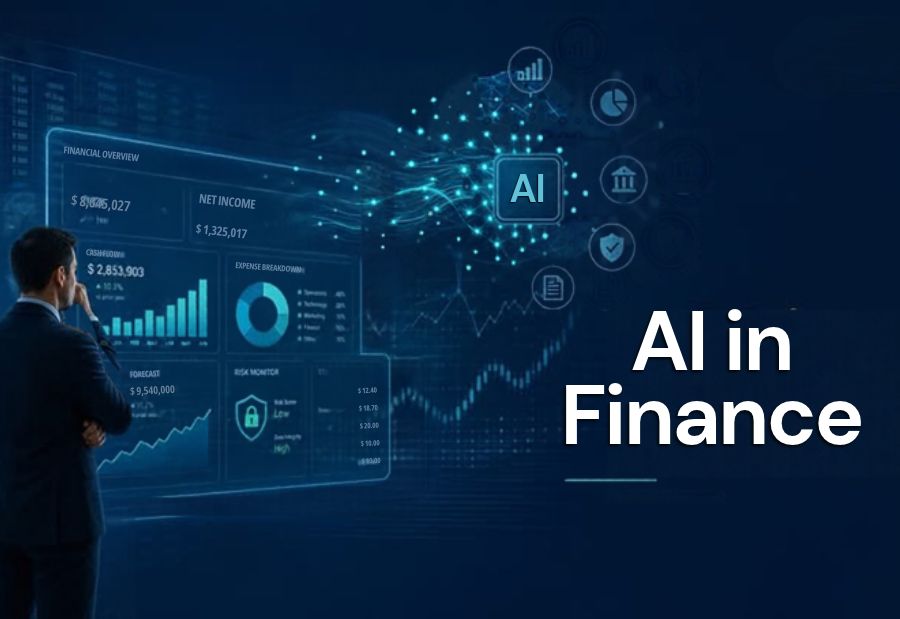
India’s financial technology sector is evolving as artificial intelligence becomes an important part of banking, digital payments, lending and financial services. Financial institutions and fintech companies are using AI to analyse transactions, assess creditworthiness, detect suspicious activities and improve customer interactions. The growing adoption of these technologies is creating new opportunities across the India AI in fintech market.
The combination of India’s digital public infrastructure, expanding internet access and increasing use of digital financial services is supporting this transformation. AI is helping financial institutions process information more efficiently while developing services for individuals and businesses that have traditionally faced barriers to accessing formal finance.
How AI Is Transforming India’s Fintech Sector
Artificial intelligence allows financial institutions to analyse large volumes of financial and customer data, identify patterns and support faster decision-making. Its applications extend across several areas of the fintech ecosystem.
1. AI-Powered Digital Lending and Credit Assessment
Traditional credit assessment often depends on credit history, income records and existing financial information. This can make it difficult for new-to-credit customers, small businesses and informal workers to access loans.
AI-powered credit assessment systems can analyse additional information, including transaction patterns and consent-based financial data, to support lending decisions. These insights can help lenders evaluate borrowers who may have limited traditional credit records.
For India’s micro, small and medium enterprises (MSMEs), this creates opportunities to improve access to formal financing. However, lenders must ensure that alternative data is used responsibly and that automated decisions do not introduce unfair bias.
2. Fraud Detection and Transaction Monitoring
Digital payment growth has increased the importance of detecting suspicious financial activity. Traditional rule-based systems may struggle to identify unfamiliar fraud patterns or rapidly changing transaction behaviour.
AI and machine learning systems can analyse transaction information, identify unusual patterns and generate risk alerts. Financial institutions can use these insights to investigate potentially fraudulent transactions and strengthen payment security.
The Reserve Bank of India’s proposed Digital Payment Intelligence Platform (DPIP) also reflects the growing focus on technology-enabled fraud prevention. Its planned AI and machine learning capabilities are intended to support transaction-level risk assessment.
3. Personalised Financial Services
Fintech companies can use AI to understand customer preferences, financial behaviour and service requirements. This can support more relevant product recommendations, personalised financial guidance and improved customer interactions.
AI-powered chatbots and virtual assistants can also respond to routine banking queries, assist with account-related information and guide customers through common service requests.
Multilingual AI interfaces may further improve access for users who prefer communicating in regional Indian languages.
4. Automated Banking and Financial Operations
Financial institutions handle large volumes of documents, customer requests, compliance checks and transaction records. AI-powered automation can support document processing, reconciliation, reporting and selected administrative activities.
By reducing repetitive manual work, these systems can improve operational efficiency and allow employees to focus on complex decisions that require human judgement.
Emerging Trends Shaping the India AI in Fintech Market
Several developments are influencing how AI is being adopted across India’s financial ecosystem.
AI integration with Digital Public Infrastructure: Platforms such as UPI, Aadhaar-enabled services and the Unified Lending Interface provide digital foundations that can support more connected financial services.
Growth of responsible AI frameworks: Financial institutions are paying greater attention to transparency, accountability, data protection and explainability as AI becomes part of critical financial decisions.
AI for financial inclusion: Technology-enabled credit assessment and multilingual financial services can help reach underserved customers, small businesses and rural communities.
Advanced fraud analytics: Financial institutions are exploring machine learning and shared intelligence approaches to identify suspicious activities more effectively.
Industry-specific AI models: There is growing interest in developing AI systems that understand financial terminology, regulatory requirements and sector-specific workflows.
Business Opportunities for Banks and Fintech Companies
The expanding use of AI creates opportunities for technology providers, financial institutions and fintech startups.
Banks can improve customer service, strengthen risk assessment and automate selected operations. Fintech companies can develop specialised solutions for lending, payment security, financial analytics and customer engagement.
Technology providers can also support financial institutions through AI infrastructure, data management, model monitoring and cybersecurity services.
MSMEs may benefit from more accessible credit assessment and digital financial tools, while financial service providers can explore new customer segments through more efficient service delivery.
Challenges Affecting AI Adoption in Fintech
Despite its potential, AI adoption in financial services involves important risks.
Data privacy and security: Financial institutions process sensitive customer and transaction information. They must protect this data and ensure that its use follows applicable requirements.
Algorithmic bias: Models trained on incomplete or unrepresentative data may produce unfair credit assessments or customer outcomes.
Lack of explainability: Financial institutions need to understand how AI systems influence important decisions, particularly in lending and risk management.
Cybersecurity threats: AI applications can introduce new attack surfaces through connected systems, data pipelines and external integrations.
Regulatory and governance requirements: Organisations need clear accountability, human oversight, testing and monitoring processes to manage AI-related risks.
The Reserve Bank of India’s Framework for Responsible and Ethical Enablement of AI (FREE-AI), released in August 2025, provides recommendations for encouraging responsible AI adoption in the financial sector while addressing associated risks.
Final Thought
The India AI in fintech market is developing through the convergence of artificial intelligence, digital payments, data infrastructure and financial services innovation. From credit assessment and fraud detection to customer support and operational automation, AI is creating new ways for financial institutions to serve customers and manage risks.
However, long-term progress will depend on responsible implementation, secure data practices, transparent decision-making and effective governance. As India’s fintech ecosystem continues to evolve, The Mainstream highlights the role of AI in shaping a more accessible, efficient and trusted financial services industry.