


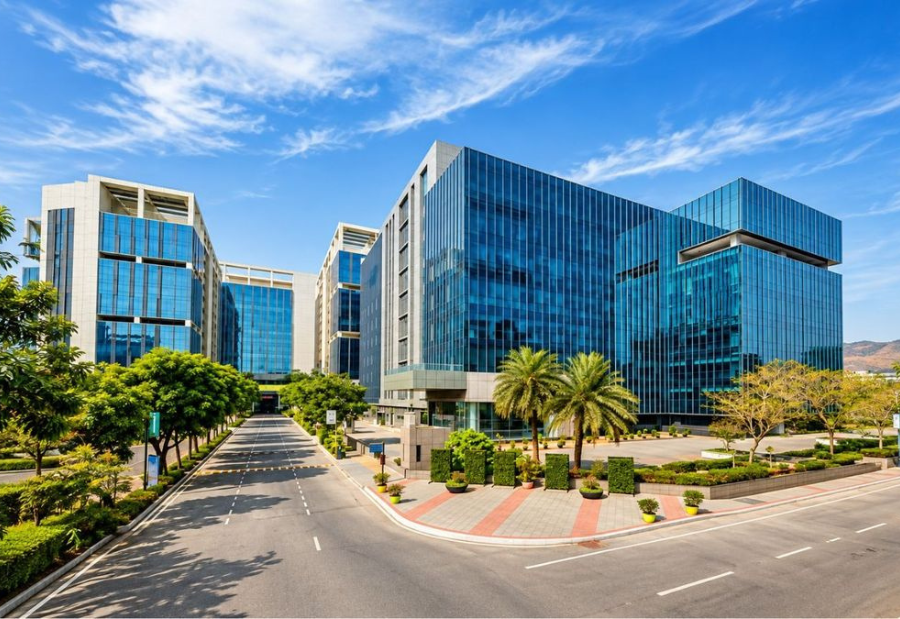
Coimbatore is emerging as a potential destination for companies looking to expand their global technology and engineering operations beyond India’s established technology hubs. An EY-CII report projects that the city could nearly triple its global capability centre (GCC) base to 200 by 2032, from more than 75 currently.
The city could add around 125 GCCs over the next 6 years by using its engineering talent, industrial ecosystem and competitive operating costs. Coimbatore has a population of about 3.8 million and a technology workforce of more than 300,000. Its education network includes 137 engineering colleges and produces over 30,000 science, technology, engineering and mathematics graduates annually.
Companies could consider Coimbatore as a second location alongside GCCs in Bengaluru, Chennai, Hyderabad and Pune. This could reduce dependence on a single location, provide access to new talent pools and attract competitors, suppliers and industry peers of businesses already operating there.
Existing GCCs could also drive growth. Many are still at an early stage and could expand their workforce, add functions and take on higher-value global responsibilities. Some may eventually become centres of excellence, product and platform ownership teams, and global hubs.
Around 60% of Coimbatore’s existing GCCs focus on engineering research and development. Expanding into related global functions is therefore a key priority.
The report identifies workforce stability, engineering expertise, academic institutions, competitive office costs and Tamil Nadu’s GCC incentives as major advantages. The city has also developed innovation infrastructure, including SNS iHub.
However, growth could face several challenges. These include shortages of senior and specialist talent in advanced artificial intelligence and cybersecurity, weaker international connectivity, a smaller ecosystem than established metropolitan hubs, limited availability of large Grade A office space and infrastructure pressure as employment increases.
Also read: Viksit Workforce for a Viksit Bharat
Do Follow: The Mainstream LinkedIn | The Mainstream Facebook | The Mainstream Youtube | The Mainstream Twitter
About us:
The Mainstream is a premier platform delivering the latest updates and informed perspectives across the technology business and cyber landscape. Built on research-driven, thought leadership and original intellectual property, The Mainstream also curates summits & conferences that convene decision makers to explore how technology reshapes industries and leadership. With a growing presence in India and globally across the Middle East, Africa, ASEAN, the USA, the UK and Australia, The Mainstream carries a vision to bring the latest happenings and insights to 8.2 billion people and to place technology at the centre of conversation for leaders navigating the future.