


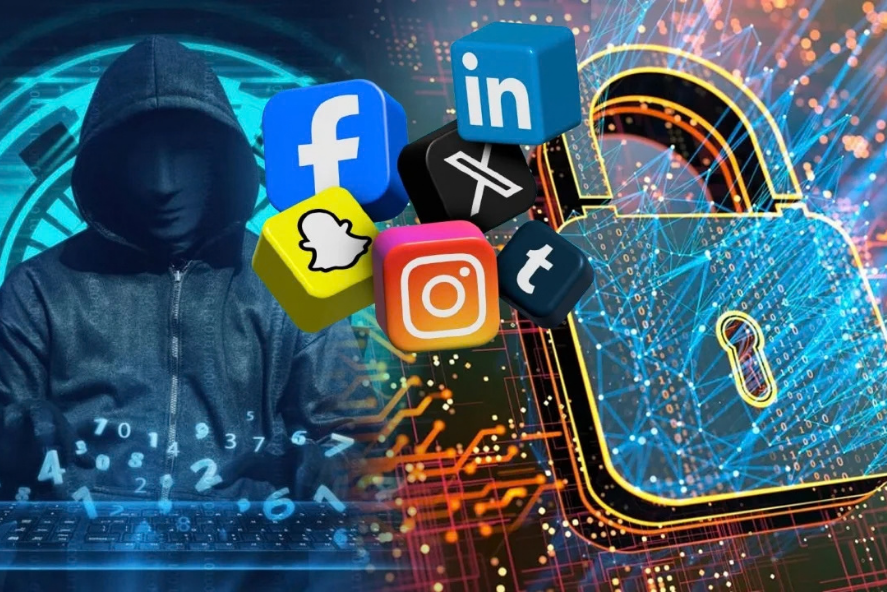
A growing number of online scams are using social media advertisements to reach potential victims. Attractive offers, job opportunities, dating propositions and other misleading promotions can redirect users to fraudulent websites or malicious applications.
The Indian Cyber Crime Coordination Centre (I4C), under the Union Ministry of Home Affairs (MHA), has launched a major awareness campaign to warn citizens about these malicious advertisements. Such scams can lead to financial fraud, identity theft, sextortion and other cybercrimes.
Officials said cybercriminals are increasingly using the advertising ecosystem to target users. “A seemingly genuine advertisement may redirect a user to a website unrelated to the advertised service, prompt the downloading of a malicious application or take the victim to a fraudulent payment gateway,” an official aware of the matter said.
In August, a family in Gwalior, Madhya Pradesh, faced such an incident after a woman clicked on an advertisement while browsing Instagram. Her phone immediately froze and became unresponsive. The family initially did not suspect a cyberattack.
Later that night, they found that nearly ₹98,000 had been withdrawn through 3 unauthorised UPI transactions. The victim contacted the cybercrime helpline 1930. Police later registered a case and handed the investigation to the cyber cell.
Officials have warned that an advertisement appearing on a reputed social media platform does not confirm the authenticity of the advertiser or the website it leads to.
“Another emerging threat involves advertisements that persuade users to download applications or visit websites offering entertainment, dating, employment or other seemingly legitimate services,” the official said.
After downloading such applications or sharing sensitive information, victims may expose personal data, photographs, contacts and other details. “This can subsequently be used for blackmail and sextortion,” he said.
In some cases, victims are moved to private messaging platforms and threatened with the circulation of manipulated or intimate images unless they pay money.
The I4C campaign urges users to verify offers independently, avoid sharing banking credentials and OTPs, and download applications only from trusted sources.
“The campaign also seeks to underline a critical cyber-safety principle: a professionally designed advertisement or a familiar social-media platform does not guarantee that the destination website, application or payment page is genuine,” he said.
The I4C has also urged cyber fraud victims to report incidents immediately through government cybercrime reporting mechanisms, as early reporting can improve the chances of freezing or recovering stolen funds.
Also read: Viksit Workforce for a Viksit Bharat
Do Follow: The Mainstream LinkedIn | The Mainstream Facebook | The Mainstream Youtube | The Mainstream Twitter
About us:
The Mainstream is a premier platform delivering the latest updates and informed perspectives across the technology business and cyber landscape. Built on research-driven, thought leadership and original intellectual property, The Mainstream also curates summits & conferences that convene decision makers to explore how technology reshapes industries and leadership. With a growing presence in India and globally across the Middle East, Africa, ASEAN, the USA, the UK and Australia, The Mainstream carries a vision to bring the latest happenings and insights to 8.2 billion people and to place technology at the centre of conversation for leaders navigating the future.