


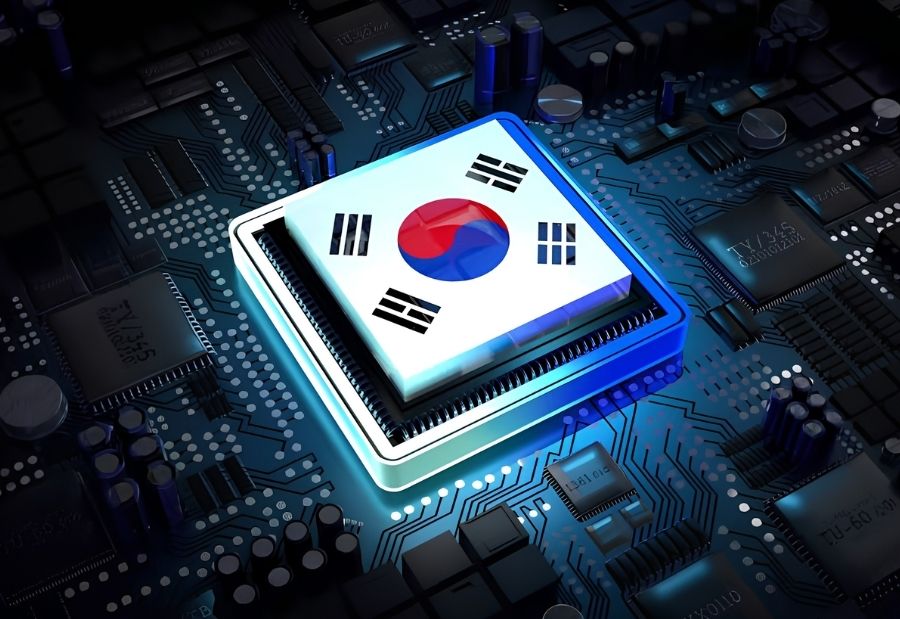
South Korea is moving to make generative AI a widely available public service, with plans to give citizens free access to AI tools for everyday needs ranging from healthcare and housing to taxes and education.
The government’s “AI for All” program is set to begin beta testing in September, followed by a wider rollout later this year. On Friday, Seoul selected 3 technology consortia to provide the services. The groups are led by the country’s 2 largest telecom companies and the operator of Kakao.
The AI services are expected to connect with government systems instead of operating only as standalone chatbots. Residents could use them to book medical appointments, search for homes and receive tax guidance. Small businesses could calculate taxes and check eligibility for government support, while parents could receive educational content recommendations.
Each consortium will launch its own AI application and add generative AI features to existing products. Users will receive unlimited access, with no token limits under the government-supported plans.
Seoul will also provide part of the computing infrastructure needed to operate the services. The government plans to distribute up to 512 Nvidia B200 chips among the 3 consortia and help cover operating expenses. The Ministry of Science and ICT has not disclosed the program’s total cost.
The initiative is part of South Korea’s wider push to strengthen its domestic AI industry and reduce dependence on AI systems developed in the US and China. By offering advanced local AI services at no cost, the government aims to encourage wider use of homegrown platforms.
South Korea already has a strong consumer AI market. A government survey found that around 25% of South Koreans pay for AI services, compared with around 2% of Americans, according to a PNC Bank survey. Seoul estimates that more than 20 million people in the country already use free generative AI tools.
The rollout comes alongside increased government spending on AI. President Lee Jae Myung’s administration has allocated around 10 trillion won ($7.2 billion) for AI-related spending in 2026, about 3 times the amount allocated the previous year.
The program will test whether generative AI can become part of South Korea’s basic digital infrastructure. Its success will depend on whether these systems are reliable enough for practical, everyday use.
The government has not yet set an adoption target for the service.
Also read: Viksit Workforce for a Viksit Bharat
Do Follow: The Mainstream LinkedIn | The Mainstream Facebook | The Mainstream Youtube | The Mainstream Twitter
About us:
The Mainstream is a premier platform delivering the latest updates and informed perspectives across the technology business and cyber landscape. Built on research-driven, thought leadership and original intellectual property, The Mainstream also curates summits & conferences that convene decision makers to explore how technology reshapes industries and leadership. With a growing presence in India and globally across the Middle East, Africa, ASEAN, the USA, the UK and Australia, The Mainstream carries a vision to bring the latest happenings and insights to 8.2 billion people and to place technology at the centre of conversation for leaders navigating the future.