


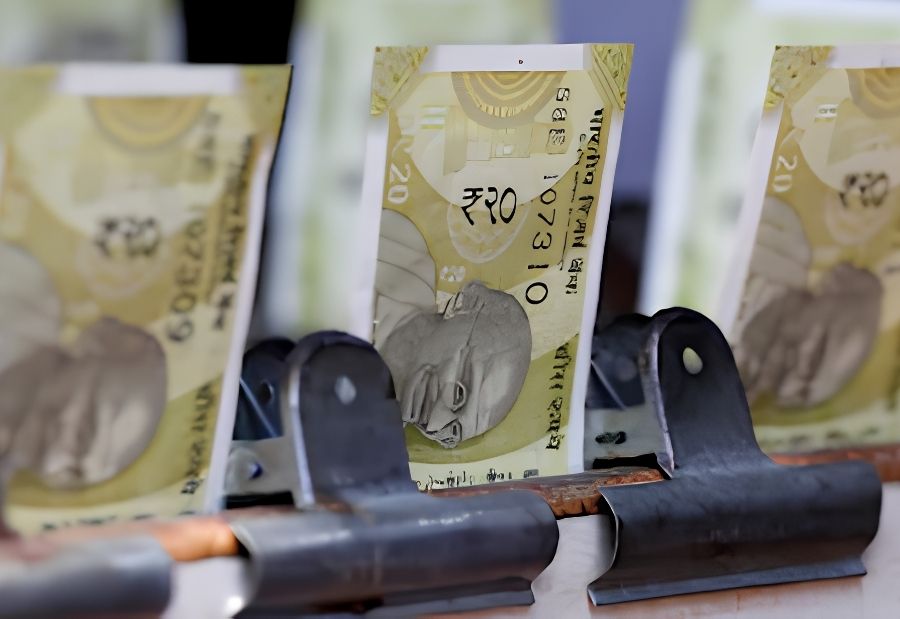
The Reserve Bank of India (RBI) is moving closer to evaluating polymer banknotes, with multiple manufacturers submitting bids for a global Expression of Interest (EOI) issued by its subsidiary, Bharatiya Reserve Bank Note Mudran (P) Ltd (BRBNMPL).
At least 2 foreign polymer currency manufacturers and an Indian substrate maker partnered with UK-based banknote manufacturer De La Rue have submitted bids. The EOI closed on August 18.
The bidding process includes strict safeguards. Companies must sign an integrity pact, confidentiality agreement and no-agent pact. They must also ensure their Indian operations are firewalled from any operations in China and Pakistan because of the sensitivity surrounding future polymer banknote supplies.
Bidders must also certify that their polymer substrate contains no animal tallow or its DNA. Concerns over animal tallow in banknotes, including those in countries such as the UK, are believed to be among the reasons the RBI has been cautious about introducing polymer currency in India.
BRBNMPL has an immediate requirement for around 68,000 reams of polymer substrate. Each ream must contain 500 sheets of polymer film, with bidders required to submit samples for testing.
The samples will be tested across different climatic zones. Eligible bidders will then be allowed to participate in the final BRBNMPL tender. A corrigendum issued before the August 18 deadline clarified that financial standing documents were not required at this qualifying stage.
Cosmo First, described as India’s largest BOPP exporter and a major supplier to De La Rue, is among the bidders. Industry sources said Cosmo First has named De La Rue as its technical partner, with the UK company expected to provide security features for the polymer substrate.
Australia-based CCL Secure has also submitted a bid. The company supplies polymer solutions to 40 central banks and highlights anti-counterfeiting features. It claims polymer banknotes can last 6 times longer than cotton-based currency paper.
CCL Secure also offers solutions combining polymer banknotes with conventional cotton-pulp currency paper. This is reportedly the model currently being considered for India, with polymer notes initially proposed for ₹10 and ₹20 denominations.
Vietnam-based Q&T Hi-tech Polymer Company Limited has also bid for the EOI. The company began domestic banknote supplies 3 years ago after Vietnam had imported polymer substrate from CCL Secure. It has claimed a 78% lifecycle saving compared with cotton paper currency and is now expanding beyond Vietnam.
Also read: Viksit Workforce for a Viksit Bharat
Do Follow: The Mainstream LinkedIn | The Mainstream Facebook | The Mainstream Youtube | The Mainstream Twitter
About us:
The Mainstream is a premier platform delivering the latest updates and informed perspectives across the technology business and cyber landscape. Built on research-driven, thought leadership and original intellectual property, The Mainstream also curates summits & conferences that convene decision makers to explore how technology reshapes industries and leadership. With a growing presence in India and globally across the Middle East, Africa, ASEAN, the USA, the UK and Australia, The Mainstream carries a vision to bring the latest happenings and insights to 8.2 billion people and to place technology at the centre of conversation for leaders navigating the future.