


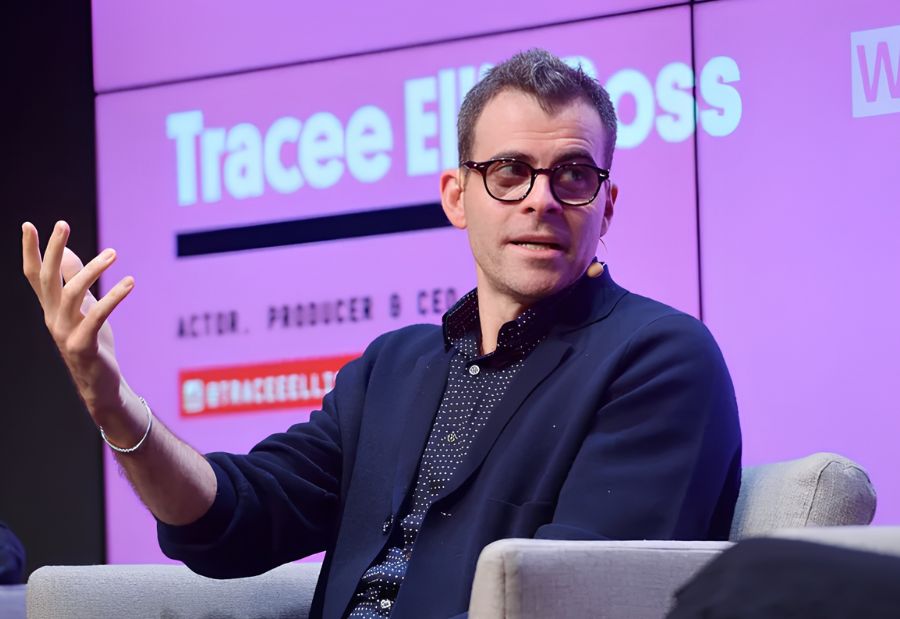
Adam Mosseri’s courtroom testimony has put Instagram’s communication around its teen-safety measures under renewed scrutiny as Meta faces allegations that its platforms were designed to keep young users engaged.
Instagram head Adam Mosseri has acknowledged in a US federal court that the platform’s “Take a Break” safety feature had very low adoption among teenagers when it was introduced, while Instagram’s public messaging at the time highlighted positive engagement among the users who did activate it.
Mosseri’s testimony came during a landmark trial in Oakland, California, in which 29 US states have accused Meta, Instagram’s parent company, of designing Facebook and Instagram in ways that encourage compulsive use among children and teenagers. The states have also alleged that Meta violated child privacy protections and misled the public about the risks associated with its platforms. Meta has denied the allegations.
Safety feature saw limited uptake
Instagram introduced “Take a Break” in 2021 as a wellbeing feature intended to encourage users, including teenagers, to step away from the platform after spending a specified amount of time scrolling.
However, internal documents presented during the trial showed that adoption of the feature was only around 1.8% at one point.
Mosseri acknowledged that Instagram initially struggled to persuade teenagers to activate the tool. The company attempted to improve adoption through notifications encouraging users to switch it on, but the efforts did not produce the results Instagram had expected.
The feature was eventually enabled by default for teen accounts in 2024, nearly three years after its initial launch.
Public messaging under scrutiny
The disclosure has drawn attention not only to the low adoption rate, but also to how Instagram communicated the feature’s performance publicly.
In a December 2021 blog post, Instagram highlighted that more than 90% of teenagers who enabled “Take a Break” continued to keep the feature switched on. The post did not mention that only a small proportion of teenagers had activated the tool in the first place.
During questioning, Mosseri acknowledged that the public communication did not disclose the 1.8% adoption figure. He argued that the company was still working on improving uptake and expected adoption to increase over time.
The distinction is significant: while retention among users who chose the feature was high, the overall reach of the safety measure remained limited.
Meta rejects claims of deliberate delay
The testimony also focused on why Instagram did not make the feature a default setting earlier.
Prosecutors argued that the delay demonstrated a broader conflict between teen safety and the platform’s engagement-driven business model. Mosseri rejected that interpretation, maintaining that there was no deliberate decision to postpone safety measures to protect engagement.
He also defended Meta’s broader efforts to improve safety for younger users, arguing that judging the company’s approach through a single feature did not provide a complete picture of its work on teen wellbeing.
A broader challenge for Meta
The “Take a Break” testimony forms part of a much wider legal challenge facing Meta.
The states bringing the case allege that Meta knowingly designed its products to maximise engagement among young users, while failing to adequately address potential effects on their wellbeing. Prosecutors have also raised questions about Meta’s handling of children under 13 and the collection of their personal information.
The trial follows testimony from former Meta employees and other witnesses who have questioned whether the company’s internal safety efforts were given sufficient weight alongside growth and engagement objectives.
For Meta, the case could have consequences beyond potential financial penalties. The proceedings are also examining how technology companies measure, communicate and implement safety interventions for younger users.
Mosseri’s testimony puts a particularly sharp focus on that question: is a safety feature effective if the users who need it most rarely choose to activate it?
As the trial continues, that distinction between the existence of a safety tool and its actual reach could become central to the debate over how platforms such as Instagram should be held accountable for protecting younger audiences.
Also read: Viksit Workforce for a Viksit Bharat
Do Follow: The Mainstream LinkedIn | The Mainstream Facebook | The Mainstream Youtube | The Mainstream Twitter
About us:
The Mainstream is a premier platform delivering the latest updates and informed perspectives across the technology business and cyber landscape. Built on research-driven, thought leadership and original intellectual property, The Mainstream also curates summits & conferences that convene decision makers to explore how technology reshapes industries and leadership. With a growing presence in India and globally across the Middle East, Africa, ASEAN, the USA, the UK and Australia, The Mainstream carries a vision to bring the latest happenings and insights to 8.2 billion people and to place technology at the centre of conversation for leaders navigating the future.