


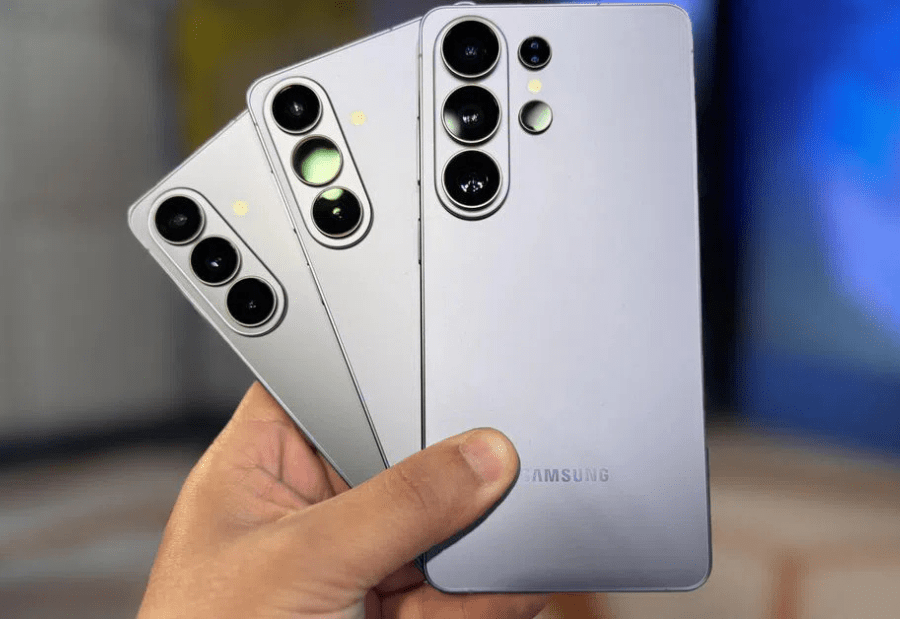
Rising component costs are beginning to challenge profitability in the global smartphone market, with Samsung potentially facing losses in its mobile business for the first time.
According to a report by a tech publication citing a Korean media outlet, TM Roh, head of Samsung’s mobile experience division, has warned leadership that the smartphone segment could record losses. This comes despite steady demand and strong sales of flagship devices like the Galaxy S26. Historically, Samsung has remained profitable in smartphones, even during economic downturns and the pandemic.
Memory costs reshape smartphone economics
The cost structure of smartphones is shifting. Traditionally, processors and displays were the most expensive components. However, rising DRAM and NAND prices are changing that balance.
Data from Counterpoint Research shows that memory could account for over 33% of the cost of a budget smartphone by mid-2026. In premium devices, memory may contribute around 20% of total costs. This reflects the sharp rise in memory prices across all device segments.
Why supply remains tight
The increase in memory costs is linked to a global shortage of DRAM and NAND chips. As per a report by Nikkei Asia, supply constraints could continue until 2027.
Even with planned expansions, global DRAM production may meet only about 60% of demand, with shortages reaching up to 40% in some cases. A major reason is the shift toward high-bandwidth memory (HBM), widely used in AI infrastructure, which offers higher margins. This has redirected manufacturing capacity away from standard memory used in smartphones and PCs.
Additionally, new fabrication plants will take time to reach full production levels. Memory prices in early 2026 have already risen by about 90% quarter-on-quarter.
Smartphone prices already increasing
The impact is visible in retail pricing. Smartphone brands are now raising prices even after launch, which was earlier uncommon. Devices are becoming ₹2,000–₹3,500 more expensive within months.
For example, the Galaxy M36 5G has increased from ₹17,499 to ₹20,999. The OnePlus 15R has gone from ₹47,999 to ₹50,499, while the Vivo V70 has risen from ₹45,999 to ₹49,999. The Nothing Phone 3a Lite base variant has moved from ₹20,999 to ₹21,999.
New launches are also costlier. The Galaxy A56 launched at ₹41,999 and the A36 at ₹32,999, while their successors, the A57 and A37, now start at ₹56,999 and ₹41,999 respectively.
What to expect
Pricing pressure is unlikely to ease soon. With memory shortages expected to continue until at least 2027, smartphone makers may keep facing higher costs. For Samsung, this could mean continued pressure on margins in its mobile division, even as its semiconductor business benefits.
Also read: Viksit Workforce for a Viksit Bharat
Do Follow: The Mainstream LinkedIn | The Mainstream Facebook | The Mainstream Youtube | The Mainstream Twitter
About us:
The Mainstream is a premier platform delivering the latest updates and informed perspectives across the technology business and cyber landscape. Built on research-driven, thought leadership and original intellectual property, The Mainstream also curates summits & conferences that convene decision makers to explore how technology reshapes industries and leadership. With a growing presence in India and globally across the Middle East, Africa, ASEAN, the USA, the UK and Australia, The Mainstream carries a vision to bring the latest happenings and insights to 8.2 billion people and to place technology at the centre of conversation for leaders navigating the future.