


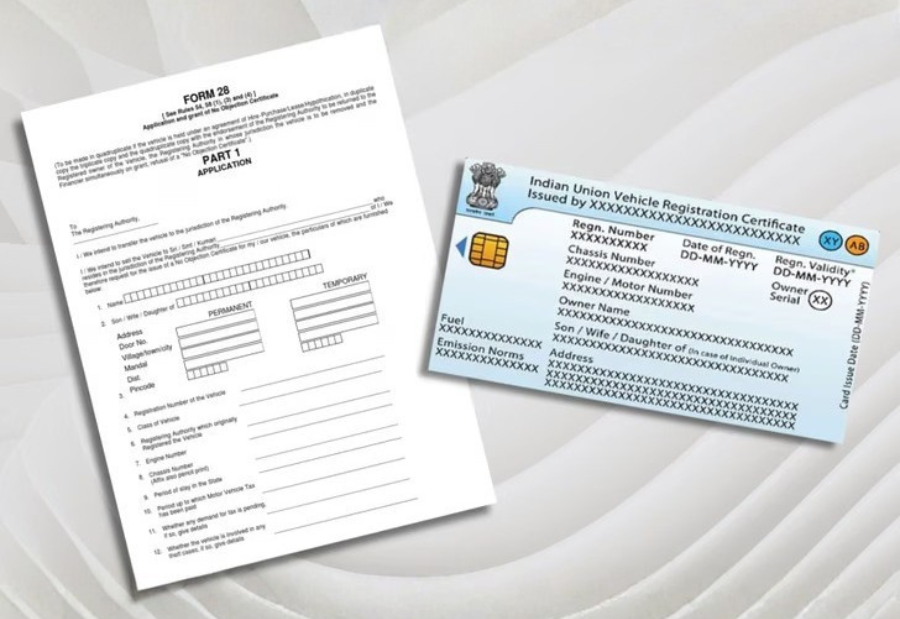
The Central government is examining a proposal that could simplify the process of transferring vehicles between states by removing the requirement for a No Objection Certificate (NOC) from the original state’s Regional Transport Office (RTO). The recommendation has been put forward by a high-level committee on non-financial regulatory reforms established by NITI Aayog.
According to officials familiar with the development, the proposal suggests introducing an automated clearance system that would allow inter-state vehicle transfers without requiring owners to obtain an NOC from the state where the vehicle was originally registered. The recommendation is currently being reviewed by the Ministry of Road Transport and Highways.
Reform could simplify vehicle re-registration across states
At present, vehicle owners must obtain a No Objection Certificate from the original state’s RTO before initiating the registration process in another state. The NOC confirms that there are no pending road taxes, challans or other dues linked to the vehicle.
For re-registration in another state, owners are also required to submit documents such as the registration certificate, fitness certificate and tax receipts along with the NOC issued by the original RTO. This process can often be time-consuming and involves multiple administrative steps.
The committee has suggested that the process could be streamlined using the centralised VAHAN database. Vehicle records are already stored digitally in this system and can be accessed by transport authorities across different states.
With this digital infrastructure already in place, verification of vehicle records, pending dues and other compliance checks could be carried out automatically through the database. This automated verification system could potentially remove the need for a physical NOC.
Age limits for commercial vehicles may also be reviewed
Along with the NOC reform proposal, the committee has recommended reconsidering age-based restrictions currently applied to vehicles. Many existing regulations restrict vehicles based on the date of first registration.
The panel noted that such rules may force older vehicles off the road even when they still meet operational and safety standards.
Instead, the committee has proposed moving towards fitness-based eligibility norms. Under such a system, vehicles would undergo regular and strict fitness inspections. Commercial vehicles that pass these safety and performance checks could continue operating regardless of their age.
This approach is similar to regulatory frameworks followed in several international markets and is intended to ensure safety while reducing unnecessary regulatory barriers for vehicle owners.
Also read: Viksit Workforce for a Viksit Bharat
Do Follow: The Mainstream LinkedIn | The Mainstream Facebook | The Mainstream Youtube | The Mainstream Twitter
About us:
The Mainstream is a premier platform delivering the latest updates and informed perspectives across the technology business and cyber landscape. Built on research-driven, thought leadership and original intellectual property, The Mainstream also curates summits & conferences that convene decision makers to explore how technology reshapes industries and leadership. With a growing presence in India and globally across the Middle East, Africa, ASEAN, the USA, the UK and Australia, The Mainstream carries a vision to bring the latest happenings and insights to 8.2 billion people and to place technology at the centre of conversation for leaders navigating the future.