


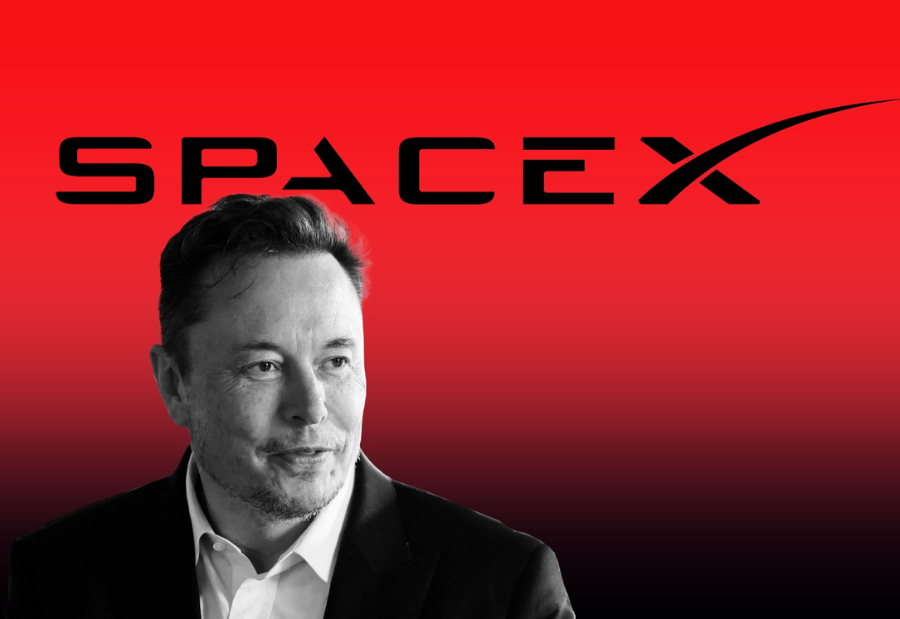
Speculation around a possible public listing of SpaceX has intensified, raising questions about why the company might consider going public despite earlier statements from founder Elon Musk opposing the idea.
For years, Musk maintained that SpaceX should remain private until its Mars transport system was operational. In a 2013 memo to employees, later cited in a biography by Ashlee Vance, Musk wrote: “I am hesitant to foist being public on SpaceX, especially given the long term nature of our mission.” He argued that public markets often pressure companies to focus on short-term quarterly performance rather than long-term goals.
However, an IPO could provide major funding while allowing early investors to exit. Reports suggest the company could target a valuation above $1 trillion and potentially raise around $50 billion, which would make it one of the largest public offerings in history.
One factor driving speculation is the growing scale and cost of SpaceX projects. The company’s satellite internet business Starlink is widely believed to be its primary revenue driver. A 2024 report from Morgan Stanley projected SpaceX revenue could reach $19 billion in 2025. However, reports indicate total revenue in 2024 was about $16 billion despite strong subscriber growth.
Starlink’s expansion has been rapid, reaching millions of users across consumer, military, aviation and maritime markets. Analysts say the service may now be generating positive cash flow, although profits remain uncertain due to high infrastructure and satellite deployment costs.
Future growth also depends on the success of Starship. The new rocket is expected to launch heavier Starlink satellites and support future missions, but development has faced setbacks including test flight explosions. Industry estimates suggest Starship’s development could cost around $10 billion.
Another factor complicating the potential IPO is Musk’s AI venture xAI, which reportedly consumes significant capital. Some analysts believe integrating AI ambitions with SpaceX could increase funding needs and make a public listing more attractive.
Meanwhile, competition in satellite internet is growing. Amazon is preparing to launch its own satellite network, potentially challenging Starlink in global markets.
If SpaceX moves forward with an IPO, the company will need to publish detailed financial disclosures through its S-1 filing. That document could reveal key information about Starlink profitability, Starship development costs and long-term growth strategy.
For now, the potential IPO raises both excitement and skepticism among investors, as SpaceX balances ambitious technological goals with the realities of public market expectations.
Also read: Viksit Workforce for a Viksit Bharat
Do Follow: The Mainstream LinkedIn | The Mainstream Facebook | The Mainstream Youtube | The Mainstream Twitter
About us:
The Mainstream is a premier platform delivering the latest updates and informed perspectives across the technology business and cyber landscape. Built on research-driven, thought leadership and original intellectual property, The Mainstream also curates summits & conferences that convene decision makers to explore how technology reshapes industries and leadership. With a growing presence in India and globally across the Middle East, Africa, ASEAN, the USA, the UK and Australia, The Mainstream carries a vision to bring the latest happenings and insights to 8.2 billion people and to place technology at the centre of conversation for leaders navigating the future.