


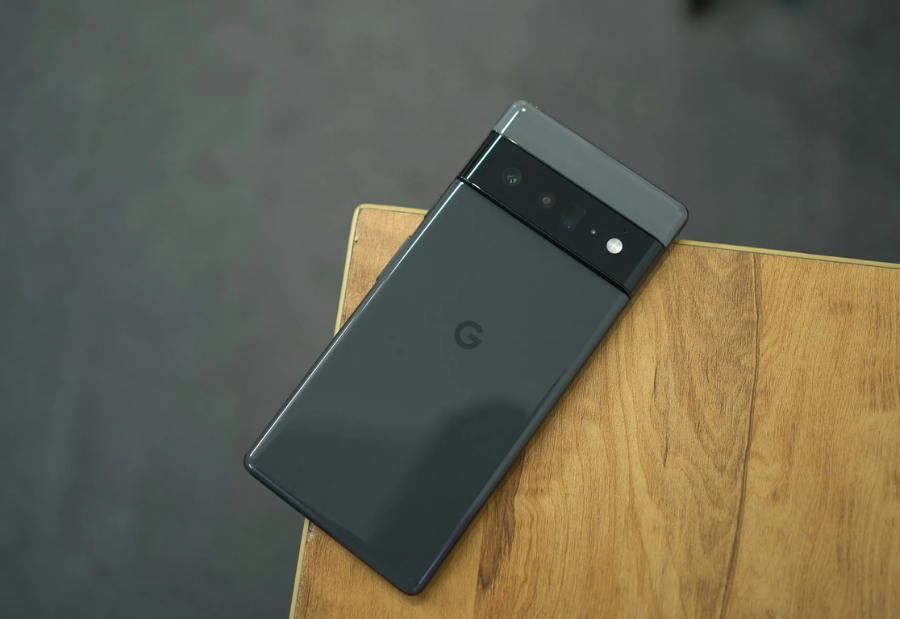
A long standing divide between Android and iPhone users is finally starting to disappear. With the Pixel 10 series, Google has enabled direct file sharing with Apple devices, allowing Pixel phones to send and receive files through AirDrop without any involvement from Apple.
Reports say Google engineers independently cracked Apple’s AirDrop protocol and built full compatibility into Pixel 10 devices. This was not a workaround or a third party solution. It was developed entirely in house and relies on regulatory changes introduced under the EU Digital Markets Act, which required Apple to open up parts of AirDrop for interoperability. Using this opening, Google created a system that allows Pixel devices to communicate directly with Apple hardware while preserving the same security standards.
At the technical level, Google built a translation layer between Quick Share and AirDrop. This lets a Pixel phone appear as a native AirDrop device on an iPhone. The system uses direct peer to peer connections and does not route data through external servers. The feature was developed using the Rust programming language and underwent extensive security audits by independent penetration testers. Reports confirm that both privacy and encryption standards match expectations on both platforms.
In everyday use, the experience is simple and familiar. Pixel users send files through Quick Share, while Apple users see standard AirDrop requests. Transfers work both ways and performance matches native AirDrop speeds, with a 500MB file transferring in about 20 seconds. The only limitation is that Apple devices must be set to “Everyone for 10 Minutes” for discovery, which reflects Apple’s privacy design rather than any Google restriction.
The impact goes beyond convenience. This removes the need for cloud links and third party apps in mixed device environments. The feature launches first on Pixel 10, with wider Android support planned later. It also signals a broader shift toward forced interoperability driven by regulation and engineering effort. As platform barriers weaken, users gain smoother workflows and greater freedom, reshaping how mobile ecosystems compete and coexist.
Also read: Viksit Workforce for a Viksit Bharat
Do Follow: The Mainstream formerly known as CIO News LinkedIn Account | The Mainstream formerly known as CIO News Facebook | The Mainstream formerly known as CIO News Youtube | The Mainstream formerly known as CIO News Twitter
About us:
The Mainstream is a premier platform delivering the latest updates and informed perspectives across the technology business and cyber landscape. Built on research-driven, thought leadership and original intellectual property, The Mainstream also curates summits & conferences that convene decision makers to explore how technology reshapes industries and leadership. With a growing presence in India and globally across the Middle East, Africa, ASEAN, the USA, the UK and Australia, The Mainstream carries a vision to bring the latest happenings and insights to 8.2 billion people and to place technology at the centre of conversation for leaders navigating the future.