For years, the biggest debate around social media was about content. Governments argued about misinformation, harmful posts, political propaganda, and online safety. Technology companies responded by hiring moderators, building content filters, and publishing transparency reports.
But the real power of social media was never just in the content people posted. It was in the systems that decided what everyone else saw next.
Today, algorithms decide what billions of people read, watch, buy, believe, and sometimes even feel. Recommendation engines and algorithmic feeds are no longer just software features. They are editors, distributors, and behavioural prediction systems operating at a global scale. The modern internet is not organised chronologically or democratically. It is organised algorithmically.
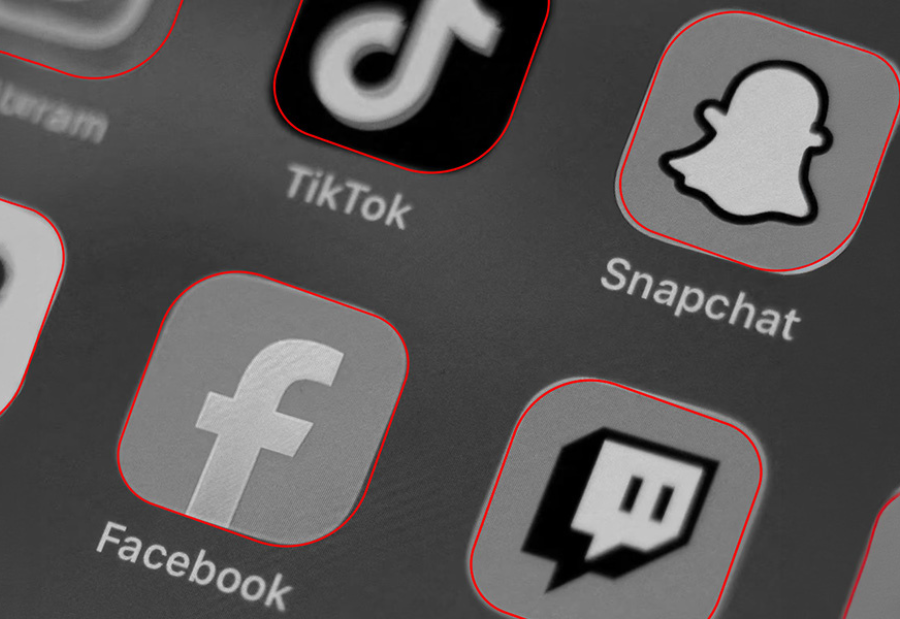
Companies like Meta, YouTube, TikTok, and X do not just host content. Their algorithms decide which content travels further, faster, and wider. In doing so, they shape conversations, trends, public opinion, and increasingly behaviour itself.
This is why the global conversation around Big Tech is slowly changing. For nearly two decades, technology platforms were largely protected by laws such as Section 230 of the Communications Decency Act, which shielded platforms from liability for user-generated content. The legal argument was simple. Platforms did not create the content, so they were not responsible for it.
But regulators and courts around the world are beginning to look at a different question. The issue may not just be the content users upload, but the algorithms that decide what billions of people are shown every day.
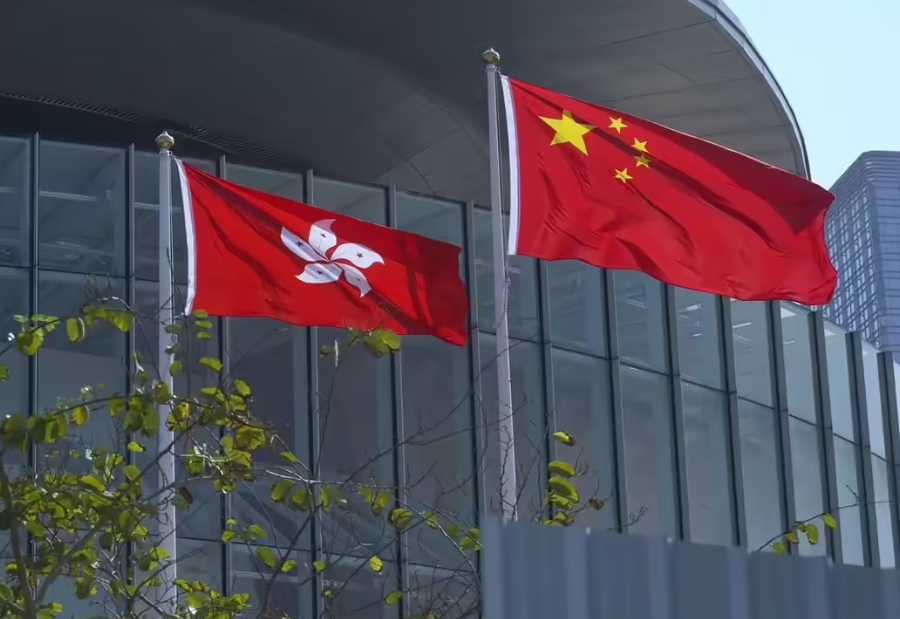
This shift is visible across major markets including the United States, the United Kingdom, the European Union, India, Australia, Singapore, Japan, South Korea, and China. Different governments have different political systems and regulatory approaches, but they are increasingly concerned about the same issues. Algorithmic amplification, digital addiction, online safety, misinformation, mental health, and the concentration of power in a handful of technology companies.
The attention economy has become one of the most powerful business models in modern history. Platforms are free to use because users are not the customers. Advertisers are. The longer users stay on a platform, the more advertisements they see, and the more revenue the platform generates. Everything else, including infinite scroll, autoplay, notifications, and engagement-based ranking systems, exists to support that model.
In that sense, social media platforms do not just compete for users. They compete for time.
This is why the debate is moving away from content moderation towards something more complicated and more uncomfortable for the technology industry. The debate is now about platform design, algorithm accountability, and whether technology companies should be responsible for the behavioural outcomes created by their products.
Industries rarely change because they suddenly discover ethics. They change when the cost of continuing as before becomes too high. The financial industry changed after the global financial crisis. The automotive industry changed after safety regulations. The tobacco industry changed after lawsuits and settlements made denial too expensive.
The technology industry may now be approaching a similar moment.
No government wants to slow innovation, artificial intelligence development, or the digital economy. Technology companies are deeply embedded in economic growth, communication infrastructure, media distribution, and global business ecosystems. But at the same time, no government can ignore the growing concerns around digital addiction, algorithmic bias, misinformation, online harm, and platform power.
So the next phase of technology regulation will likely not be about banning social media platforms or breaking up technology companies entirely. It will be about changing incentives. If harmful platform design becomes legally risky, politically controversial, and financially expensive, companies will redesign products faster than any regulation could force them to.
The internet is no longer a young industry experimenting in dorm rooms and garages. It is infrastructure. It shapes economies, elections, public discourse, culture, and human behaviour itself. With that level of influence comes a level of responsibility that the industry has, so far, been very successful at avoiding.
The feed may look like a simple stream of posts and videos. In reality, it is one of the most powerful decision-making systems ever built.
And for the first time, courts, regulators, and governments around the world are beginning to question not just what we see online, but why we keep seeing it for so long.
That question may define the next decade of the global technology industry.
Also read: Viksit Workforce for a Viksit Bharat
Do Follow: The Mainstream LinkedIn | The Mainstream Facebook | The Mainstream Youtube | The Mainstream Twitter
About us:
The Mainstream is a premier platform delivering the latest updates and informed perspectives across the technology business and cyber landscape. Built on research-driven, thought leadership and original intellectual property, The Mainstream also curates summits & conferences that convene decision makers to explore how technology reshapes industries and leadership. With a growing presence in India and globally across the Middle East, Africa, ASEAN, the USA, the UK and Australia, The Mainstream carries a vision to bring the latest happenings and insights to 8.2 billion people and to place technology at the centre of conversation for leaders navigating the future.