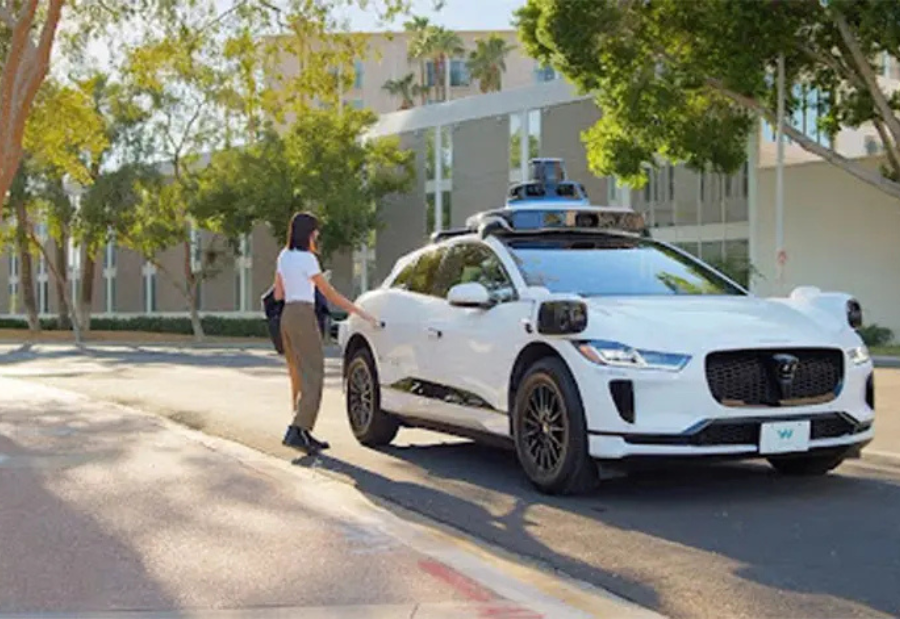
Waymo has moved fast over the last 18 months and is now running commercial robotaxi services in 6 markets. These include the San Francisco Bay Area, Phoenix, Los Angeles, Austin, Atlanta, and Miami. The Alphabet owned company plans to expand into more than 12 new cities this year, including London and Tokyo. A fresh $16 billion in funding is set to power this push, but industry observers say the answer to whether it is enough depends on costs, regulation, and long term strategy.
The optimistic view is built around strong backing from Alphabet, which remains Waymo’s main investor. This support has helped Waymo avoid the funding shocks that hit other autonomous vehicle startups. Usage is also rising fast. Waymo now delivers 400,000 rides every week across its 6 US markets. In 2025, total rides crossed 15 million, more than 3 times higher than the previous year. This growth could continue unless stricter regulation slows progress.
Profitability, however, is still uncertain. Waymo faces high operating costs and rising regulatory scrutiny, with its chief safety officer recently testifying before a Senate panel. If the company shifts to licensing its technology instead of running fleets, it would lose some control. It also lacks in house vehicle manufacturing, unlike Tesla. While Waymo works with automotive partners, it does not have the same cost advantages at scale.
Autonomous driving is also spreading beyond robotaxis. Several startups are adapting their systems for defense, trucking, mining, and construction. Bedrock Robotics is one such company. Founded in 2024 by former Waymo and Segment executives, it raised $270 million in Series B funding and over $350 million in total. Investors include major venture funds and Nvidia’s investment arm. Other recent deals include funding rounds for electric motors, underwater vehicles, mobility fintech, military autonomy, used EV platforms, recycling robotics, and aviation automation. Meanwhile, Uber is strengthening its autonomous strategy through leadership changes and partnerships, while legal and regulatory challenges continue to shape the future of mobility.
Also read: Viksit Workforce for a Viksit Bharat
Do Follow: The Mainstream formerly known as CIO News LinkedIn Account | The Mainstream formerly known as CIO News Facebook | The Mainstream formerly known as CIO News Youtube | The Mainstream formerly known as CIO News Twitter
About us:
The Mainstream is a premier platform delivering the latest updates and informed perspectives across the technology business and cyber landscape. Built on research-driven, thought leadership and original intellectual property, The Mainstream also curates summits & conferences that convene decision makers to explore how technology reshapes industries and leadership. With a growing presence in India and globally across the Middle East, Africa, ASEAN, the USA, the UK and Australia, The Mainstream carries a vision to bring the latest happenings and insights to 8.2 billion people and to place technology at the centre of conversation for leaders navigating the future.