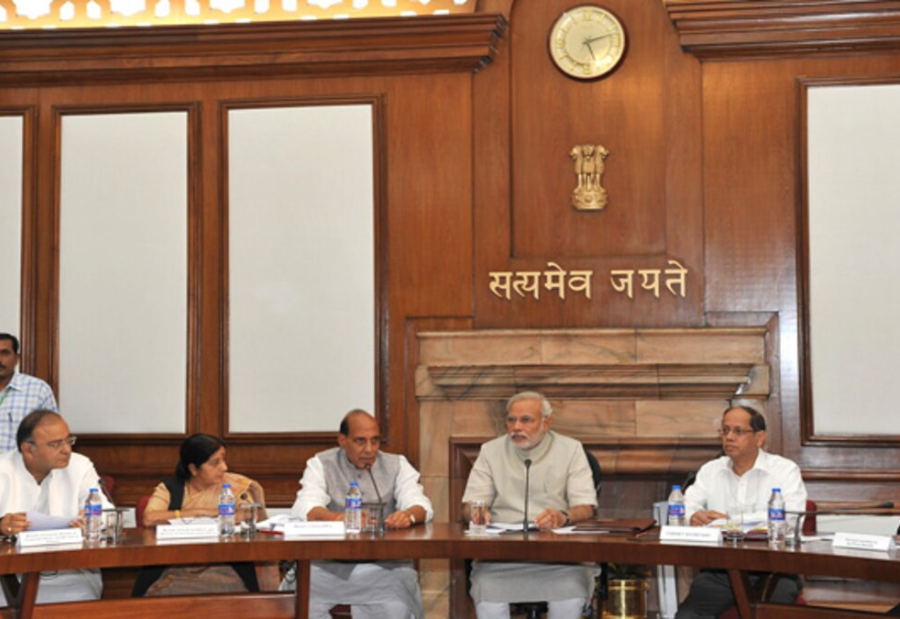
A major policy shift is set to change how insurance works in India, with the Union Cabinet approving 100% foreign direct investment in the sector under the leadership of Prime Minister Narendra Modi, according to sources quoted by a business daily. The reform is expected to unlock large-scale global capital and directly impact millions of policyholders by improving access, quality and innovation across insurance services.
“This is a watershed moment for the Indian insurance landscape. Allowing 100% FDI is a strong signal of confidence in the sector’s potential and commitment to economic reforms. This move will not only boost foreign investments but also fundamentally improve the quality and reach of insurance services for every Indian citizen,” said Narendra Ganpule, Partner and Insurance Industry Leader, Grant Thornton Bharat.
Raising the FDI cap from 74% to 100% removes a long-standing constraint that limited growth for insurers. Companies often struggled to raise capital for expanding distribution, investing in technology and meeting regulatory capital norms. With full ownership now allowed, foreign insurers no longer need domestic partners to match investments. This is expected to drive capital inflows beyond the Rs. 82,000 crore already invested in the sector. Stronger balance sheets will help insurers expand faster, improve risk management systems and invest in advanced underwriting tools and digital platforms, bringing global standards of governance and professionalism.
The reform is likely to intensify competition across the industry. Global players are expected to scale up operations or enter the market with renewed interest, pushing existing insurers to upgrade products, customer experience and technology. Greater capital access will support AI based underwriting and more personalised insurance offerings. Ownership structures are also expected to change, with several joint ventures moving toward full foreign control. This could trigger mergers, acquisitions and strategic shifts as firms look to strengthen their positions.
Domestic insurers, especially smaller players, may face pressure from well capitalised global competitors. However, this environment could also encourage them to focus on efficiency, specialise in niche areas and expand offerings in segments such as micro insurance, rural coverage and digital first products. Overall, the reform marks a decisive step toward a more competitive, modern and globally integrated insurance sector in India.
Also read: Viksit Workforce for a Viksit Bharat
Do Follow: The Mainstream formerly known as CIO News LinkedIn Account | The Mainstream formerly known as CIO News Facebook | The Mainstream formerly known as CIO News Youtube | The Mainstream formerly known as CIO News Twitter
About us:
The Mainstream is a premier platform delivering the latest updates and informed perspectives across the technology business and cyber landscape. Built on research-driven, thought leadership and original intellectual property, The Mainstream also curates summits & conferences that convene decision makers to explore how technology reshapes industries and leadership. With a growing presence in India and globally across the Middle East, Africa, ASEAN, the USA, the UK and Australia, The Mainstream carries a vision to bring the latest happenings and insights to 8.2 billion people and to place technology at the centre of conversation for leaders navigating the future.